More Than Just a Building: The Heartbeat of Religion
Religion, at its core, is a tapestry woven with threads of faith, tradition, community, and personal growth. It offers a framework for understanding the world, a moral compass, and a sense of belonging that can be profoundly comforting and empowering. While the spiritual journey is often deeply personal, the practice of faith is frequently enriched and amplified within a community of believers. This is where the simple act of a church invite can open doors to a world of connection, support, and shared purpose. Many people, consciously or unconsciously, seek this sense of belonging, a place where they can be themselves, explore their questions, and contribute to something larger than themselves.
Think about the last time you felt truly connected to a group of people. Perhaps it was a family gathering, a book club, or a sports team. That feeling of shared experience, of mutual understanding and support, is a fundamental human need. Religion, and specifically the church community, aims to fulfill this need on a spiritual and social level. It’s about finding your tribe, people who share similar values and aspirations, and who can walk alongside you through life’s triumphs and challenges. The church invite is often the first, unassuming step in discovering this vibrant ecosystem.
Why an Invitation Matters: Bridging the Gap to Belonging
In today’s fast-paced world, it’s easy to feel isolated. We’re connected digitally more than ever, yet genuine human connection can sometimes feel scarce. A church invite is a tangible gesture of welcome, an outstretched hand that says, “You are seen, and you are valued.” It bypasses the potential awkwardness of approaching a religious institution on your own, offering a guided entry point. For those who are curious about faith, seeking a spiritual home, or simply looking for a new community, a personal invitation can be the catalyst that transforms curiosity into participation.
Consider Sarah, who felt adrift after moving to a new city. She’d always been vaguely interested in spirituality but felt intimidated by the idea of walking into a church alone. Then, a colleague, knowing her quiet reservations, extended a church invite to a Sunday service. “No pressure at all,” her colleague had said, “just come for the coffee afterward if you’d like.” This simple, low-stakes invitation made all the difference. Sarah attended, found the service surprisingly uplifting, and the post-service coffee led to genuine conversations, eventually sparking a deep connection with her new church family. This illustrates how a church invite can be a bridge over the chasm of apprehension.
Navigating the Invitation: What to Expect and How to Respond
Receiving a church invite can bring a mix of feelings – excitement, curiosity, perhaps a touch of apprehension. It’s natural to wonder what a church service entails, what the atmosphere will be like, and whether you’ll fit in. The good news is that most churches are eager to welcome newcomers and strive to create an inclusive and accessible environment. Understanding what to expect can alleviate much of the uncertainty. A typical church service often includes elements like worship music, scripture readings, a sermon or message, and often, a time for fellowship and connection.
When you receive a church invite, don’t hesitate to ask questions! The person who extended the invitation is usually happy to provide details. You might inquire about the dress code (most churches are casual to business casual), the length of the service, or if there are specific events for visitors. Many churches offer welcome packets or have designated greeters who can answer your questions upon arrival. Responding to a church invite is not a lifelong commitment; it’s an opportunity to explore. Think of it as an open door to a potential new chapter in your life, a chance to experience the richness of religious community firsthand.
Making it Personal: The Power of a Genuine Church Invite
The most effective church invite is one that feels personal and authentic. It goes beyond a generic flyer or a mass email. When someone you know and trust takes the time to invite you specifically, it carries far more weight. They are essentially vouching for the experience and showing that they genuinely want you to be a part of their community. This personal touch can make a significant difference in whether someone accepts the invitation and feels comfortable when they arrive.
Imagine receiving a text message from a friend that reads, “Hey! I’m going to my church this Sunday at 10 AM, and I’d love for you to join me. They have a great band, and I know you’d enjoy the message. We can grab brunch afterward!” This type of church invite is warm, specific, and highlights elements that might appeal to you. It’s a far cry from a cold, impersonal advertisement. This personalized approach fosters trust and reduces the perceived risk of attending something new.
Beyond Sunday: The Enduring Value of Religious Community
While attending a Sunday service is a primary way to experience a church community, the religion and its associated fellowship extend far beyond that single hour. Churches are often vibrant hubs of activity throughout the week, offering a variety of programs and opportunities for engagement. These can include small group Bible studies, volunteer opportunities, community outreach events, youth groups, choirs, and social gatherings. These diverse offerings cater to different interests and allow individuals to connect with others on a deeper level.
The benefits of being part of a religious community are numerous. It provides a support system during difficult times, celebrating joys and offering comfort in sorrows. It offers opportunities for personal growth through learning, reflection, and service. It can provide a sense of purpose and meaning, aligning your actions with your faith. The church invite is not just for a single event; it’s an invitation to become part of a living, breathing community that can enrich your life in countless ways.
Finding Your Fit: Diverse Expressions of Faith and Fellowship
It’s important to remember that “church” is not a monolithic entity. There is a vast diversity of denominations, traditions, and church cultures. Each offers a unique expression of religion and a distinct community experience. When considering a church invite, it’s helpful to remember that your first experience doesn’t have to be your last. If one setting doesn’t feel like the right fit, there are countless others to explore. The key is to find a place where you feel comfortable, respected, and able to grow spiritually and personally.
Different churches might emphasize different aspects of faith. Some may have a more traditional approach, while others are contemporary. Some might focus heavily on social justice, while others prioritize theological study. When you receive a church invite, it’s an opportunity to discover what resonates with you. Don’t be afraid to visit a few different churches over time to find the one that truly feels like home. The journey of faith is often one of exploration, and a church invite is a perfect starting point.
The Ripple Effect: Sharing the Gift of Community
Once you’ve experienced the warmth and support of a religious community, you might find yourself wanting to share that gift with others. Extending a church invite to friends, family, or colleagues can be a profound act of kindness. You understand the potential benefits, the sense of belonging, and the opportunities for growth that church can offer. By inviting someone else, you are offering them the chance to discover these same positive aspects of religion and community.
Consider the impact you can have by simply extending a church invite. You might be opening a door for someone who is feeling lonely, struggling with unanswered questions, or simply seeking a new connection. Your personal invitation, based on your own positive experiences, can be the encouragement they need to take that first step. This act of sharing the gift of community creates a beautiful ripple effect, strengthening not only the church but also the broader social fabric. The power of a simple church invite is far-reaching, touching lives in ways we may never fully comprehend.
Frequently Asked Questions About Church Invitation
What is a church invite?
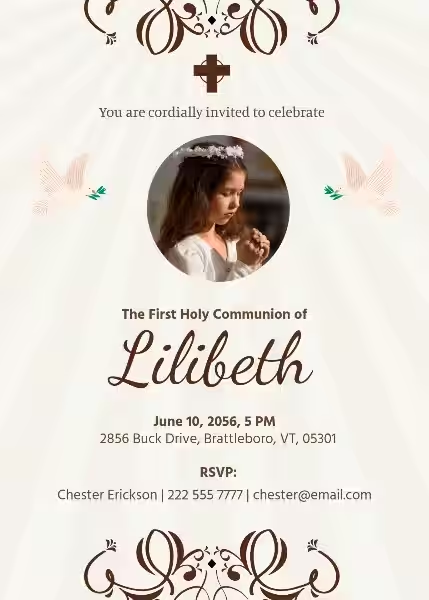
A church invite is an invitation to attend a service, event, or gathering at a church. It’s a way to welcome new people and share the message of faith.
What kind of events can churches invite people to?
Churches typically invite people to regular worship services (Sunday morning, evening, or mid-week), special holiday services (like Christmas or Easter), community outreach events, Bible studies, youth group meetings, concerts, and social gatherings.
How do I respond to a church invite?
You can respond by accepting or politely declining. If you accept, you can often RSVP through the contact information provided (phone number, email, website). If you’re unsure, you can ask for more details before committing.
Is there any obligation if I accept a church invite?
No, there is no obligation. Accepting an invitation means you are welcome to come and experience what the church has to offer. You are not expected to join, donate, or commit to anything afterward.
What should I expect if I attend a church service after receiving an invite?
You can generally expect a welcoming atmosphere, music, a sermon or message, and opportunities for prayer. Many churches have welcome teams to assist newcomers. Some may offer refreshments or a casual social time before or after the service.
What if I have questions about the church’s beliefs or practices?
Most churches are happy to answer questions. You can usually find information on their website, ask a greeter or welcome team member at the service, or contact the church office directly. You can also speak with the pastor or other church leaders.
Is it okay to go to a church service even if I’m not religious or am questioning my faith?
Absolutely. Churches are generally open to everyone, regardless of their religious background or beliefs. Many people attend church for various reasons, including curiosity, seeking community, or exploring spiritual questions.
What should I wear to a church service?
Dress codes vary by church. Many churches have a casual or “come as you are” approach. Others may have a more traditional dress code. It’s generally safe to err on the side of smart casual. If you’re unsure, check the church’s website or call their office.
Can I bring my children to a church service?
Yes, most churches are family-friendly and welcome children. Many offer children’s programs or Sunday school classes during the main service.
What if I’m invited to a church event that isn’t a regular service?
Church events can be diverse, from potlucks and concerts to volunteer activities and workshops. The invitation should provide details about the nature of the event, what to expect, and any specific requirements (like bringing a dish to share).