For centuries, the words of Psalm 23 have echoed in the hearts and minds of believers, offering solace, strength, and a profound sense of divine presence. Within the Catholic tradition, “The Lord is my shepherd” is more than just a beautiful poem; it’s a deeply personal declaration of faith, a prayer that resonates with the core tenets of our relationship with God. This psalm, universally recognized for its comforting imagery, serves as a spiritual anchor for Catholics navigating the joys and challenges of life, reminding us that we are never truly alone. It speaks to the shepherd’s unwavering care for his flock, a metaphor that beautifully illustrates God’s constant guidance, protection, and provision for us, His spiritual sheep.
This article will explore Psalm 23 through a distinctly Catholic lens, uncovering its layers of meaning and its practical application in our daily lives. From understanding the divine shepherd’s attributes to recognizing His presence in the “valley of the shadow of death,” we will delve into how this ancient text continues to be a source of hope and reassurance for Catholics today. We’ll look at specific verses, drawing connections to Catholic teachings on providence, sacraments, and the ultimate hope of eternal life, making “The Lord is my shepherd” a living, breathing testament to God’s enduring love.
Understanding the Divine Shepherd: God’s Love and Guidance
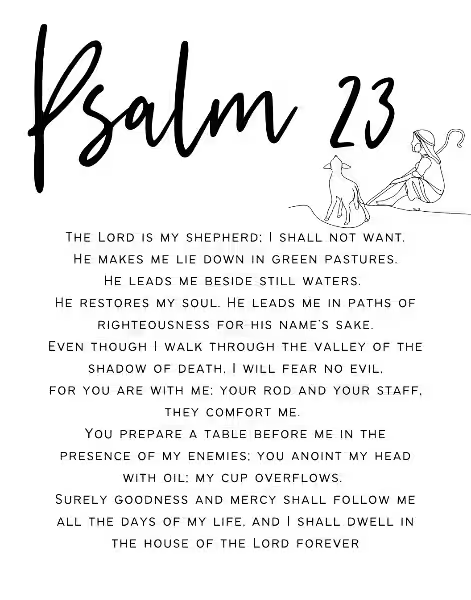
“The Lord is my shepherd; I shall not want.” This opening declaration is the cornerstone of Psalm 23, immediately establishing a profound truth for any Catholic: God’s absolute sufficiency. It’s a statement that transcends material possessions and speaks to a deeper, spiritual fulfillment. When we confess that “the Lord is my shepherd,” we are acknowledging that our ultimate needs – for love, peace, purpose, and salvation – are met in Him. This isn’t to say that Catholics believe in a life devoid of hardship or desire; rather, it’s an understanding that God’s love is the ultimate provision, filling the voids and sustaining us through every circumstance.
Consider a young child who trusts their parent implicitly. They don’t worry about where their next meal will come from or if they’ll have a safe place to sleep because they know their parent will provide. This is the essence of what it means to believe “The Lord is my shepherd”. He is our loving Father who diligently watches over us, anticipating our needs before we even voice them. This trust allows us to release anxieties about the future and focus on living faithfully in the present, knowing that His divine plan encompasses all aspects of our lives, from the mundane to the monumental. The Church teaches us about God’s divine providence, the ongoing care and sustenance He provides for all creation, and Psalm 23 is a powerful testament to this loving oversight.
“He makes me lie down in green pastures; he leads me beside still waters.” These verses paint a vivid picture of rest and solace that is central to the Catholic understanding of God’s care, as articulated in “The Lord is my shepherd”. In a world often characterized by constant activity and overwhelming demands, the image of being led to peaceful meadows and tranquil streams is incredibly appealing and deeply spiritual. For Catholics, these “green pastures” represent moments of spiritual nourishment and interior peace that are found in prayer, contemplation, and the sacraments of the Church. The “still waters” symbolize the calm and clarity that God offers, washing away the anxieties and distractions of daily life.
Think of the Eucharist, the Blessed Sacrament, where Catholics believe Christ Himself is truly present. Receiving Communion is a profound moment of communion and rest in His presence, a spiritual “green pasture” where we are fed with His very being. Similarly, the Sacrament of Reconciliation offers a cleansing and renewal, allowing us to lay down our burdens and find peace beside still waters. These are tangible ways the Church helps us experience the truth of “The Lord is my shepherd”, providing sacred spaces and opportunities to find respite and be replenished by His grace amidst the often-turbulent currents of life. This divine invitation to rest is a constant reminder of His gentle, guiding hand.
Navigating the Shadows: Trusting God Through Difficult Times
“Even though I walk through the valley of the shadow of death, I will fear no evil, for you are with me; your rod and your staff, they comfort me.” This powerful passage from Psalm 23, deeply embraced by Catholics, addresses the inevitable presence of suffering and hardship in our lives. The “valley of the shadow of death” is a metaphor for our most challenging moments – times of profound loss, illness, doubt, or spiritual dryness. Yet, the psalmist declares an unwavering trust in God’s presence, even in the face of utter darkness. This is the essence of “The Lord is my shepherd” in its most trying application: knowing that even when we feel most vulnerable, His protective presence surrounds us.
In Catholic teaching, we understand that suffering, while painful, can also be a path to deeper faith and spiritual growth. Jesus Himself experienced immense suffering on the cross, offering us a model of redemptive suffering. The “rod” and “staff” mentioned in the psalm are not symbols of punishment but rather of the shepherd’s authority and guidance. The rod could be used to defend the sheep from predators, while the staff, with its curved end, was used to gently guide them and pull them back from danger. For Catholics, this signifies God’s active protection and loving correction, His unwavering commitment to keep us safe on the spiritual path, even when that path leads through difficult terrain. This psalm offers profound comfort when facing the inevitable challenges of mortality and earthly trials.
The Shepherd’s Banquet: Abundance and Eternal Hope
“You prepare a table before me in the presence of my enemies; you anoint my head with oil; my cup overflows.” This triumphant conclusion to Psalm 23, so central to “The Lord is my shepherd” for Catholics, shifts from protection to divine blessing and ultimate victory. The image of a lavish banquet prepared in the midst of adversaries is a powerful symbol of God’s unfailing generosity and vindication. It speaks to the truth that even when surrounded by opposition or facing spiritual battles, God’s grace and favor are abundantly poured out upon us. The anointing with oil was a sign of honor, hospitality, and blessing in ancient times, and for Catholics, it foreshadows the sacraments of anointing and consecration.
For Catholics, this “table” ultimately points towards the heavenly banquet, the eternal union with Christ in the Kingdom of God. The overflowing cup represents the superabundance of God’s grace, a gift that far exceeds anything we could ever imagine or deserve. This is the ultimate hope that sustains us: the promise of eternal life and unending joy in God’s presence. The truth of “The Lord is my shepherd” culminates in this glorious vision, assuring us that our journey of faith, guided by His loving hand, will lead us to a place of unending peace and perfect fulfillment. This psalm, from its humble beginnings to its triumphant end, is a continuous reminder of God’s steadfast love and ultimate triumph.
Psalm 23 is a well-known and beloved psalm in the Bible, often referred to as “The Lord is My Shepherd.” It is a poetic expression of trust in God’s guidance, protection, and provision.
What is the religious significance of Psalm 23?
In Judaism and Christianity, Psalm 23 is considered a profound expression of faith in God’s benevolent care. It is often recited during times of comfort, mourning, and in moments of reflection on God’s faithfulness. For Christians, Jesus is often seen as the Shepherd described in the psalm, leading and caring for his flock.
Who wrote Psalm 23?
Psalm 23 is traditionally attributed to King David. It is believed to have been written during a period when he was facing significant challenges and relied heavily on his faith in God.
What are the main themes of Psalm 23?
The main themes include God’s shepherding, provision, guidance, protection, comfort, and eternal presence. It speaks of God’s constant care for His people, even in the darkest of times.
How is Psalm 23 used in religious services?
Psalm 23 is frequently read or recited in various religious contexts, including funeral services, weddings, baptism, and regular worship services. Its comforting and reassuring message makes it a popular choice for expressing faith and seeking solace.
What does it mean to say “The Lord is my shepherd”?
This phrase signifies a deep personal relationship with God, where the believer acknowledges God as their ultimate guide, protector, and provider. Just as a shepherd cares for his sheep, the psalm expresses that God cares for His followers, leading them to safety and sustenance.
How does this psalm relate to the concept of “religion”?
Psalm 23 is a cornerstone text for understanding common religious concepts of a divine being who is actively involved in the lives of humanity. It illustrates the human need for guidance, security, and reassurance, which are fundamental aspects often addressed by religious belief systems. It highlights themes of trust, faith, and the pursuit of a relationship with the sacred.