In the tapestry of human experience, threads of hope, struggle, and the search for meaning are woven with the practice of prayer. Whether whispered in moments of quiet contemplation or offered aloud in communal worship, the act of communicating with a higher power, or the universe itself, has been a constant companion to humanity across cultures and millennia. For many, to say prayers is not merely a ritualistic habit but a profound connection, a source of solace in times of distress, and a wellspring of strength when facing life’s inevitable challenges. Religion, in its myriad forms, often provides the framework and vocabulary for this sacred dialogue, offering comfort and guidance to countless individuals seeking a deeper understanding of themselves and their place in the cosmos.
This article aims to explore the multifaceted nature of prayer within the context of religion. We will delve into why people say prayers, the diverse ways in which this practice manifests, and the tangible and intangible benefits it can offer. From the personal comfort found in a simple plea to the collective strength derived from shared devotion, the act of prayer remains a vital and enduring aspect of the human spiritual journey.
The impulse to say prayers stems from a deep-seated human need for connection, understanding, and agency. When faced with the unknown, the overwhelming, or the deeply personal, individuals often turn to prayer as a way to articulate their feelings, hopes, and fears. It’s a declaration that we are not alone, that there is something larger than ourselves to whom we can entrust our burdens. This act of reaching out can be particularly potent during times of crisis, such as illness, loss, or significant life transitions. In these moments, the simple act of forming words and directing them outward can provide a sense of catharsis and a feeling of being heard, even if the response is not immediate or tangible in the way we might expect.
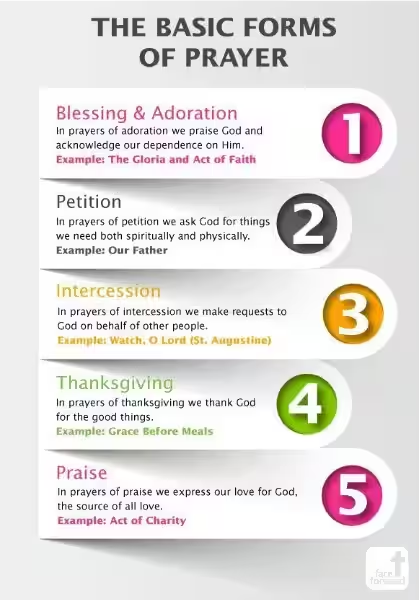
Beyond immediate need, prayer also serves as a mechanism for cultivating gratitude and reinforcing values. Many religious traditions encourage people to say prayers of thanksgiving for blessings, both big and small. This practice fosters a mindset of appreciation, shifting focus from what is lacking to what is abundant. Furthermore, prayer can be a powerful tool for self-reflection and moral development. By articulating intentions and seeking guidance, individuals can clarify their ethical compass and strengthen their resolve to live in accordance with their religious or spiritual principles. For instance, someone might say prayers for patience before a difficult conversation, or for courage before embarking on a challenging task, thereby actively engaging with their own character development.
The Spectrum of Prayer: From Personal Whispers to Communal Chants
The ways in which people say prayers are as diverse as humanity itself. At its most intimate, prayer can be a silent conversation between an individual and their deity, a private communion of thoughts and emotions. This could involve a moment of quiet reflection before sleep, a heartfelt plea during a solitary walk, or the recitation of traditional or spontaneously composed supplications. The beauty of personal prayer lies in its flexibility and adaptability; it can be tailored to any situation and express any sentiment. Whether it’s a whispered “thank you” for a beautiful sunset or a fervent plea for healing, these individual acts of devotion are foundational to many spiritual paths.
On a larger scale, many religions incorporate communal prayer, where groups of people gather to say prayers together. This shared experience amplifies the sense of connection and belonging. Think of the resonant hum of voices in a mosque during Salah, the unified singing of hymns in a church, or the chanting of mantras in a Buddhist temple. These collective rituals not only strengthen the bonds between worshippers but also create a powerful atmosphere of shared faith and purpose. The collective energy generated when many individuals say prayers in unison can be profoundly moving and empowering, fostering a sense of solidarity and mutual support that transcends individual struggles.
The Practical Benefits of Saying Prayers
While the spiritual and emotional benefits of prayer are often emphasized, research increasingly points to its tangible positive impacts on well-being. For instance, studies have explored the connection between regular prayer and reduced levels of stress and anxiety. When individuals say prayers, they often engage in mindfulness-like practices – focusing on their breath, their intentions, and their connection to something greater. This can activate the body’s relaxation response, lowering heart rate and blood pressure, and promoting a sense of calm. This is akin to a mental reset button, offering a temporary escape from the relentless pressures of daily life.
Moreover, the act of prayer can foster a sense of hope and optimism, which are crucial for resilience. When faced with adversity, believing that one’s prayers are being heard and that there is a divine plan or benevolent force at work can provide the mental fortitude to persevere. This isn’t about passively waiting for miracles, but rather about finding the inner strength to face challenges with a more positive outlook. For example, a person undergoing a difficult medical treatment might say prayers not just for recovery, but also for the strength to endure the process, finding comfort in the belief that they are supported through their ordeal.
Prayer as a Tool for Personal Growth and Ethical Living
Religion often guides individuals to say prayers that are not solely focused on personal gain, but also on cultivating virtues and contributing positively to the world. Many prayers include petitions for wisdom, compassion, and the ability to act justly. By regularly engaging in such prayers, individuals are constantly reminded of their ethical responsibilities and encouraged to align their actions with their spiritual values. This can lead to a more mindful and ethical way of living, where decisions are made with consideration for others and for the greater good.
Consider, for example, how many traditions encourage prayers for forgiveness, both for oneself and for others. This practice can be instrumental in healing broken relationships and releasing grudges that can weigh heavily on the spirit. When we say prayers for reconciliation, we are actively working towards inner peace and fostering a more harmonious environment around us. The commitment to live a life guided by these principles, often reinforced through prayer, creates a ripple effect, influencing not only the individual but also their community. It’s a continuous process of striving to be better, guided by faith and expressed through the transformative act of prayer.
Conclusion: The Enduring Relevance of Prayer in a Modern World
In a world that often prioritizes the tangible and the quantifiable, the practice of prayer might seem anachronistic to some. Yet, its enduring presence across cultures and its continued relevance for millions speak volumes about its profound importance. To say prayers is to engage in a fundamental human act of connection, seeking meaning, comfort, and strength in the face of life’s complexities. Religion provides a rich tapestry of traditions and rituals that support and guide this practice, offering frameworks for expressing devotion, seeking solace, and cultivating personal growth.
Whether you are a devout adherent of a particular faith, seeking spiritual connection, or simply exploring ways to find inner peace and resilience, the act of prayer offers a universally accessible pathway. The simple yet profound act to say prayers can be a powerful tool for navigating the challenges of life, fostering gratitude, and living a more meaningful and ethically grounded existence. It is a testament to the enduring human spirit’s capacity to reach beyond ourselves, seeking and finding solace and strength in the quiet communion of prayer.
Frequently Asked Questions About Prayer and Religion
What is prayer?
Prayer is a form of communication with a divine being or spiritual entity. It can involve speaking words, reciting established texts, meditating, or simply holding a sincere intention or thought. Prayer is often used for expressing gratitude, seeking guidance, confessing wrongdoing, or making requests.
Why do people pray?
People pray for a variety of reasons, including seeking comfort, strength, or solace during difficult times. Many pray to express their love and devotion to their faith, to ask for help with personal challenges, or to offer thanks for blessings received. Prayer can also be a way to connect with a sense of purpose or meaning in life and to foster a sense of community with others who share similar beliefs.
Are there different ways to pray?
Yes, the methods of prayer vary widely across different religions and spiritual traditions. Some common forms include vocal prayer (speaking aloud), contemplative prayer (quiet meditation or reflection), intercessory prayer (praying for others), and liturgical prayer (praying as part of a formal service). The specific practices and postures can differ significantly.
Does prayer have to be in a specific religion?
While many religions have established prayer practices, the act of prayer itself is not exclusive to any single religion. Many individuals find spiritual connection and meaning through prayer regardless of their formal religious affiliation, or even in the absence of one. The intention and sincerity behind the prayer are often considered more important than adherence to a specific religious doctrine.
What is the role of prayer in religion?
Prayer is a central practice in most religions, serving as a fundamental means of connecting with the divine, expressing faith, and living according to religious principles. It can reinforce religious identity, provide moral guidance, and strengthen the believer’s relationship with God or the sacred. Prayer is often intertwined with rituals, worship services, and personal spiritual development.