The gentle rustle of leaves, the sweet scent of blooming flowers, and the quiet hum of nature – these are the sensory experiences that draw us to our gardens. For many, the garden is more than just a place to cultivate plants; it’s a sanctuary, a place for reflection, and a space where faith can take root and flourish. Within this serene environment, a seemingly simple object, the garden cross, often finds its place, transforming from mere decoration into a profound symbol of devotion, hope, and spiritual connection. This article will explore the multifaceted meaning and enduring appeal of the garden cross, delving into its religious significance, its ability to foster personal reflection, and how it enhances the beauty and tranquility of our outdoor havens.
The presence of a garden cross can serve as a constant, gentle reminder of our spiritual journey. It stands as a testament to enduring faith, a quiet beacon amidst the vibrant life of the garden. It’s not about overt pronouncements, but rather about a subtle infusion of sacredness into the everyday, reminding us of the deeper currents that flow through our lives, much like the unseen roots that nourish the lush growth around us.
More Than Just Ornament: The Sacred Meaning of the Garden Cross
At its core, the garden cross is a powerful religious symbol. Its ubiquitous presence in Christian tradition, representing the crucifixion of Jesus Christ, imbues it with immense significance. In the quiet solitude of a garden, this symbol takes on an even more personal and intimate dimension. It speaks of sacrifice, redemption, and the promise of eternal life, themes that resonate deeply with spiritual seekers.
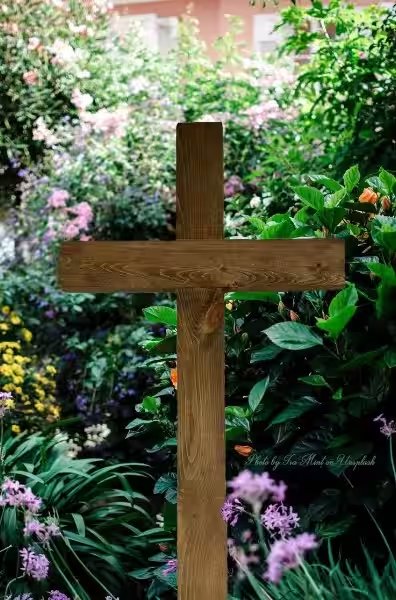
The garden cross is a visual representation of the bedrock of Christian faith. It’s a reminder of the ultimate act of love and the central tenet of salvation. Whether crafted from weathered wood, gleaming metal, or sculpted stone, its form evokes a profound narrative of struggle, suffering, and ultimate triumph. This symbolism can offer comfort during difficult times, acting as a tangible anchor to faith when life’s storms rage. Imagine a small, weathered wooden cross nestled amongst a bed of fragrant lavender; it whispers tales of ancient devotion and enduring hope, adding a layer of spiritual depth to the simple beauty of the flowers.
A Touchstone for Personal Prayer and Reflection
Beyond its overarching religious meaning, the garden cross serves as a personal touchstone for prayer and reflection. It’s a quiet invitation to pause, breathe, and connect with something larger than ourselves. In the peaceful embrace of the garden, away from the distractions of daily life, the cross becomes a focal point for contemplation, allowing for a deeper communion with the divine.
Consider the act of tending to your garden. As you weed, water, and prune, your garden cross might catch your eye. This visual cue can serve as a prompt to offer a silent prayer of gratitude for the beauty you are creating and the life you are nurturing. It can be a reminder to approach your tasks with a spirit of devotion, transforming mundane chores into acts of worship. For instance, as you plant new seeds, you might reflect on the seed of faith planted within you, praying for its growth and flourishing under the nurturing care of God, just as you care for your plants.
The garden, with its inherent cycles of growth, decay, and renewal, provides a perfect metaphor for the spiritual life. The garden cross, placed amidst this living tapestry, amplifies these connections. It encourages us to see our spiritual journey as a process of continuous growth and transformation, much like the plants we cultivate.
The act of gardening itself can be a form of spiritual practice. The patience required, the dedication to nurturing life, and the appreciation for the natural world all mirror important aspects of faith. A garden cross placed near a particularly vibrant bloom or a healthy sapling can serve as a visual reminder of the fruits of perseverance and the blessings that come from diligent care, both in the garden and in our spiritual lives. Think of a robust rose bush, its thorns a reminder of challenges overcome, its exquisite bloom a testament to enduring beauty – this mirrors the spiritual growth that often emerges from adversity.
Choosing and Placing Your Garden Cross: Intentional Beauty
The selection and placement of a garden cross in your outdoor space is an act of intentionality, a way to infuse your garden with personal meaning. Whether opting for a minimalist design or an ornate piece, the goal is to find a cross that resonates with your spirit and complements the aesthetic of your garden. Consider the materials: rustic wood for a natural feel, elegant wrought iron for a timeless look, or smooth stone for a sense of groundedness.
When deciding where to place your garden cross, think about its purpose. Do you want it to be a prominent centerpiece, drawing the eye and sparking reflection? Or perhaps a more subtle accent, discovered as one wanders through winding paths? Placing it near a favorite seating area, by a bird bath, or at the entrance to a special garden nook can create moments of unexpected spiritual encounter. For example, positioning a small, simple cross at the end of a secluded path can make finding it feel like a special discovery, a private moment of connection.
Materials and Styles: A Reflection of Your Faith Journey
The variety of materials and styles available for garden crosses allows for a deeply personal choice. Each material carries its own connotations and aesthetic appeal. For instance, a cross made of natural, unvarnished wood might evoke a sense of simplicity and connection to the earth, mirroring a desire for grounded faith. Conversely, a gleaming brass or copper cross might symbolize enduring brilliance and the radiant nature of divine love.
Consider a stone garden cross for its timeless quality and sense of permanence, suggesting a faith that is steadfast and unyielding. Or perhaps a metal cross, intricately designed with Celtic knots or floral motifs, to represent the interconnectedness of faith and nature. The choice of style can also reflect different expressions of faith. A simple, unadorned cross might speak to a minimalist approach to spirituality, while a more decorative piece could reflect a joy and exuberance in faith.
Harmony with Nature: Integrating the Cross Seamlessly
The true beauty of a garden cross lies in its ability to harmonize with its natural surroundings. It should enhance, rather than detract from, the organic beauty of the garden. Careful placement and consideration of scale are key. A massive cross might overwhelm a delicate flower bed, while a tiny one might be lost amongst towering shrubs. The aim is to create a sense of integration, where the cross feels like a natural, albeit sacred, element of the landscape.
Imagine a garden cross partially embraced by creeping ivy, its weathered surface softened by moss. This integration signifies a faith that is alive and growing, deeply rooted in the earth and intertwined with the rhythms of life. Alternatively, a cross standing tall and proud against a backdrop of vibrant blooms can represent a bold declaration of faith, a beacon of hope shining brightly. The surrounding flora can also be chosen to complement the cross, with plants that symbolize peace, hope, or redemption, such as lilies, forget-me-nots, or olive branches.
The Garden Cross as a Symbol of Hope and Renewal
In the ever-changing landscape of a garden, where seasons bring forth new life and then lead to periods of dormancy, the garden cross stands as a steadfast symbol of hope and renewal. It reminds us that even after the harshest winters, spring will inevitably return, bringing with it the promise of rebirth and fresh beginnings. This cyclical nature of the garden mirrors the spiritual journey, where challenges and periods of quiet reflection are often followed by spiritual growth and renewed faith.
The enduring presence of the garden cross offers a sense of continuity and stability. In a world that often feels chaotic and unpredictable, it provides a quiet anchor, a reminder of the unchanging truths of faith. It’s a testament to resilience, much like a perennial flower that blooms year after year, weathering storms and finding strength in its roots. This symbolism can be particularly comforting during times of personal loss or uncertainty, offering a promise of eventual healing and a brighter future.
Embracing the Cycles of Life and Faith
The garden is a masterclass in cycles – the cycle of planting and harvesting, of growth and decay, of sunlight and rain. The garden cross offers a spiritual lens through which to view these natural processes. It encourages us to see the spiritual parallels, recognizing that periods of quiet or even apparent barrenness in our faith are often followed by seasons of vibrant growth and spiritual renewal.
Think of a barren winter garden. It appears lifeless, yet beneath the surface, life is stirring, gathering strength for the spring. Similarly, a garden cross can serve as a reminder that even during difficult or seemingly stagnant periods in our spiritual lives, God is at work, preparing us for future blessings. This perspective fosters patience and trust, allowing us to embrace the entirety of our spiritual journey, not just the moments of outward flourishing.
Ultimately, the garden cross serves as a profound reminder of the eternal promise of faith. It points beyond the transient beauty of the garden and the fleeting seasons of life to a hope that is everlasting. It’s a symbol of resurrection, of a love that conquers all, and of a life that transcends earthly limitations.
Whether you are a seasoned gardener or just beginning to cultivate your green space, the garden cross offers a unique opportunity to deepen your connection to your faith. It transforms your garden into a sacred space, a place where the beauty of nature and the power of spiritual devotion intertwine, creating a sanctuary for the soul. Let it be a quiet, constant source of comfort, inspiration, and unwavering hope.
Frequently Asked Questions about the Garden Cross
What is a Garden Cross?
A garden cross is a decorative cross specifically designed for outdoor use, often placed in gardens, yards, or memorial sites. They are typically made from durable materials like metal, stone, wood, or resin to withstand weather conditions.
What is the religious significance of a Garden Cross?
The cross is a central symbol in Christianity, representing the crucifixion of Jesus Christ and his resurrection. A garden cross serves as a tangible reminder of Christian faith, love, sacrifice, and hope, often placed in a peaceful outdoor setting as a focal point for prayer, reflection, or remembrance.
Can a Garden Cross be used for religious services?
While not typically used for formal religious services, a garden cross can be a meaningful addition to informal outdoor gatherings for prayer, meditation, or commemoration. Its presence can enhance the spiritual atmosphere of a private or community garden space.
Are there different types of Garden Crosses?
Yes, garden crosses come in various styles, sizes, and materials. They can range from simple, minimalist designs to ornate, detailed pieces, and can be made from weathered bronze, cast iron, concrete, cedar wood, or resin. Some may also feature inscriptions or specific Christian imagery.
Where is the best place to put a Garden Cross?
The placement of a garden cross is a personal choice. Many people choose to place them in a prominent spot in their garden, near a favorite bench, by a flower bed, or at the entrance of their property. It can also be placed in a memorial garden in remembrance of a loved one.
Is a Garden Cross only for Christians?
While the cross is a distinctly Christian symbol, garden crosses are often appreciated for their aesthetic beauty and as markers of peace and reflection in any garden setting, regardless of the owner’s religious affiliation. Their meaning can be personal and spiritual for individuals from various backgrounds.