For centuries, the concept of a sacred passage, a portal to something divine, has resonated deeply within the human spirit. These aren’t just architectural marvels; they are conduits of faith, places where the veil between the earthly and the eternal feels thinner. The idea of a Holy Door has captivated believers across different traditions, symbolizing repentance, reconciliation, and the promise of divine grace. Understanding the locations of these sacred portals offers a unique lens through which to explore the rich tapestry of religious devotion and the yearning for spiritual transformation.
Imagine standing before an ancient stone archway, worn smooth by the touch of countless pilgrims. This isn’t merely a doorway; it’s a threshold of profound meaning, a physical manifestation of a spiritual journey. The concept of Holy Door locations speaks to a universal human desire to connect with the divine, to seek forgiveness, and to experience a renewed sense of purpose. Whether you are deeply religious or simply curious about the enduring power of faith, exploring these sacred sites can offer a deeply enriching perspective.
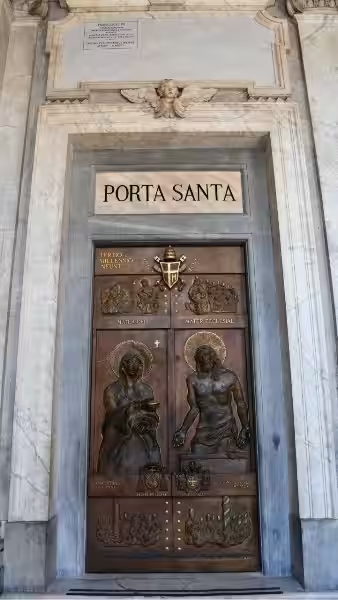
At its core, a Holy Door, often referred to as a Holy Door of Mercy or Porta Sancta, is a specially designated doorway within a church or sacred site that is opened only during specific times of spiritual significance, most notably during Jubilees. The act of passing through a Holy Door is imbued with symbolic weight, representing a journey of spiritual renewal and a commitment to a life of greater faith. It is believed to be a tangible manifestation of God’s mercy, offering a path to forgiveness of sins and the remission of temporal punishment.
The tradition of Holy Doors is most famously associated with the Catholic Church, particularly in Rome. However, the concept of sacred gateways is not entirely exclusive to one denomination. Throughout history and across various faiths, similar ideas of sacred entrances and passages that facilitate spiritual connection have emerged. These can range from specific temple entrances to natural landmarks revered for their spiritual power. The common thread is the notion of a liminal space, a place where one leaves the ordinary behind and steps into the extraordinary.
The Iconic Holy Doors of Rome: A Pilgrim’s Dream
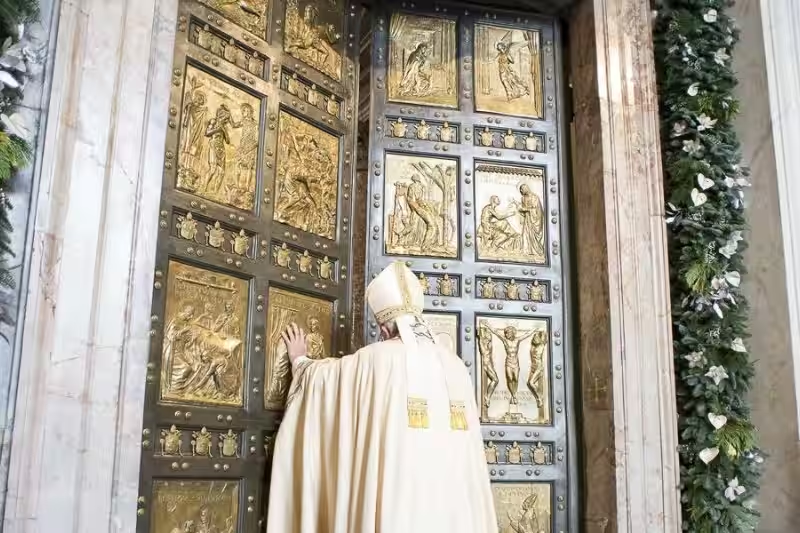
When discussing Holy Door locations, the Vatican City immediately springs to mind. The most renowned of these is the Holy Door of St. Peter’s Basilica in Rome. This magnificent bronze door, sealed for ordinary times, is dramatically opened by the Pope at the beginning of a Jubilee Year. Pilgrims flock from around the globe, eager to pass through this hallowed portal, an act seen as a profound spiritual cleansing and a crucial step in their pilgrimage. The symbolism of St. Peter’s Holy Door is immense, representing Christ’s invitation to enter the embrace of the Church and experience divine grace.
Beyond St. Peter’s, Rome boasts four major basilicas, each with its own Holy Door. These include the Holy Door of St. John Lateran, the Holy Door of St. Paul Outside the Walls, and the Holy Door of St. Mary Major. Each of these Holy Door locations in Rome offers a unique spiritual experience. The opening of these doors signifies a universal call to repentance and a time of extraordinary divine favor. For many, the journey to Rome and the act of passing through one or more of these sacred thresholds is the culmination of a life’s spiritual pursuit.
Beyond Rome: Global Holy Door Locations and Their Significance
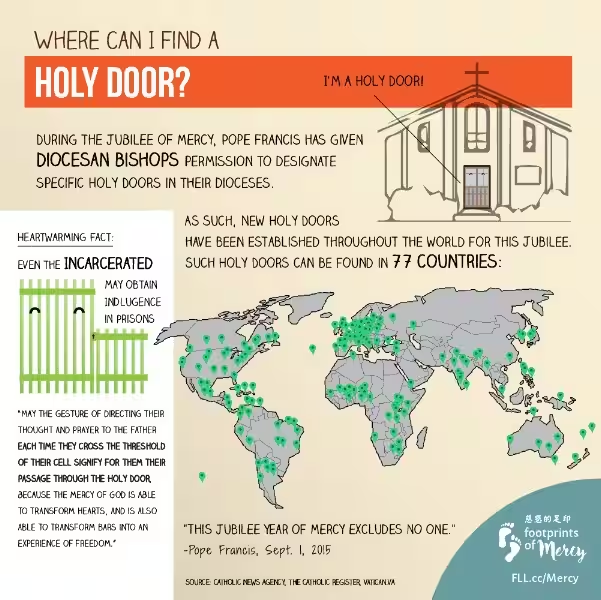
While Rome holds a central place in the tradition of Holy Doors, the concept extends far beyond the Eternal City. Many cathedrals and significant churches around the world have been granted the privilege of having their own Holy Doors, often designated by the Pope for specific Jubilee celebrations or other special occasions. This decentralization allows more believers to participate in the profound spiritual experience of passing through a sacred portal without the necessity of a journey to Rome. These global Holy Door locations democratize access to this powerful symbol of faith and forgiveness.
For example, during the Extraordinary Jubilee of Mercy (2015-2016), an unprecedented number of Holy Door locations were established worldwide. Bishops in dioceses across continents were authorized to designate local Holy Doors within their own cathedrals and shrines. This initiative brought the spiritual benefits of the Jubilee directly to communities everywhere, allowing individuals to experience the grace of the Holy Door close to home. This expansion highlights the universal nature of God’s mercy and the Church’s commitment to making spiritual opportunities accessible to all its members, regardless of their geographical location. Identifying these local Holy Door locations became a significant undertaking for many parishes and dioceses.
The Spiritual and Psychological Impact of Passing Through a Holy Door
The act of passing through a Holy Door is not merely a ritualistic gesture; it carries profound psychological and spiritual weight. For many, it represents a conscious decision to turn away from sin and embrace a renewed commitment to their faith. The physical transition through the doorway mirrors an internal shift, a shedding of the old and an embrace of the new. This symbolic act of crossing a threshold can be incredibly powerful, offering a sense of closure and new beginnings.
The communal aspect of this pilgrimage also plays a vital role. Sharing this experience with thousands of fellow pilgrims, all united by a common purpose, can foster a deep sense of belonging and shared faith. The palpable atmosphere of devotion, prayer, and reflection surrounding the Holy Door locations amplifies the individual experience. It’s a reminder that one is part of a larger spiritual family, on a shared journey towards divine connection. This shared journey can be incredibly strengthening for one’s faith, offering solace and encouragement.
Examples of Spiritual Renewal Through Holy Door Pilgrimages
Consider the story of Maria, a woman who had been struggling with feelings of guilt and regret for many years. She had heard about the Holy Doors in Rome and decided to embark on a pilgrimage during a Jubilee Year. Standing before the Holy Door of St. John Lateran, she felt an overwhelming sense of awe and humility. As she stepped through the door, she described it as feeling like a weight was lifted from her shoulders. While she acknowledged that her struggles wouldn’t disappear overnight, the act of passing through that sacred threshold provided her with a profound sense of peace and the renewed strength to continue her journey of healing and reconciliation.
Another example can be seen in the experiences of families who undertake a pilgrimage together to a local Holy Door location. For parents, it’s an opportunity to teach their children about the importance of faith, forgiveness, and the enduring power of God’s love. The shared experience of walking through the sacred portal, holding hands and praying together, can create lasting memories and strengthen familial bonds, all while deepening their collective spiritual understanding. These personal narratives underscore the transformative potential inherent in the tradition of Holy Door locations.
Navigating Your Own Spiritual Journey: Finding Holy Door Locations
For those inspired to experience the spiritual significance of a Holy Door, the journey begins with awareness and intention. While the most famous Holy Door locations are in Rome, it’s important to remember that Jubilee Years are often declared by the Pope, and during these times, special Holy Doors are appointed in dioceses around the world. Keeping informed about upcoming Jubilees and pronouncements from religious authorities is key to discovering these opportunities.
The best way to find accessible Holy Door locations is to consult with your local parish or diocese. They will have information on any designated Holy Doors within your region, especially during Jubilee celebrations. Websites of major religious institutions, such as the Vatican or national bishops’ conferences, also often provide updated lists and information. Planning ahead and understanding the specific dates and protocols associated with each Holy Door location will enhance the spiritual richness of your experience. Remember, the journey itself, with its intentions and prayers, is as significant as the physical act of passing through the portal.
The Enduring Legacy of Holy Doors
The tradition of Holy Door locations is a testament to humanity’s enduring quest for meaning, forgiveness, and divine connection. These sacred portals, whether in the grand basilicas of Rome or in local cathedrals, serve as powerful symbols of hope and renewal. They invite us to pause, reflect, and embark on a journey of spiritual transformation. The significance of Holy Doors lies not just in their physical presence, but in the profound impact they have on the hearts and souls of those who approach them with faith and an open spirit.
As we continue to navigate the complexities of modern life, the timeless message offered by the Holy Door tradition remains remarkably relevant. It reminds us of the availability of divine mercy, the importance of personal reflection, and the power of collective faith. Whether you have the opportunity to walk through a designated Holy Door or simply contemplate its meaning, may it inspire you on your own unique spiritual path. The search for Holy Door locations is, in essence, a search for a deeper connection to the sacred, a journey that holds the promise of profound personal growth.
Frequently Asked Questions About Holy Door Locations
What is a Holy Door?
A Holy Door is a special door in a Catholic church that is opened only during a Jubilee Year. It is considered a symbolic gateway to God’s grace and mercy.
Where are Holy Doors located?
Holy Doors are most famously found in the four major papal basilicas in Rome: St. Peter’s Basilica, Archbasilica of Saint John Lateran, Basilica of Saint Mary Major, and Basilica of Saint Paul Outside the Walls. Other cathedrals and churches around the world may also be designated as having a Holy Door by the Pope for a specific Jubilee.
Are Holy Doors always open?
No, Holy Doors are typically sealed shut and are only opened ceremonially at the beginning of a Jubilee Year and closed at its conclusion.
What is the significance of passing through a Holy Door?
Passing through a Holy Door during a Jubilee Year is an act of pilgrimage and a spiritual journey. It symbolizes passing through a portal of God’s mercy and is often associated with receiving a plenary indulgence, which can remit temporal punishment for sins.
How do I find out if there is a Holy Door near me?
Information about Holy Doors for a specific Jubilee Year is usually announced by the Vatican and disseminated through diocesan websites, Catholic news outlets, and parish bulletins. You can also inquire at your local Catholic diocese or a major cathedral.
Is every church a Holy Door location?
No, only specific churches, most notably the major papal basilicas in Rome and other churches designated by the Pope for a Jubilee, have Holy Doors.