In an era defined by constant connectivity and an ever-expanding digital landscape, the role of Catholic media has never been more crucial. Far from being a relic of the past, the Church’s engagement with various media platforms – from traditional print and broadcast to the dynamic world of social media and streaming – is a vibrant and evolving testament to its commitment to sharing the Gospel. This multifaceted approach allows the Catholic faith to reach new generations, foster deeper understanding, and provide essential spiritual nourishment to a global community.
For centuries, the dissemination of Catholic teachings relied on oral traditions, handwritten manuscripts, and later, the printed word. The printing press revolutionized the spread of religious ideas, making Bibles, catechisms, and theological works accessible to a wider audience. Today, this legacy continues, amplified and transformed by the digital revolution, where Catholic media serves as a vital conduit for faith, education, and connection. Understanding its scope and impact is key to appreciating how the Church navigates the complexities of the modern world.
The term “Catholic media” encompasses a broad spectrum of platforms and content created and curated by individuals, organizations, and institutions within the Catholic Church. This includes everything from official Vatican news outlets and diocesan publications to independent Catholic podcasts, YouTube channels, and social media influencers. The goal, fundamentally, is to communicate the truths of the Catholic faith in ways that are relevant, engaging, and accessible to people of all backgrounds and ages.
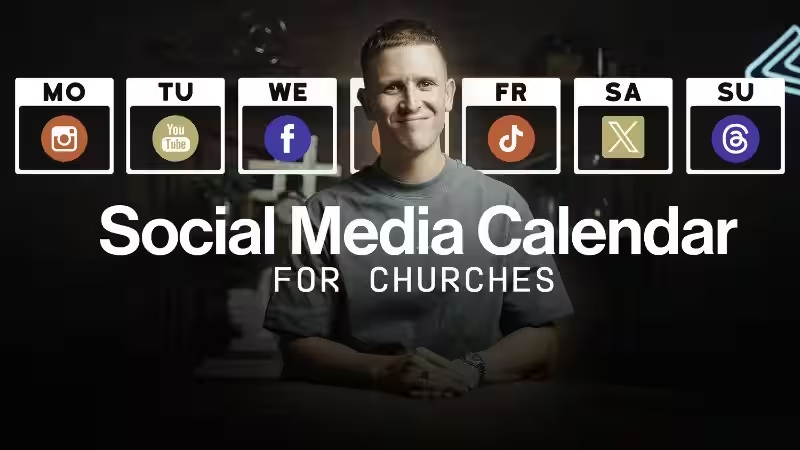
The sheer diversity of content within Catholic media is astonishing. You’ll find in-depth theological discussions, inspiring testimonies of faith, practical advice for living a Christian life, news from around the global Church, and even entertainment options infused with Catholic values. For instance, a young Catholic might discover their faith through a relatable TikTok video explaining a complex doctrine, while an older individual might find solace and connection through a daily devotional podcast. This adaptability ensures that the message of Christ can be heard and understood across different demographics and preferences.
Reaching Hearts and Minds: The Power of Storytelling
At its core, Catholic media is about storytelling. It’s about sharing the narratives of scripture, the lives of saints, the transformative power of sacraments, and the personal journeys of faith of individuals. These stories, when told effectively, have the profound ability to connect with people on an emotional and intellectual level, sparking curiosity and inviting deeper reflection. The relatability of these narratives is paramount; they offer a mirror to our own lives and struggles.
Consider the impact of a well-produced documentary exploring the history of a particular Catholic tradition or the challenges faced by Christians in a certain region. Such content doesn’t just inform; it inspires empathy and fosters a greater appreciation for the global Church. Similarly, personal testimonies shared on blogs or social media, detailing how faith has guided someone through difficult times like job loss or illness, can offer hope and encouragement to others facing similar situations. This human element, this shared experience, is a powerful tool in the arsenal of Catholic media.
Faith Formation and Education Through Digital Channels
One of the most significant contributions of modern Catholic media is its role in faith formation and education. In an age where individuals can access information on virtually any topic at their fingertips, the Church has a responsibility to provide reliable and authentic resources for learning about Catholic doctrine, history, and practice. This is where digital platforms become indispensable tools for both formal and informal learning.
Online courses, webinars, and digital study guides offer structured opportunities for Catholics to deepen their understanding of their faith. Many parishes and dioceses now provide online resources for catechism classes, bible studies, and sacramental preparation, making these programs accessible even to those with busy schedules or geographical limitations. This democratization of learning empowers individuals to take ownership of their spiritual growth, offering a personalized path to knowledge and understanding. Moreover, these platforms can host Q&A sessions with theologians or priests, allowing for direct engagement and clarification of doubts.
Demystifying Complex Doctrines and Practices
The Catholic faith, with its rich theological depth and historical traditions, can sometimes appear complex or even intimidating to newcomers or those who have drifted away. Catholic media plays a vital role in demystifying these elements, breaking them down into understandable and relatable terms. Simple, clear explanations of concepts like the Trinity, the Eucharist, or the role of Mary are crucial for fostering comprehension and fostering a sense of belonging.
For example, a short animated video explaining the concept of grace, using an analogy of a parent’s unconditional love for a child, can be far more effective than a lengthy theological treatise for some individuals. Likewise, podcasts that explore the lives of saints often highlight their human struggles and triumphs, making them feel more accessible and inspiring. This approach is not about diluting the richness of Catholic teaching, but about translating its profound truths into a language that resonates with the modern listener, encouraging them to explore further and ask questions.
Building Community and Fostering Connection
Beyond education, Catholic media serves as a powerful engine for building community and fostering a sense of belonging within the Church. In an increasingly fragmented world, digital platforms can bridge geographical divides and connect Catholics who might otherwise feel isolated. Online forums, social media groups, and live-streamed events create virtual spaces where individuals can share their faith, offer support, and engage in meaningful dialogue.
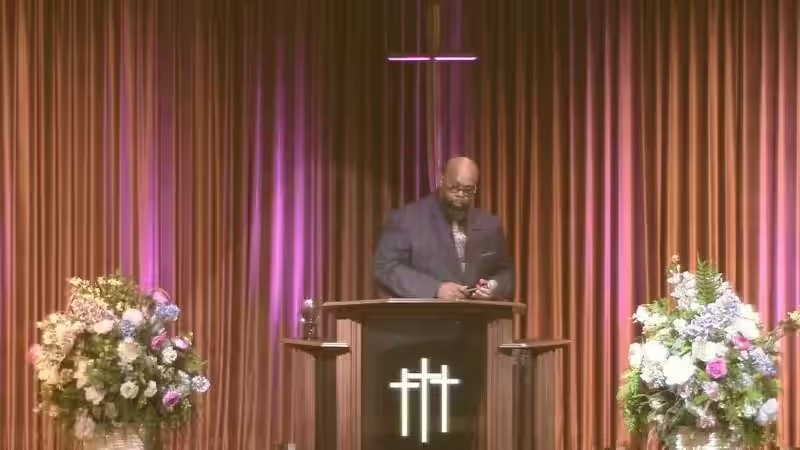
Think of a young Catholic living in a rural area with limited opportunities for peer interaction. Through online faith communities, they can connect with other young people who share their values and can offer encouragement and fellowship. Similarly, individuals who are homebound or unable to attend Mass regularly can find spiritual connection through live-streamed Masses and online prayer groups. This sense of shared identity and common purpose is a cornerstone of the Catholic experience, and Catholic media amplifies this by creating new avenues for connection and mutual support.
From Virtual Gatherings to Real-World Impact
The connections forged through Catholic media often extend beyond the digital realm, inspiring real-world action and engagement. Online discussions might lead to the formation of local prayer groups, volunteer initiatives, or even small faith-sharing circles. The shared passion for the faith, ignited and nurtured online, can translate into tangible acts of charity and evangelization within communities.
Furthermore, many Catholic organizations leverage their online presence to raise awareness and solicit support for important causes, from humanitarian aid to the defense of religious freedom. Campaigns launched through social media can mobilize thousands of people to sign petitions, donate to relief efforts, or advocate for justice. This demonstrates how Catholic media is not merely a passive recipient of information, but an active force for positive change in the world, reflecting the Church’s ongoing mission to serve humanity.
Navigating the Digital Sphere with Discernment
While the opportunities presented by Catholic media are immense, it’s also crucial to approach it with healthy discernment. The digital world, while offering a wealth of information and connection, can also be a source of misinformation and division. Catholics are called to critically evaluate the content they consume and to seek out reputable and trustworthy sources.
This involves understanding the mission and affiliations of various Catholic media outlets, recognizing that not all content labeled “Catholic” necessarily aligns with Church teaching. Developing media literacy skills, such as cross-referencing information and being wary of sensationalized or biased reporting, is essential. The Church itself, through its various bodies, often provides guidance on how to navigate the digital landscape responsibly, encouraging Catholics to be discerning consumers and ethical communicators.
Upholding Truth and Charity in Online Discourse
The principles of truth and charity, central to Catholic teaching, are equally important in the online sphere. When engaging in discussions or sharing content, Catholics are encouraged to do so with respect, humility, and a genuine desire to build up rather than tear down. The anonymous nature of some online platforms can sometimes lead to harsh words and personal attacks, which are contrary to the spirit of Christian fellowship.
Catholic media, in its best form, models this approach by fostering respectful dialogue, even on challenging topics. It encourages Catholics to be ambassadors of Christ online, reflecting His love and compassion in their interactions. This commitment to upholding truth with charity is a vital aspect of the Church’s presence in the digital age, ensuring that its voice contributes positively to the global conversation.
The Future of Catholic Media
As technology continues to evolve at a rapid pace, so too will the landscape of Catholic media. We can anticipate further innovation in areas like virtual reality experiences that allow users to virtually visit sacred sites, augmented reality applications that enhance understanding of scripture, and artificial intelligence tools that personalize faith formation resources. The Church’s commitment to meeting people where they are will undoubtedly drive its continued exploration of new media frontiers.
The core mission, however, will remain the same: to share the enduring message of the Gospel in ways that are compelling, accessible, and transformative. By embracing new technologies and adapting its communication strategies, Catholic media will continue to play a vital role in fostering faith, building community, and guiding individuals towards a deeper relationship with God in the 21st century and beyond. It is a testament to the Church’s enduring vitality and its commitment to fulfilling the Great Commission in every era.
Frequently Asked Questions about Catholic Media and Religion
What is Catholic media?
Catholic media refers to the various platforms and forms of communication used by the Catholic Church and Catholic organizations to disseminate information, teachings, and promote faith. This includes traditional media like newspapers, magazines, radio, and television, as well as newer digital forms such as websites, social media, podcasts, and video streaming services.
What is the purpose of Catholic media?
The primary purpose of Catholic media is to evangelize, educate, and inspire Catholics and others about the teachings and values of the Catholic faith. It aims to foster a deeper understanding of Catholic doctrine, share stories of faith and witness, provide spiritual resources, and engage in dialogue about religious and social issues from a Catholic perspective.
What are some examples of Catholic media outlets?
Examples of Catholic media outlets are diverse and include organizations like EWTN (Eternal Word Television Network), Catholic News Agency (CNA), Vatican News, Catholic Herald, America Magazine, and numerous diocesan and parish publications. Many Catholic dioceses and religious orders also maintain their own multimedia platforms.
How does Catholic media relate to the teachings of the Catholic Church?
Catholic media is generally committed to upholding and promoting the official teachings of the Catholic Church as articulated in the Catechism of the Catholic Church and by the Magisterium (the teaching authority of the Church). It serves as a tool for explaining, defending, and applying these teachings to contemporary life.
Can non-Catholics benefit from Catholic media?
Yes, non-Catholics can benefit from Catholic media by gaining insight into Catholic beliefs, practices, and perspectives on various issues. It can offer a window into the spiritual life and cultural expressions of Catholics, and may provide informative content on ethics, philosophy, and social justice from a faith-based viewpoint.
How can I find reliable Catholic media sources?
Reliable Catholic media sources are typically those that are officially recognized by dioceses, religious orders, or the Vatican. Looking for endorsements or affiliations with reputable Catholic organizations can be a good indicator. Websites that clearly state their mission and adherence to Catholic teachings are also a good starting point.
What is the role of religion in Catholic media?
Religion is the core of Catholic media. It informs all aspects of its content, from news reporting and theological discussions to documentaries and artistic expressions. The aim is to communicate the Catholic faith in a way that is accessible, engaging, and relevant to contemporary audiences.
How does Catholic media address current events and social issues?
Catholic media addresses current events and social issues through the lens of Catholic social teaching and moral theology. It seeks to provide commentary and analysis that reflects Catholic values on topics such as life issues, poverty, human rights, environmental stewardship, and peace.