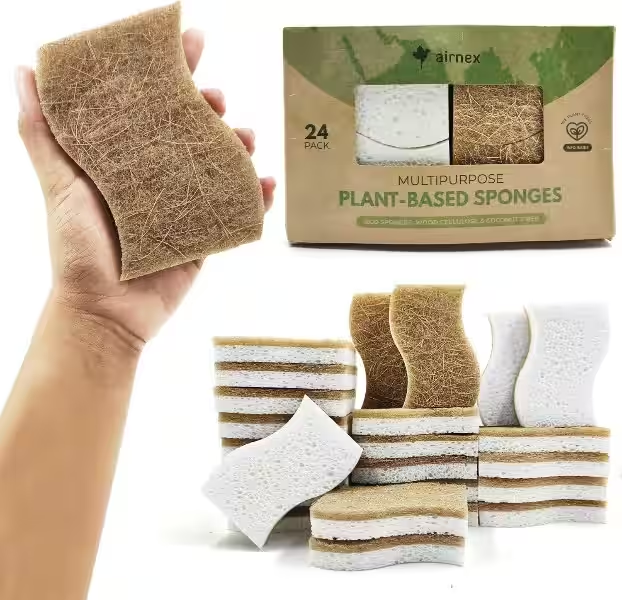
For centuries, the act of cleaning has been imbued with more than just the removal of dirt. It has often been a ritual, a way to restore order, to prepare for sacred spaces, and to symbolize a fresh start. Think about the simple sponge – a tool we often take for granted. It’s the unsung hero of our kitchens and bathrooms, diligently scrubbing away the remnants of our daily lives. But what if this ubiquitous cleaning companion could also reflect a deeper commitment to our planet, a promise whispered through its very composition? This is where the concept of biodegradable sponges enters the conversation, transforming a mundane task into an opportunity for conscious consumption and environmental reverence.
Many of us associate religious or spiritual practices with acts of purification and care. Whether it’s washing hands before prayer, cleansing a sacred object, or simply maintaining a home as a sanctuary, the act of cleaning carries intrinsic value. In this light, the choice of our cleaning tools can become an extension of these principles. A traditional sponge, often made from synthetic materials, lingers in landfills for centuries, a silent testament to our disposable culture. However, the emergence of biodegradable sponges, crafted from natural, plant-based materials like cellulose, loofah, or konjac, offers a refreshing alternative. These sponges break down naturally after use, returning to the earth without leaving a persistent mark, mirroring the cyclical nature often emphasized in spiritual teachings.
The Sacred Duty of Stewardship: Caring for Creation
Across a vast spectrum of religious and spiritual traditions, there exists a profound understanding of stewardship. This concept emphasizes our role not as owners of the Earth, but as caretakers, entrusted with its well-being for future generations. From the Genesis account of humanity being placed in the Garden of Eden to tend it, to indigenous beliefs that view all life as interconnected and sacred, the message is clear: we have a responsibility to protect and preserve the natural world.
This principle of environmental stewardship translates directly into our everyday choices, even the seemingly small ones. When we opt for biodegradable sponges, we are actively participating in this sacred duty. Instead of contributing to the growing problem of plastic waste, we are choosing a product that aligns with a philosophy of minimal impact. Consider the journey of a synthetic sponge: it’s manufactured using fossil fuels, its production can release pollutants, and its disposal creates a lasting burden. In contrast, a biodegradable sponge, made from renewable resources, decomposes naturally, enriching the soil rather than polluting it.
Connecting with Nature: The Materiality of Biodegradable Sponges
The very materials used in biodegradable sponges often have a natural resonance. Take cellulose sponges, derived from wood pulp. This material is naturally occurring, renewable, and when its cleaning duty is done, it can be composted, becoming a valuable part of the soil ecosystem. Similarly, loofah sponges, which are actually the dried fibrous interior of a fruit from the gourd family, are entirely plant-based and compostable. Even konjac sponges, made from the root of the konjac plant, offer a gentle yet effective cleaning experience and break down readily.
This connection to the natural world can be deeply meaningful. For many, the feel of a natural sponge, its texture and scent, can evoke a sense of groundedness and presence. It’s a tactile reminder of where our resources come from and where they can return. This is akin to the reverence many religions have for natural elements – the earth, water, the sun. By choosing biodegradable sponges, we are not just making an eco-friendly decision; we are engaging with the divine in the mundane, recognizing the inherent value in materials that honor the earth.
From Chore to Contemplation: Ritualizing Sustainability
What if we could transform the chore of cleaning into a moment of mindful practice, a small act of devotion to our planet? The choice of a biodegradable sponge can be the catalyst for this shift. Instead of simply scrubbing with a tool that will eventually become waste, we can consciously select a sponge that aligns with our values of respect for creation. This involves a deliberate act of choosing products that are ethically sourced and environmentally responsible.
Imagine this: as you wash your dishes with a biodegradable sponge, you can reflect on the journey of the food that was on them, its origins in the earth, and the resources used to bring it to your table. You can contemplate the cycle of life and the importance of closing the loop by ensuring that your waste is minimized. This mindful approach can elevate a simple task into a form of eco-meditation, fostering a deeper connection to the world around you and reinforcing your commitment to sustainable living.
The Ethical Cleansing: A Choice for a Better Tomorrow
The ethical implications of our consumption habits are becoming increasingly apparent. The production and disposal of conventional cleaning products, including synthetic sponges, contribute to pollution and resource depletion. This has far-reaching consequences, impacting not only the environment but also the communities that bear the brunt of industrial waste. Biodegradable sponges offer a tangible way to mitigate these negative impacts.
Choosing biodegradable sponges is an act of ethical cleansing. It’s about making a conscious decision to reduce your environmental footprint and to support brands that are committed to sustainable practices. This commitment can extend beyond just sponges. It can inspire a broader re-evaluation of our purchasing decisions, encouraging us to seek out eco-friendly alternatives in all aspects of our lives. Consider the ripple effect: your choice can influence friends and family, and collectively, these small decisions can contribute to significant positive change.
The Lasting Impact: A Legacy of Care
Ultimately, our actions, however small, contribute to a larger narrative. The choice between a synthetic sponge that pollutes and a biodegradable sponge that nourishes the earth is a powerful one. It speaks to our understanding of interconnectedness and our willingness to embrace responsibility for the world we inhabit. This commitment to sustainable practices, reflected in the simple act of choosing a biodegradable sponge, is a testament to a deeper spiritual conviction – the understanding that we are part of a greater whole and that our well-being is intrinsically linked to the well-being of the planet.
By embracing biodegradable sponges, we are not just cleaning our homes; we are participating in a sacred act of renewal. We are choosing a path of conscious living that honors the earth and leaves a legacy of care for generations to come. This simple switch is a powerful reminder that even the most ordinary objects can become conduits for profound change, embodying our commitment to a more harmonious existence with the natural world. It’s a small step, but one that echoes with the profound wisdom of respect for creation.
Frequently Asked Questions: Biodegradable Sponges and Religion
What are biodegradable sponges?
Biodegradable sponges are cleaning tools made from natural materials such as cellulose, plant fibers, or loofah. Unlike traditional synthetic sponges made from plastic, they are designed to break down naturally in the environment over time, reducing waste and pollution.
Are there any religious prohibitions against using biodegradable sponges?
Generally, there are no specific religious prohibitions against the use of biodegradable sponges. Many religions emphasize stewardship of the environment and avoiding waste, so using biodegradable products can be seen as aligning with these principles.
Do different religions have specific views on environmental responsibility that might relate to biodegradable sponges?
Yes, many religions promote environmental stewardship. For example:
* Christianity: Concepts of creation care and responsible management of God’s earth are prevalent.
* Islam: The Quran emphasizes that humans are stewards (khalifah) of the Earth and should not cause corruption or waste.
* Judaism: The concept of tikkun olam (repairing the world) often extends to environmental concerns.
* Buddhism: Practices like mindfulness and compassion are often extended to all living beings and the natural world.
* Hinduism: Reverence for nature and the interconnectedness of all life are core tenets.
In this context, using biodegradable products like sponges can be viewed as a positive action that aligns with the environmental values taught by various faiths.
Are there any ethical considerations from a religious perspective regarding the production of biodegradable sponges?
While the use of biodegradable sponges is generally seen favorably, some ethical considerations might arise from a religious perspective concerning their production. This could include ensuring fair labor practices, sustainable sourcing of raw materials, and minimizing any negative environmental impacts during the manufacturing process. Most faiths advocate for ethical treatment of workers and responsible resource management.