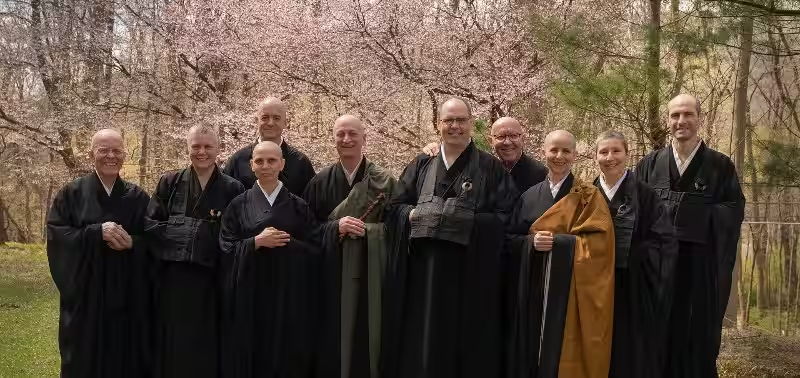
The call to a zen monastic life is an ancient one, echoing through centuries of dedicated practice and profound spiritual inquiry. It’s a path that, for many, represents a radical departure from the conventional rhythms of modern existence, offering a sanctuary of stillness, discipline, and insight. This isn’t merely about adopting a particular set of robes or adhering to a strict schedule; it’s a deep dive into the essence of religion, specifically the Buddhist tradition of Zen, seeking to uncover the fundamental nature of reality and one’s place within it.
For those curious about this unique way of life, the concept of zen monasticism can seem both alluring and perhaps a little intimidating. It conjures images of silent meditation halls, communal living, and a life dedicated to the pursuit of enlightenment. Yet, beneath the surface of these outward perceptions lies a rich tapestry of practice, philosophy, and community that is both deeply human and profoundly transformative. Understanding the motivations, daily realities, and ultimate goals of those who embrace zen monastic life can provide invaluable insights into the enduring power of religion and the human quest for meaning.
The Foundations of Zen Monastic Life: Discipline and Devotion
At its core, zen monastic life is built upon a foundation of discipline and devotion. This is not a rigid, oppressive force, but rather a scaffolding that supports the inner work of spiritual development. Think of it like building a sturdy house; the framework is essential for structure and strength, allowing for the beauty and comfort within. Similarly, the daily routines and vows of zen monastics provide the necessary structure for cultivating mindfulness, compassion, and wisdom.
The religion of Zen, with its emphasis on direct experience rather than dogma, finds its most potent expression within the monastic setting. Here, the principles of impermanence, suffering, and non-self are not just abstract concepts to be contemplated, but lived realities that inform every aspect of existence. The zen monastic is encouraged to see the fleeting nature of every moment, to acknowledge the inherent challenges of life without succumbing to despair, and to recognize the interconnectedness of all beings, dissolving the illusion of a separate, permanent self. This dedicated practice is what gives the zen monastic path its distinct flavor within the broader landscape of religion.
Daily Rhythms: Zazen, Work, and Study
The heartbeat of zen monastic life is often found in the rhythm of zazen, or seated meditation. This is the central practice, the anchor that grounds the practitioner in the present moment. Imagine sitting in quiet contemplation, not striving for anything in particular, but simply being present with your breath, your body, and the unfolding of your thoughts. This sustained attention cultivates a deep sense of awareness, allowing the zen monastic to observe the workings of their own mind with clarity and equanimity.
Beyond zazen, the day is typically structured with periods of samu, or mindful work. This could involve anything from tending the monastery gardens to cleaning the halls, all approached with the same intention as meditation. The idea is to bring full attention to each task, transforming mundane chores into opportunities for spiritual practice. Furthermore, zen monastics often engage in study of the Dharma, reading scriptures, listening to teachings from their teachers, and wrestling with profound philosophical questions. This intellectual engagement complements the experiential learning of meditation and work, creating a holistic approach to spiritual growth within the framework of their religion.
The Role of the Zen Monastic in the Modern World
In a world often characterized by speed, distraction, and constant external stimulation, the zen monastic offers a counterpoint – a living embodiment of stillness and introspection. While the image of a secluded monastery might seem removed from everyday concerns, the wisdom cultivated within its walls has profound relevance for all of us. The practices of mindfulness, compassion, and non-attachment are not exclusive to those who take monastic vows; they are tools that can be integrated into any life, offering a path to greater peace and resilience.
The zen monastic tradition, as a vital expression of religion, serves as a living repository of ancient wisdom, reminding us of the enduring human capacity for profound inner transformation. They are not merely passive observers of life, but active participants in the cultivation of a more awakened and compassionate world. Their dedication to practice, even in the face of personal challenges, offers an inspiring example of what is possible when one commits to a path of spiritual inquiry, showing that religion can be a powerful force for positive change, both internally and externally.
Cultivating Mindfulness Beyond the Meditation Cushion
The pursuit of mindfulness is not confined to dedicated meditation sessions for the zen monastic. It’s a cultivated habit, a way of being that permeates every action. Consider the simple act of drinking a cup of tea; for a zen monastic, this is an opportunity to be fully present, to notice the warmth of the cup, the aroma of the tea, the sensation of each sip. This conscious engagement with the present moment is the essence of mindfulness, and it’s a skill that can be honed through consistent practice.
This emphasis on present moment awareness extends to relationships and interactions. Instead of rushing through conversations or being lost in one’s own thoughts, a zen monastic strives to listen deeply, to respond with clarity and kindness. This commitment to mindful communication fosters stronger connections and reduces the misunderstandings that often arise from a lack of attentive presence. Within the context of religion, this mindful engagement is seen as an expression of compassion in action, demonstrating that spiritual practice is not an escape from the world, but a deeper way of engaging with it.
The Path of Service and Compassion
While zen monastic life is often associated with personal spiritual development, it is also deeply rooted in the principle of service to others. The understanding that all beings are interconnected leads naturally to a desire to alleviate suffering and contribute to the well-being of the community. This can manifest in various ways, from offering guidance and support to those who visit the monastery seeking wisdom, to participating in social justice initiatives.
The zen monastic recognizes that true spiritual growth cannot happen in isolation. By extending their practice of compassion outwards, they embody the transformative power of religion. For example, a zen monastic might offer free meditation classes to the local community or volunteer their time at a homeless shelter. These acts of service are not seen as charitable deeds separate from their spiritual path, but as integral components of it, demonstrating that the insights gained through zazen and study are meant to be shared and applied in the world. This dedication to both inner cultivation and outward action is a hallmark of the zen monastic ideal.
Zen Monasticism: Frequently Asked Questions
What is Zen monasticism?
Zen monasticism is a way of life dedicated to the practice and study of Zen Buddhism within a monastic community. Monks and nuns live together, follow a strict schedule of meditation, work, and study, and are guided by a teacher (roshi) to cultivate wisdom and compassion.
What are the core beliefs of Zen Buddhism?
The core beliefs of Zen Buddhism revolve around the idea that enlightenment (satori) can be attained through direct experience and intuitive understanding rather than solely through scripture or doctrine. Key concepts include emptiness (sunyata), impermanence (anicca), and the interconnectedness of all things. Meditation (zazen) is central to realizing these truths.
What is the daily life of a Zen monk or nun like?
A typical day in a Zen monastery involves waking up very early for meditation (zazen), followed by chanting, communal meals, periods of manual labor (samu) to maintain the monastery, study of Buddhist scriptures and teachings, and more meditation sessions. The schedule is rigorous and designed to foster mindfulness and discipline.
What is the role of meditation (zazen) in Zen monasticism?
Zazen, or seated meditation, is the cornerstone of Zen practice. It is the primary method for quieting the mind, observing thoughts without judgment, and directly experiencing the nature of reality. Monastics dedicate significant portions of their day to this practice.
What is the importance of the Sangha (monastic community)?
The Sangha, or community of monks and nuns, provides a vital support system for practitioners. Living and practicing together creates an environment of shared commitment, mutual encouragement, and collective aspiration towards enlightenment. The community also helps to preserve and transmit the teachings.
Do Zen monastics take vows?
Yes, Zen monastics typically take vows, which can include vows of celibacy, poverty, and non-harming. These vows are seen as liberating tools that help to reduce attachment and cultivate selfless service.
What kind of work do Zen monastics do?
Monastics engage in various forms of manual labor, known as “samu” or “work practice.” This can include gardening, cooking, cleaning, carpentry, and other tasks necessary for the upkeep of the monastery. Samu is considered an integral part of practice, done with full attention and mindfulness.
How does one become a Zen monk or nun?
Becoming a Zen monk or nun usually involves a period of inquiry and visiting monasteries to experience the lifestyle. If called to commit, one typically begins as a lay practitioner or novice, living at the monastery and undergoing training. This can eventually lead to formal ordination.
Can Zen monastics interact with the outside world?
While monastic life is dedicated and disciplined, there are often opportunities for interaction with the outside world. This can include teaching, giving dharma talks, offering counseling, or participating in interfaith dialogues. The degree of interaction varies between different monasteries and traditions.
What is the ultimate goal of Zen monasticism?
The ultimate goal of Zen monasticism is to achieve enlightenment (satori or kensho), which is a profound realization of one’s true nature and the nature of reality. This is not seen as an end in itself, but rather as a foundation for living a life of compassion, wisdom, and service to all beings.