The arrival of a new child is a moment of immense joy, a profound blessing that often inspires parents to seek spiritual grounding for their precious little one. For Catholic families, this spiritual journey often begins with the beautiful sacrament of Baptism, commonly referred to as christening within the Church. This sacred rite isn’t just a ceremony; it’s the initiation into the Catholic faith, a welcoming into the mystical body of Christ and the universal Church. Understanding the Catholic Church christening rules is essential for parents embarking on this significant step, ensuring the baptism is celebrated according to tradition and with deep spiritual meaning.
This article aims to demystify the process, offering a comprehensive and relatable guide to the requirements and significance of a Catholic christening, making it accessible and informative for every parent. We’ll explore everything from the essential preparations to the roles of godparents, ensuring you feel confident and prepared as you prepare to welcome your child into the vibrant community of the Catholic Church.
Understanding the Sacrament: Why Christening Matters in Catholicism
Baptism, or christening, holds a foundational place in Catholic theology. It is considered the first sacrament and the gateway to all other sacraments. Through Baptism, original sin is washed away, and the individual is infused with sanctifying grace, a divine life that allows them to live in relationship with God. For infants, this sacrament is seen as a loving act of parental faith, entrusting their child to God’s care and protection from the very beginning of their earthly journey.
The significance of christening extends beyond the individual. It represents the child’s entry into the communion of saints, a spiritual family that transcends earthly boundaries. This means they are now part of a global community of believers, united in faith and love. The ceremony itself is rich in symbolism, with the pouring of water signifying purification and rebirth, and the white garment symbolizing the new life in Christ. The anointing with sacred oils signifies strengthening and protection. It’s a powerful declaration of faith not just by the parents, but also by the entire Church community, who pledge to support the child’s spiritual growth.
The Practicalities: Navigating the Requirements for a Catholic Christening
While the spiritual significance is paramount, there are practical considerations and specific Catholic Church christening rules that parents need to be aware of. The first step is typically to contact your local Catholic parish. Most parishes have a designated person or office that handles Baptismal arrangements. This initial contact will allow you to understand their specific procedures, available dates, and any required pre-baptismal classes.
One key requirement is often a pre-baptismal class for parents. These classes are not meant to be a test, but rather an opportunity to deepen your understanding of the sacrament, its meaning, and your role as Christian parents in raising your child in the faith. They provide a space to ask questions and connect with other expectant parents. Additionally, you will need to prepare the necessary documentation, which usually includes the child’s birth certificate.
Choosing Godparents: A Vital Role in Your Child’s Faith Journey
The selection of godparents is a significant aspect of the Catholic Church christening rules. Godparents are not simply guests of honor; they are chosen witnesses to the faith and are expected to play an active role in the child’s spiritual upbringing. The Church has specific requirements for godparents to ensure they can fulfill this important responsibility effectively.
Generally, godparents must be practicing Catholics, meaning they should have received the Sacraments of Baptism, Confirmation, and Eucharist, and be at least 16 years of age. They should also be leading a life in harmony with the faith and the mission of the Church. This means they should be registered parishioners in a Catholic Church and actively participate in its life. It’s also important to note that one godparent must be Catholic, but a second godparent can be a baptized non-Catholic Christian who is willing to support the child’s Catholic upbringing, though they will not be formally considered a “godparent” in the same capacity.
What Makes a Good Catholic Godparent?
The ideal godparents are individuals who embody the Catholic faith and are committed to living it out. They should be spiritual mentors who can guide your child in prayer, teach them about Catholic traditions, and be a positive example of Christian living. Think about individuals in your life who inspire you with their faith, who are actively involved in their parish, and who you trust to be a consistent presence in your child’s life.
When choosing, consider these points:
Commitment to Faith: Are they actively practicing Catholics? Do they attend Mass regularly?
Spiritual Maturity: Do they understand the responsibilities of a godparent? Are they willing to help nurture your child’s faith?
Positive Influence: Will they be a good role model for your child in terms of their actions and values?
Close Relationship: Ideally, they should be someone who will have a genuine and ongoing relationship with your child.
It’s a good idea to discuss the role and expectations with potential godparents before formally asking them. This ensures they understand the commitment and are comfortable with the responsibilities involved.
The Christening Ceremony: What to Expect on the Day
The Baptismal ceremony itself is a beautiful and moving experience, filled with prayer, scripture readings, and sacred rituals. Typically, the ceremony is led by a priest or deacon. The parents and godparents will stand with the child at the baptismal font. The priest will begin with prayers and blessings, followed by the renunciation of sin and profession of faith by the parents and godparents. This is a profound moment where they pledge to raise the child in the Catholic faith.
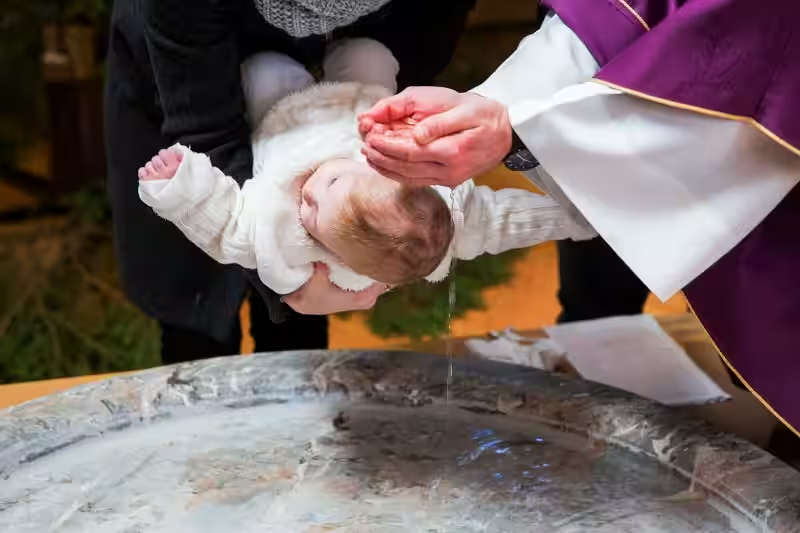
Next comes the administration of the sacrament. The priest will ask for the child’s name and then pour water three times over the child’s head, saying, “I baptize you in the name of the Father, and of the Son, and of the Holy Spirit.” This is followed by the anointing with the Oil of Catechumens on the chest, symbolizing strength, and the chrism oil on the crown of the head, signifying the reception of the Holy Spirit and incorporation into Christ. The lighting of a baptismal candle from the Paschal candle is also a significant symbol, representing the light of Christ entering the child’s life.
Symbols and Significance: Unpacking the Liturgy
Each element of the Baptismal ceremony carries deep symbolic meaning, reinforcing the spiritual transformation occurring. The water, as mentioned, represents cleansing from sin and new life. Think of it like a fresh start, washing away what separates us from God and allowing a new spiritual life to flourish. The white garment, often a small shawl or robe, signifies the purity and newness of the baptized child, who is now clothed in Christ.
The chrism oil, a fragrant olive oil blessed by the bishop, is particularly important. It signifies being chosen and set apart for God, much like kings and priests were anointed in ancient times. It marks the child as a member of Christ’s body. The baptismal candle is a powerful reminder of Jesus’ words, “I am the light of the world. Whoever follows me will not walk in darkness, but will have the light of life” (John 8:12). It is a visible symbol of the faith that the parents and godparents are committing to nurture.
After the Christening: Continuing the Faith Journey
Receiving the sacrament of Baptism is the beginning, not the end, of your child’s Catholic journey. The Catholic Church christening rules are designed to support this ongoing spiritual development. The parents and godparents have a lifelong commitment to raising the child in the Catholic faith. This involves encouraging prayer, attending Mass regularly, and teaching them about the teachings of the Church.
As the child grows, they will continue to receive the other sacraments: First Reconciliation, First Holy Communion, and Confirmation. These sacraments build upon the foundation laid at Baptism, deepening their relationship with God and strengthening their commitment to living as Catholics. The parish community remains a vital support system, offering opportunities for faith formation, fellowship, and continued spiritual guidance. Remember, the parish is your “spiritual home,” and its members are your extended family in faith, ready to support you and your child every step of the way.
Frequently Asked Questions: Catholic Church Christening (Baptism) Rules
What is a Catholic Christening?
A Catholic Christening, more formally known as Baptism, is a sacrament in the Catholic Church that welcomes a person into the Christian community. It is considered the first sacrament of initiation and involves the use of water and the invocation of the Trinity.
Any person, infant or adult, who has not been baptized in any Christian denomination can be baptized in the Catholic Church. For infants, parents must intend to raise the child in the Catholic faith.
What are the requirements for parents of an infant to be baptized?
Parents must be practicing Catholics and have a sincere desire to raise their child in the Catholic faith. They are usually required to attend pre-baptismal classes.
What are the requirements for godparents?
Godparents (or sponsors) must be at least 16 years old, be baptized and confirmed Catholics, lead a life in harmony with the faith and the role they are to undertake, and be in good standing with the Church (meaning they are not excommunicated). At least one godparent must be a practicing Catholic.
Can a non-Catholic be a godparent?
A baptized Christian of another denomination can act as a Christian witness alongside a Catholic godparent, but they cannot be the sole godparent. Non-baptized individuals cannot serve as godparents.
What is the role of a godparent?
Godparents are chosen to help the parents raise the child in the Catholic faith. They promise to support the child’s spiritual development and to be a positive example of Christian living.
Is there a specific age limit for baptism?
Infants are typically baptized within the first few months of life. However, adults can also be baptized through the Rite of Christian Initiation of Adults (RCIA). There is no strict age limit for baptism, but the intention to live a Christian life is key.
What preparation is involved before a baptism?
Parents and godparents are usually required to attend preparation classes. These classes cover the meaning of baptism, the responsibilities involved, and the ceremony itself.
What should I bring to the baptism ceremony?
Typically, you’ll need a white garment (often a special christening gown or bib) to symbolize the child’s new life in Christ, and a candle, which the godparent may light from the Paschal candle.
Where does a Catholic baptism take place?
Baptisms are usually performed in the parish church where the family resides. However, with permission from the parish priest, it can be done in another Catholic church.
Can an adult be baptized?
Yes, adults can be baptized. The process for adult baptism is typically through the RCIA program, which involves a period of instruction and spiritual formation.