The world of religion is rich with symbolism, and few objects embody this more profoundly than the vestments worn by clergy. Among these, the casulla sacerdotal stands out as a particularly significant and historically layered garment. More than just a piece of clothing, the casulla sacerdotal is a visual testament to faith, a conduit for divine presence, and a tangible link to centuries of religious tradition. For those seeking to understand the deeper meanings within religious practice, exploring the casulla sacerdotal offers a fascinating glimpse into the spiritual heart of worship.
This article will delve into the multifaceted nature of the casulla sacerdotal, examining its origins, its symbolic meanings, its practical role in religious ceremonies, and its enduring relevance in the modern religious landscape. We will explore how this sacred vestment serves not only the priest but also the congregation, fostering an environment of reverence and spiritual focus. Understanding the casulla sacerdotal allows us to appreciate the deliberate artistry and profound theological considerations that underpin religious liturgy.
The roots of the casulla sacerdotal stretch back to the ancient Roman world, where it originated as a simple, cloak-like garment worn by both men and women for protection and warmth. This early form, known as the “paenula,” was a practical outer garment, often made of wool, that draped over the shoulders and reached down to the feet, typically with a hole for the head. As Christianity began to spread and formalize its practices, these everyday garments were gradually adapted for liturgical use, imbuing them with new spiritual significance. The transition from secular to sacred was a gradual process, reflecting the evolving identity of the early Church.
Over centuries, the design and ornamentation of the casulla sacerdotal evolved significantly. From its early, unadorned state, it began to be embellished with intricate embroidery, rich fabrics, and symbolic colors, transforming it into a statement of solemnity and divine service. The adoption of more elaborate designs mirrored the increasing grandeur and ceremony within religious services. This evolution was not merely aesthetic; each change often carried deeper theological weight, reflecting shifts in doctrinal understanding or emphasizing specific aspects of the liturgy. The casulla sacerdotal, in its current form, is the culmination of this long and fascinating historical journey, a garment steeped in the traditions it represents.
From Secular Utility to Sacred Symbolism
The transformation of the casulla sacerdotal from a common garment to a sacred vestment is a remarkable example of how material culture can be recontextualized within religious frameworks. Initially, the paenula offered practical protection from the elements. However, as early Christians sought to distinguish their worship from pagan practices and to create a distinct identity for their sacred gatherings, they began to adopt and adapt various forms of clothing. The casulla, with its enveloping nature, provided a sense of solemnity and separation from the mundane world as priests performed sacred rites. This adoption signaled a deliberate move towards a more formalized and reverent approach to worship.
The symbolism attached to these garments grew organically from their function and form. The enveloping nature of the casulla sacerdotal came to represent the embrace of Christ’s teachings, the protection of the faithful, and the spiritual covering that the priest, acting in persona Christi, offers to the congregation. The very act of donning the casulla sacerdotal before a service became a ritualistic preparation, a shedding of worldly concerns and an entrance into a sacred space. This transition highlights how objects, through consistent use within a spiritual context, can acquire profound symbolic meaning, becoming more than their physical components.
The Profound Symbolism Embedded in the Casulla Sacerdotal
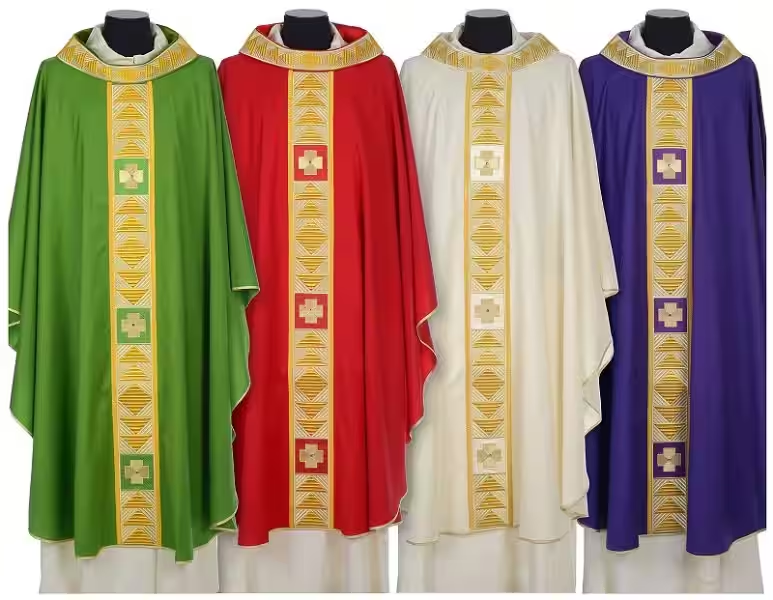
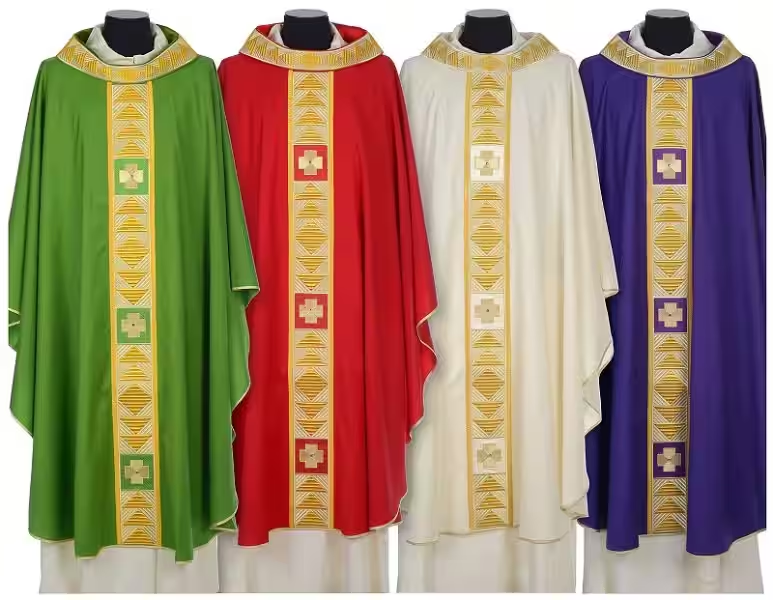
The casulla sacerdotal is a canvas of deeply interwoven symbolism, each element contributing to its sacred significance. The most universally recognized symbolic aspect is its color. The liturgical year is punctuated by a cycle of colors, and the casulla sacerdotal changes accordingly, reflecting different seasons of the Church’s life. White is often associated with joy, purity, and resurrection, used during Easter and Christmas, and for feasts of saints. Red signifies sacrifice, martyrdom, and the Holy Spirit, worn on Pentecost and the feasts of apostles and martyrs. Green represents hope and growth, used during ordinary time, signifying the ongoing journey of faith. Violet or purple denotes penance, preparation, and sorrow, seen during Advent and Lent, calling for introspection and repentance.
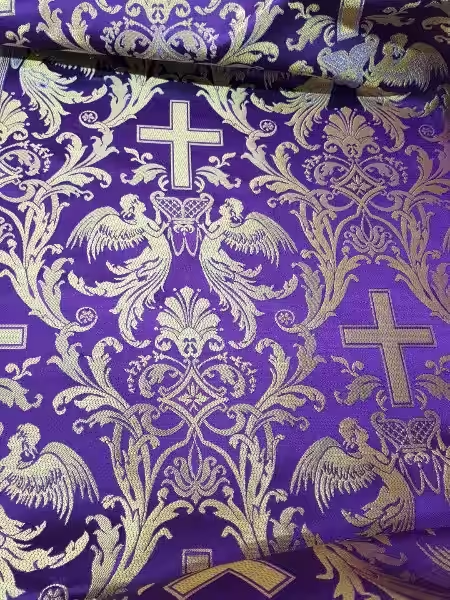
Beyond color, the very shape and structure of the casulla sacerdotal carry meaning. The full, flowing design is often interpreted as representing the yoke of Christ, a joyful burden accepted by the priest in service to God and his flock. It also symbolizes the cloak of charity, an essential virtue for anyone in a pastoral role. The lack of seams in some traditional designs can represent the seamless garment of Christ. Furthermore, the cross or other sacred symbols often embroidered on the casulla sacerdotal serve as constant visual reminders of the central tenets of the faith, reinforcing the priest’s mission and the congregation’s focus on salvation history. These visual cues are not mere decoration; they are theological statements woven into the fabric of worship.
Colors: A Language of Faith
The diverse palette of colors used for the casulla sacerdotal is not arbitrary; it forms a sophisticated visual language that communicates the nuances of the Christian narrative throughout the year. For example, during the solemn season of Lent, the violet casulla sacerdotal prompts a spirit of reflection and repentance, preparing the faithful for the ultimate sacrifice and resurrection. Conversely, the vibrant white casulla sacerdotal on Easter Sunday bursts with the joy of Christ’s triumph over death, a powerful visual declaration of hope. The use of red on days commemorating martyrs or the descent of the Holy Spirit powerfully evokes the fervor of those who spilled their blood for their faith or the fiery presence of the Spirit.
Understanding these color changes can deepen a worshiper’s connection to the liturgical calendar. When a particular color is chosen for the casulla sacerdotal, it signals to the congregation the specific theme or mood of that day’s worship. This visual cue helps to unify the community in a shared spiritual experience. For a priest, the selection of the correct color for the casulla sacerdotal is a meticulous part of preparation, demonstrating a commitment to the precise observances of the Church. It’s a subtle yet powerful way that the vestment communicates the unfolding story of salvation.
The Embrace of Charity and Sacrifice
The generous cut of the casulla sacerdotal, often described as an enveloping garment, carries profound theological weight. It is frequently understood as symbolizing the yoke of Christ, a concept Jesus himself spoke of, saying, “My yoke is easy, and my burden is light” (Matthew 11:30). This imagery suggests that the priestly ministry, while demanding, is undertaken with Christ’s grace and strength. The priest, draped in the casulla sacerdotal, is metaphorically accepting this yoke in service to God and His people. It speaks to a willing submission and a commitment to carrying the spiritual needs of the community.
Another significant interpretation of the casulla sacerdotal’s form is its representation of the cloak of charity. Charity, in the theological sense, is the supreme virtue of love – love for God and love for neighbor. The enveloping nature of the vestment suggests that the priest is called to cover the faithful with this selfless love, protecting them, guiding them, and interceding for them. It’s a visual reminder that the outward vestments are meant to reflect an inward disposition of profound love and dedication to the spiritual well-being of others. The casulla sacerdotal, therefore, becomes a powerful symbol of the core Christian mandate to love.
The Casulla Sacerdotal in Liturgical Practice
The casulla sacerdotal plays a central and indispensable role in the celebration of many Christian liturgies, particularly within Catholic, Orthodox, Anglican, and some Lutheran traditions. It is the primary outer vestment worn by the celebrant during the Mass or Divine Liturgy. Its presence signifies that the priest is acting in a formal, liturgical capacity, representing Christ and the Church. Before the service begins, the priest often offers a prayer while vesting, asking for the grace to minister worthily, further highlighting the sacred nature of the act. The donning of the casulla sacerdotal is not a casual act but a deliberate and prayerful transition into a sacred role.
The visual impact of the casulla sacerdotal on the congregation is undeniable. It helps to elevate the liturgy from the ordinary, creating a sense of awe and reverence. When the priest, adorned in the richly colored and symbolically charged casulla sacerdotal, approaches the altar, it marks a transition into a space of divine encounter. This ceremonial aspect is crucial for fostering a prayerful atmosphere and reminding the faithful of the profound mystery that is unfolding. The casulla sacerdotal acts as a visual anchor, drawing the attention of the congregation to the sacred actions taking place and the divine presence being invoked.
The act of vesting in the casulla sacerdotal is a deeply spiritual discipline for the priest. It is a time for personal prayer and reflection, a moment to prepare the heart and mind for the sacred duties ahead. Many priests have specific prayers they recite as they put on each vestment, including the casulla sacerdotal, asking for strength, wisdom, and purity of intention. This ritualistic preparation underscores that the vestment is not merely an external adornment but an integral part of the priest’s spiritual readiness. It’s a tangible way of separating the sacred from the secular for the duration of the liturgy.
When the priest enters the sanctuary wearing the casulla sacerdotal, his presence immediately signals the commencement of a solemn and sacred event. This visual cue is vital for the congregation, helping to orient them towards the worship to come. The distinctiveness of the casulla sacerdotal, often made with fine fabrics and detailed craftsmanship, sets the celebrant apart, not in a way that elevates him above the people, but in a way that highlights his specific role as an intermediary and minister. It helps to create a sacred space for worship, drawing the faithful into a deeper engagement with the liturgical experience.
Visual Cues for Sacred Encounter
The presence of the casulla sacerdotal in the liturgy serves as a powerful visual aid for the congregation, reinforcing the sacred nature of the Mass or Divine Liturgy. In a world often filled with visual distractions, the distinct and traditional appearance of the casulla sacerdotal helps to focus attention on the central actions of worship. The rich colors, the flowing lines, and the embroidered symbols all contribute to an atmosphere of solemnity and spiritual focus. It’s a deliberate design choice aimed at enhancing the prayerful engagement of everyone present.
For many, the sight of the priest in his casulla sacerdotal is a deeply comforting and familiar aspect of religious life. It represents continuity, tradition, and the enduring presence of God in the community. The vestment acts as a tangible link to generations of clergy who have ministered before. It helps to underscore the belief that the liturgy is not a new or fleeting event, but a participation in an ancient and ongoing covenant between God and humanity. The casulla sacerdotal, therefore, becomes an essential element in fostering a shared sense of sacred encounter and communal worship.
The Enduring Relevance of the Casulla Sacerdotal in Modern Religion
In an era often characterized by minimalism and a questioning of traditional forms, the casulla sacerdotal might seem, to some, like an anachronism. However, its continued use in prominent religious traditions speaks to its deep-seated importance and enduring relevance. Far from being a relic of the past, the casulla sacerdotal continues to serve vital functions in contemporary worship. It provides a sense of continuity with historical faith traditions, offering a stable and recognizable element in a rapidly changing world. This connection to the past can be a source of strength and identity for religious communities.
Moreover, the renewed appreciation for liturgical richness and theological depth in many contemporary Christian communities has led to a greater understanding and valuing of vestments like the casulla sacerdotal. They are seen not as mere ornamentation but as potent vehicles of theological expression and spiritual practice. The careful selection of fabrics, colors, and designs for a new casulla sacerdotal often involves thoughtful consideration of contemporary liturgical needs and theological insights. This ensures that the vestment remains a dynamic and meaningful part of religious life, adapting while retaining its core sacred purpose.
Continuity and Identity in a Changing World
The casulla sacerdotal offers a powerful symbol of continuity in a world that often feels fragmented and ephemeral. For many, seeing the priest vested in this traditional garment evokes a sense of connection to a long lineage of faith, a chain of believers stretching back through history. This connection can provide a profound sense of identity and belonging, anchoring individuals and communities in a shared heritage. It’s a visual reminder that their faith is part of a larger, ongoing story that transcends individual lives and contemporary trends.
In many religious institutions, the casulla sacerdotal is more than just a historical artifact; it actively contributes to the identity of the community. Its consistent use reinforces the specific theological and liturgical tradition of that denomination. When individuals encounter a priest in a casulla sacerdotal, they often immediately recognize the context of Catholic, Anglican, or Orthodox worship, for example. This visual cue helps to define the distinct character of their religious expression and to welcome new members into a recognizable framework of belief and practice.
A Living Symbol of Faith
The casulla sacerdotal is not merely a historical artifact to be preserved in a museum; it is a living symbol that actively participates in the worship experience today. Its continued use testifies to its profound and ongoing significance in conveying theological truths and fostering a sacred atmosphere. Even in more contemporary settings, the presence of the casulla sacerdotal serves to elevate the liturgy, reminding both clergy and laity of the divine mystery they are engaged in. It’s a testament to the enduring power of sacred objects to communicate the ineffable.
As religious traditions continue to evolve, the casulla sacerdotal remains a focal point of devotion and a source of inspiration. The creation of new casullas, often incorporating contemporary artistic styles while respecting traditional forms, demonstrates that this vestment is still relevant and capable of speaking to modern sensibilities. The casulla sacerdotal continues to be a powerful visual articulation of faith, sacrifice, and divine service, ensuring its place as a cherished and vital component of religious expression for generations to come.
Frequently Asked Questions: Casulla Sacerdotal
What is a casulla sacerdotal?
A casulla sacerdotal, also known as a chasuble, is the outermost liturgical vestment worn by the clergy during Christian services, particularly in the Roman Catholic, Anglican, and some Lutheran traditions. It is typically a large, draped garment worn over other vestments.
What is the symbolism of the casulla sacerdotal?
The casulla sacerdotal symbolizes the yoke of Christ, representing the burden of service and the responsibility of the priest. It also signifies charity, as it is the outermost garment, covering all others, symbolizing love embracing the community. The shape can also evoke the wings of an angel or the suffering Christ.
What are the different colors of the casulla sacerdotal and their meaning?
The colors of the casulla sacerdotal correspond to the liturgical seasons and feasts:
White: Used during seasons of joy and celebration, such as Christmas, Easter, and feasts of saints who were not martyrs. It symbolizes purity, joy, and victory.
Red: Used on Pentecost, Good Friday, and feasts of martyrs. It symbolizes the Holy Spirit, the blood of Christ, and martyrdom.
Green: Used during Ordinary Time, representing hope and perseverance in the Christian journey.
Violet (Purple): Used during Advent and Lent, seasons of penance, reflection, and preparation. It symbolizes penitence and sorrow.
Rose (Pink): Used on the third Sunday of Advent (Gaudete Sunday) and the fourth Sunday of Lent (Laetare Sunday). It signifies a pause in the penitential season and a foretaste of joy.
Black: Historically used for Masses for the Dead, though white or violet are now often permitted.
Who wears the casulla sacerdotal?
The casulla sacerdotal is primarily worn by bishops and priests. In some traditions, deacons may wear a dalmatic, which is similar in form but often has sleeves.
When is the casulla sacerdotal worn?
The casulla sacerdotal is worn during the celebration of the Mass and other solemn liturgical services, such as ordinations and certain sacraments. It is the outermost vestment worn by the celebrant.
Are there different styles of casullas?
Yes, while the fundamental form remains consistent, there are variations in style, fabric, and ornamentation. Some casullas are more ornate with embroidery and embellishments, while others are simpler in design. The style can also vary by region and historical period.