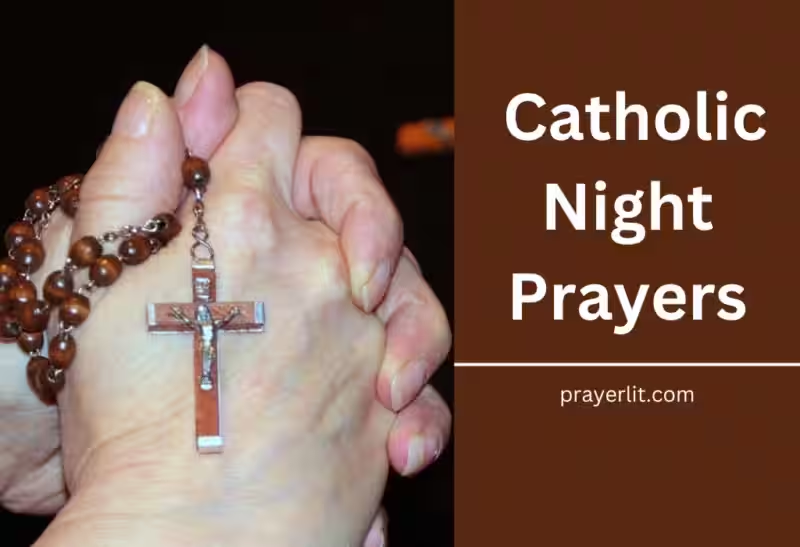
In the quiet moments after a busy day, as the world outside begins to settle and the stars emerge, many find solace and purpose in the practice of nightly Catholic prayers. This sacred ritual isn’t just about reciting words; it’s a profound act of communion, a way to connect with the divine, express gratitude, seek forgiveness, and prepare our hearts for a peaceful slumber. For Catholics, the evening offers a unique opportunity for introspection, a chance to review the day’s events through the lens of faith, and to entrust our worries and hopes into God’s loving care. This article will explore the significance of nightly Catholic prayers, offer practical guidance on how to incorporate them into your life, and provide examples to illuminate their beauty and power.
The rhythm of prayer can be a constant thread weaving through the fabric of our lives, providing strength and stability, especially as we transition from the day’s activities to the stillness of the night. Whether you are a lifelong Catholic seeking to deepen your prayer life or someone new to the faith exploring its rich traditions, understanding the value and practice of nightly prayers can be a transformative experience. It’s a personal journey, often made more meaningful through consistent engagement with timeless prayers and personal reflection.
The act of praying at night serves multiple vital functions within the Catholic tradition. Primarily, it’s an opportunity to offer a daily examen, a spiritual exercise that involves reviewing our day with God. This reflection helps us identify moments of grace, instances where we may have fallen short, and areas where we can grow in virtue. It’s a conscious effort to bring our actions, thoughts, and intentions before the Lord, acknowledging His constant presence and guidance throughout our waking hours. This process fosters a deeper self-awareness and a greater reliance on God’s mercy.
Furthermore, nightly prayers are a crucial way to surrender our anxieties and entrust our future to divine providence. As we prepare for sleep, our minds can often race with concerns about tomorrow’s challenges, lingering regrets from today, or worries about loved ones. By offering these thoughts and fears to God through prayer, we can experience a profound sense of peace and release. It’s like handing over a heavy burden to someone stronger and more capable, allowing us to rest without the weight of the world on our shoulders. This act of surrender is a testament to our faith in God’s plan and His promise to care for us.
The Daily Examen: A Reflective Practice
The Daily Examen, a practice rooted in the teachings of St. Ignatius of Loyola, is a cornerstone of effective nightly Catholic prayers. It’s not about judgment, but about encountering God’s love in the ordinary moments of our day. This prayerful reflection typically involves five simple steps: giving thanks for the day, asking for grace to understand our feelings, examining our actions with God’s help, asking for forgiveness for our shortcomings, and looking forward to the next day with God’s help. It’s a gentle yet powerful way to become more attuned to the Holy Spirit’s promptings in our lives.
Imagine you’re looking back at a day where you felt particularly patient with a difficult colleague. During your Examen, you’d thank God for that moment of grace. If you found yourself losing your temper, you’d acknowledge it without harsh self-criticism, perhaps asking for the grace to respond differently next time. This structured reflection helps us recognize God’s presence in both our joys and our struggles, fostering a continuous dialogue with Him. It transforms mundane experiences into opportunities for spiritual growth, making our faith a living reality, not just a set of doctrines.
Surrendering Your Worries and Seeking Peace
As darkness envelops the world, it’s natural for our minds to become a fertile ground for worries. Nightly Catholic prayers provide a structured way to release these burdens and invite the peace that surpasses all understanding. Prayers like the Our Father, the Hail Mary, and the Act of Contrition are not mere recitations; they are profound expressions of our dependence on God and our desire for His will to be done. By vocalizing our entrustment, we actively participate in this spiritual surrender.
For instance, when you pray the line “Your will be done” from the Our Father, you are consciously choosing to align your desires with God’s divine plan, even if it’s not what you initially envisioned. This can be incredibly freeing. Similarly, the Hail Mary offers comfort and intercession, reminding us that we are not alone in our struggles, but have the powerful intercession of the Blessed Mother. These prayers, when prayed with intention, act as a powerful antidote to anxiety, allowing us to drift off to sleep with a sense of security and divine protection.
Key Nightly Catholic Prayers and Their Significance
While there are numerous prayers within the Catholic tradition that can be incorporated into an evening routine, some are particularly suited for this time of reflection and rest. These prayers often encapsulate themes of gratitude, forgiveness, protection, and hope, all essential elements for a peaceful transition into sleep and a renewed spirit for the following day. Understanding the meaning behind these familiar prayers can deepen their impact and make them more meaningful to your personal practice.
The beauty of these prayers lies in their timeless wisdom and their ability to speak to the human condition. Whether you are experiencing joy, sorrow, or uncertainty, these prayers offer a spiritual anchor. They are a direct line to God, a way to communicate our deepest thoughts and feelings, and to receive His comforting presence. Embracing these prayers as part of your nightly routine can become a cherished spiritual discipline.
The Our Father (The Lord’s Prayer)
The Our Father is arguably the most central and profound prayer in Catholicism, taught directly by Jesus himself. When prayed at night, it serves as a powerful reminder of our relationship with God as our Heavenly Father. The opening words, “Our Father, who art in heaven, hallowed be thy name,” immediately establish a sense of reverence and connection. This prayer is a comprehensive petition, covering our spiritual needs (“Thy kingdom come, Thy will be done, on earth as it is in heaven”), our physical needs (“Give us this day our daily bread”), our need for forgiveness (“and forgive us our trespasses, as we forgive those who trespass against us”), and our need for protection from evil (“and lead us not into temptation, but deliver us from evil”).
Praying the Our Father before bed is an act of committing our day’s actions and our hopes for the future to God’s care. It acknowledges our dependence on Him for sustenance, both spiritual and physical. The crucial line, “and forgive us our trespasses, as we forgive those who trespass against us,” encourages us to reflect on how we have treated others and to extend the same mercy we seek from God. This aspect of forgiveness is particularly important at night, as it can help us release grudges and approach sleep with a lighter heart, ready to start anew the following morning.
The Hail Mary
The Hail Mary is a beautiful prayer that invokes the intercession of the Blessed Virgin Mary. When recited as part of nightly Catholic prayers, it offers a sense of comfort, maternal protection, and a connection to a powerful advocate in heaven. The prayer begins with the angelic salutation: “Hail Mary, full of grace, the Lord is with thee. Blessed art thou amongst women, and blessed is the fruit of thy womb, Jesus.” This acknowledges Mary’s unique role in salvation history and her closeness to God.
The second part, “Holy Mary, Mother of God, pray for us sinners, now and at the hour of our death,” is a direct request for intercession. As we prepare for the “hour of our death,” whether it be the literal end of our lives or the transition into the sleep of night, the Hail Mary offers a profound sense of assurance. It reminds us that Mary, our spiritual mother, is present, praying for us and guiding us. It’s a comforting embrace, a reminder that we are loved and protected by both God and His most devoted servant.
The Act of Contrition
The Act of Contrition is a heartfelt prayer of sorrow for our sins and a sincere resolve to amend our lives. While it can be prayed at any time, its inclusion in nightly Catholic prayers is especially significant. It provides a vital opportunity to seek God’s forgiveness before resting, ensuring that we are not carrying the burden of unrepented sins into our sleep. This prayer acknowledges our human frailty and our need for God’s cleansing mercy.
A common form of the Act of Contrition includes phrases like: “O my God, I am heartily sorry for having offended Thee, and I detest all my sins because I dread the loss of heaven and the pains of hell, but most of all because I have offended Thee, my God, who art all good and deserving of all my love. I firmly resolve, with the help of Thy grace, to confess my sins, to do penance, and to amend my life.” This prayer is a powerful act of humility and dependence on God’s grace. It’s not about dwelling on past mistakes, but about actively choosing to turn away from sin and towards a renewed commitment to living a life pleasing to God, allowing for a truly restful and spiritually clean night.
Transforming the practice of nightly Catholic prayers from an occasional thought into a consistent habit requires intention and a gentle approach. The key is consistency over perfection. Don’t be discouraged if you miss a night or two; simply pick up where you left off. The goal is to cultivate a spiritual discipline that nourishes your soul and brings you closer to God.
Finding the right time and place is also crucial. This might be after you’ve finished your evening chores, before you get into bed, or even while you’re winding down. Creating a peaceful sanctuary for prayer, even if it’s just a quiet corner of your room, can enhance the experience. Consider lighting a candle or having a crucifix or religious image nearby to help focus your mind and heart. The more you integrate these prayers into your daily rhythm, the more natural and rewarding they will become.
Setting the Atmosphere for Prayer
The environment in which we pray can significantly impact our ability to connect with God. For nightly Catholic prayers, creating an atmosphere of calm and reverence is paramount. This doesn’t require elaborate setups; simple adjustments can make a world of difference. Dimming the lights, turning off distractions like televisions and phones, and finding a comfortable, quiet spot can help quiet the noise of the day and open your heart to prayer.
Consider incorporating elements that are personally meaningful. Some find it helpful to have a Bible or prayer book readily available, while others prefer to pray in silence, allowing their thoughts to flow naturally. The presence of a sacred object, such as a crucifix, a rosary, or a statue of a favorite saint, can serve as a visual reminder of God’s love and presence, enhancing the spiritual grounding of your prayer session. This intentional preparation sets the stage for a meaningful encounter with the divine.
Integrating Prayers into Your Evening Routine
The most effective way to make nightly Catholic prayers a consistent habit is to integrate them seamlessly into your existing evening routine. Think of it as another important step in preparing for a good night’s rest, much like brushing your teeth or changing into pajamas. For example, you might decide to pray the Hail Mary immediately after you’ve completed your evening meal, or the Act of Contrition just before you turn off your bedside lamp.
The important thing is to choose a specific, consistent trigger for your prayer time. This could be as simple as saying “Amen” at the end of your nightly prayers, and then making the conscious decision to begin your prayer. Over time, this link will become automatic, and the prayer will feel like a natural and essential part of your day. Remember, it’s about building a spiritual discipline that supports your well-being, offering a beacon of faith and hope as you close each day.
Beyond Recitation: Deepening Your Connection
While the recitation of traditional prayers is foundational, the true richness of nightly Catholic prayers lies in moving beyond mere words to foster a deep and personal connection with God. This involves bringing your own thoughts, feelings, and experiences into your prayer life, making it a genuine dialogue rather than a one-way communication. It’s about allowing God’s word and His presence to permeate your heart and mind as you prepare for rest.
Consider how each prayer can be a springboard for personal reflection. When you pray for forgiveness, think about specific actions from your day that might require it. When you give thanks, recall tangible blessings, both big and small. This intentional engagement transforms prayer from a duty into a profound spiritual encounter, nurturing a deeper intimacy with the divine and a more profound sense of peace as you drift into sleep.
Personal Reflection and Conversation with God
The beauty of nightly Catholic prayers extends beyond the established liturgical texts; it invites a personal conversation with God. After reciting a prayer like the Our Father, take a moment to reflect on its meaning in your own life. Ask yourself: “What does ‘Thy kingdom come’ truly mean to me today?” or “Where did I experience God’s grace in my interactions?” This intentional questioning fosters a deeper understanding of your faith and your relationship with the divine.
This is also the time to voice your personal intentions and concerns. Perhaps you are worried about a family member, facing a challenging decision at work, or simply feeling overwhelmed. Bring these thoughts to God in a conversational manner. You can say, “Lord, I am worried about my son’s upcoming exam. Please give him clarity and peace.” This direct and honest communication strengthens your trust in God’s providence and allows you to release burdens, paving the way for peaceful sleep. It’s a sacred space where you can be completely yourself, knowing you are heard and loved.
In the Catholic tradition, rest is not merely the absence of activity but can be viewed as a sacrament of God’s restorative love. Nightly Catholic prayers play a crucial role in preparing us to receive this gift of rest fully. By surrendering our worries, seeking forgiveness, and offering gratitude, we create a spiritual readiness that allows for true rejuvenation. This intentional preparation honors the body and soul, recognizing that both are temples of the Holy Spirit.
Think of sleep as a time when God can heal and restore us on a deeper level. When our minds are untroubled by anxiety and our consciences are clear, we are more open to this divine work. Embracing nightly prayers as a way to achieve this spiritual clarity is a powerful act of faith. It’s about acknowledging that even in our stillness, God is actively working in and through us, preparing us for the new day with renewed strength and a spirit of hope. This perspective transforms sleep into a sacred opportunity for spiritual renewal.
In conclusion, incorporating nightly Catholic prayers into your life is more than just a religious obligation; it is a profound act of love, trust, and self-care. These prayers, from the foundational Our Father to the comforting Hail Mary and the penitent Act of Contrition, offer a guiding light through the quiet hours of the night. By embracing the practice of the Daily Examen, setting a peaceful atmosphere, and engaging in sincere conversation with God, you can transform your evenings into a time of deep spiritual connection, leading to a more peaceful sleep and a more spiritually renewed morning. May these nightly prayers serve as a constant source of strength, comfort, and divine guidance in your journey of faith.
Nightly Catholic prayers are a variety of devotional practices that Catholics engage in before sleeping. These prayers often serve to offer thanks for the day, ask for protection during the night, and seek forgiveness for any wrongdoings.
What are some common types of nightly Catholic prayers?
Common types include the Sign of the Cross, the Our Father (Lord’s Prayer), the Hail Mary, the Glory Be, a personal examination of conscience, and specific prayers for protection or intercession. Many people also use bedtime prayer books or the Liturgy of the Hours for their night prayers.
Is there a specific prayer Catholics must say every night?
While there isn’t one single mandatory prayer for all Catholics every night, the Church encourages consistent prayer. Many find comfort and spiritual benefit in reciting familiar prayers like the Our Father and Hail Mary, often concluding with an Act of Contrition or a prayer of thanksgiving.
Can I make up my own prayers for the night?
Absolutely. Personal prayer is highly encouraged in Catholicism. You can express your thoughts, feelings, gratitude, and requests directly to God in your own words. This can be a very intimate and meaningful way to end your day.
What is an examination of conscience?
An examination of conscience is a brief reflection on your actions, thoughts, and words throughout the day to identify any sins or areas where you may have fallen short of God’s will. It’s a way to prepare yourself for sleep with a clear conscience and, if necessary, for the Sacrament of Reconciliation.
Are there specific saints or angels Catholics pray to at night?
Many Catholics invoke specific saints and angels for protection during the night. St. Michael the Archangel is often called upon for protection against evil, and guardian angels are frequently asked to watch over us while we sleep. You can also pray to your patron saint or the Blessed Virgin Mary.
How long should nightly Catholic prayers be?
The duration of nightly prayers is entirely personal. Some may spend just a few minutes in prayer, while others might dedicate longer periods to reflection, scripture reading, or devotion. The key is sincerity and consistency.
Can I pray the Rosary at night?
Yes, the Rosary can certainly be prayed at night. It is a contemplative prayer that focuses on the life, death, and resurrection of Jesus Christ, meditating on specific mysteries. It can be a very peaceful and prayerful way to conclude the day.