Light, in its myriad forms, has been a constant companion and profound symbol throughout the tapestry of Jewish tradition. From the celestial glow of the Shabbat candles to the enduring flame of the eternal light, Jewish lighting is far more than mere illumination; it’s a visual language, a conduit for spiritual connection, and a tangible expression of core religious values. Understanding the significance of Jewish lighting offers a unique window into the heart of Jewish practice, revealing how even the simplest act of igniting a flame can carry centuries of meaning and purpose.
The concept of light in Judaism is interwoven with ideas of divine presence, holiness, and the ongoing creation of the world. It’s a reminder of God’s initial act of bringing light into existence, a foundational moment that sets the stage for all that follows. This primal light, often alluded to in mystical texts, suggests an unifying force that permeates the universe, and the careful observance of Jewish lighting practices is a way to honor and participate in this ongoing divine emanation.
The Glow of Shabbat: Welcoming the Queen of the Week
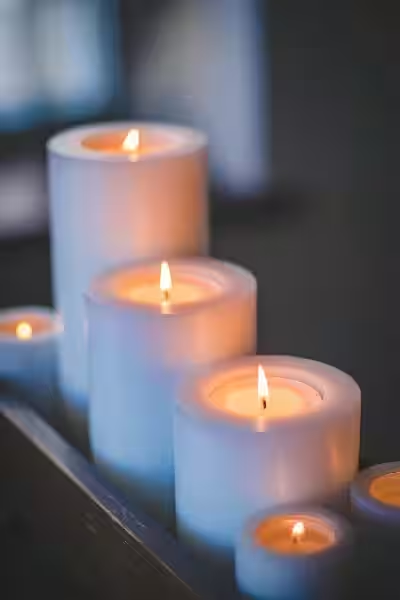
The most universally recognized form of Jewish lighting is undoubtedly the kindling of Shabbat candles. This practice, performed on Friday evenings just before sundown, marks the transition from the mundane week to the sacred observance of the Sabbath. The gentle flicker of the flames is a powerful signal, a visual cue that invites us to pause, rest, and reconnect with ourselves, our families, and our faith.
The ritual of lighting Shabbat candles is deeply personal and profoundly communal. Typically, the woman of the household lights the candles, often with a specific blessing, encompassing her hands over the flames before drawing them towards her face, as if embracing the sanctity of the occasion. This act symbolizes the sanctification of time, setting aside the ordinary for a period of spiritual rejuvenation. The light radiated by these candles is not just physical; it is believed to bring peace, harmony, and blessing into the home for the duration of Shabbat.
The Significance of the Flames
The number of candles traditionally lit is usually two, representing the two commandments associated with Shabbat: “Zachor” (Remember) and “Shamor” (Observe). However, some families opt for additional candles, with each child or member of the household adding their own, creating an even more brilliant and expansive glow. This growing luminescence can be seen as a metaphor for the ever-expanding reach of Jewish tradition and community.
The very nature of the flame itself holds symbolic weight. The undulating movement of the fire can be interpreted as representing the dynamic nature of life and faith, always shifting, always growing, yet always rooted in a divine source. The warmth emanating from the candles is also significant, suggesting the comfort and solace that Shabbat provides, a refuge from the stresses of daily life.
The Eternal Light: A Constant Beacon of Presence
Beyond the weekly observance of Shabbat, the concept of an eternal light, known in Hebrew as the Ner Tamid, holds a central and enduring place in Jewish ritual. This perpetual flame, typically found in synagogues above the Ark that houses the Torah scrolls, serves as a profound symbol of God’s unwavering presence and eternal covenant with the Jewish people.
The Ner Tamid is a constant reminder that God’s light is always present, even in times of darkness or uncertainty. It’s a testament to the enduring nature of faith, a flame that is never extinguished, just as the connection between the Jewish people and the Divine is never truly broken. This continuous illumination stands in contrast to the temporary nature of other lights, emphasizing its unique and everlasting significance.
Symbolism in the Sanctuary
In the physical space of the synagogue, the Ner Tamid occupies a place of immense reverence. Its placement above the Ark, the holiest part of the sanctuary, underscores its connection to the Torah, the source of Jewish wisdom and guidance. The gentle, unwavering glow acts as a beacon, drawing worshippers towards spiritual contemplation and connection.
The symbolism extends to the idea of divine oversight and protection. Just as a lighthouse guides ships safely to shore, the Ner Tamid can be seen as a spiritual guide, illuminating the path of righteousness and devotion for the congregation. It’s a silent, yet powerful, affirmation of faith, a luminous declaration that God’s presence is a constant reality within the community.
Beyond the Flame: Diverse Expressions of Jewish Lighting
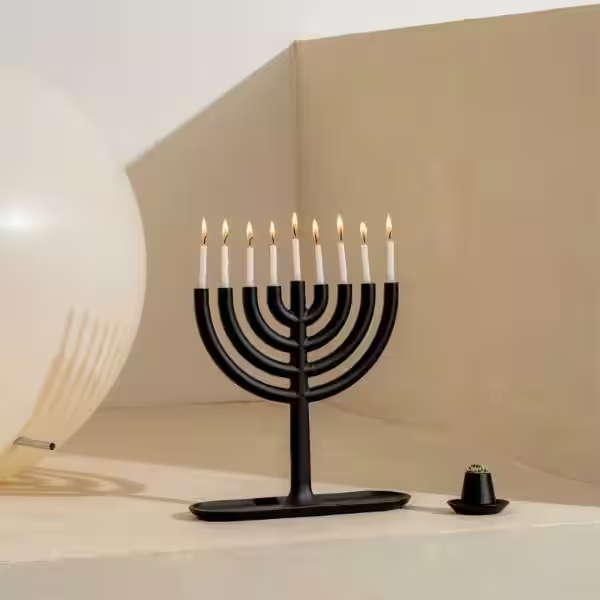
While Shabbat candles and the Ner Tamid are perhaps the most well-known examples, Jewish lighting encompasses a much broader spectrum of practices and symbols. The Hanukkah menorah, for instance, is a vibrant embodiment of Jewish resilience and miraculous deliverance. Each night of the eight-day festival, an additional candle is lit, commemorating the miracle of the oil that miraculously burned for eight days in the ancient Temple.
The increasing number of lights during Hanukkah symbolizes the growth of faith and the triumph of light over darkness. It’s a powerful message of hope and perseverance, reminding us that even in the face of overwhelming odds, divine intervention and inner strength can bring about extraordinary outcomes. The visible display of the Hanukkah lights in windows is also a public declaration of Jewish identity and a testament to the enduring spirit of the Jewish people.
Other Illuminating Traditions
Beyond these prominent examples, other forms of Jewish lighting play significant roles. The Yahrzeit candle, lit to commemorate the anniversary of a loved one’s passing, serves as a poignant reminder of their presence and impact on our lives. This single, enduring flame is a symbol of the soul’s continued existence and the lasting legacy of those who have departed.
The practice of using oil lamps in ancient times for both religious and everyday purposes also informs our understanding of Jewish lighting. The warm, often smoky glow of these early lamps would have created an intimate and sacred atmosphere, fostering a sense of community and shared devotion. Even today, some traditions incorporate the use of oil lamps, preserving a connection to the historical and spiritual roots of Jewish practice.
The Enduring Radiance: Light as a Metaphor for the Soul
Ultimately, Jewish lighting transcends its physical manifestation. It serves as a powerful and enduring metaphor for the inner light of the Jewish soul, the inherent spark of divinity that resides within each individual. Just as a candle must be ignited to shine, so too must our inner light be nurtured and expressed through acts of kindness, study, and devotion.
The act of lighting a candle becomes a parallel for the illumination of the mind and spirit. Through prayer, study of Torah, and the performance of mitzvot (commandments), we ignite and amplify our own spiritual light, contributing to the collective radiance of the Jewish people. This inner illumination not only benefits ourselves but also casts a light outward, positively impacting the world around us.
The lessons learned from Jewish lighting traditions are deeply relatable. They speak to our universal human desire for meaning, connection, and hope. Whether it’s the quiet comfort of Shabbat candles, the steadfast presence of the Ner Tamid, or the triumphant glow of Hanukkah, the radiant soul of Jewish tradition continues to shine, illuminating our lives and guiding us on our spiritual journeys. Each flame, no matter how small, holds within it a universe of meaning, a testament to the enduring power of light in the Jewish experience.
Chanukah lighting, also known as Chanukah candles or Chanukah menorah, refers to the practice of lighting candles each night for eight nights during the Jewish festival of Chanukah. This tradition commemorates the miracle of the oil that lasted for eight days in the ancient Temple in Jerusalem.
What are the basic rules for lighting the Chanukah menorah?
The Chanukah menorah (or chanukiah) must have at least eight candle holders plus one additional holder for the shamash (helper candle). Candles are lit each night, with one additional candle added each subsequent night. The shamash is used to light the other candles. The candles are lit after nightfall, and should burn for at least half an hour.
What is Shabbat lighting?
Shabbat lighting refers to the candles lit by Jewish women (and sometimes men) before sunset on Friday to welcome the Sabbath (Shabbat). These candles symbolize peace, holiness, and the presence of the Divine in the home. Typically, at least two candles are lit, representing the commandment to “remember” and “observe” the Sabbath.
What are the customs for lighting Shabbat candles?
Shabbat candles are lit 18 minutes before sunset on Friday. The woman of the household typically lights them, often with a blessing (bracha). After lighting, she waves her hands over the candles three times and then covers her eyes to say the blessing. The candles are meant to burn throughout the duration of Shabbat.
Are there specific types of lamps or lights used in Jewish tradition?
Beyond Chanukah and Shabbat, other significant lighting practices exist. The ner tamid (eternal light) is a lamp that is kept perpetually lit above the Ark in synagogues, symbolizing God’s eternal presence. The yahrzeit candle is lit on the anniversary of a death to commemorate the departed soul.
What is the significance of light in Judaism?
Light holds deep symbolic meaning in Judaism. It represents divinity, wisdom, truth, and hope. The act of bringing light into the world, whether through specific rituals or personal actions, is considered a fundamental aspect of Jewish observance and spirituality.