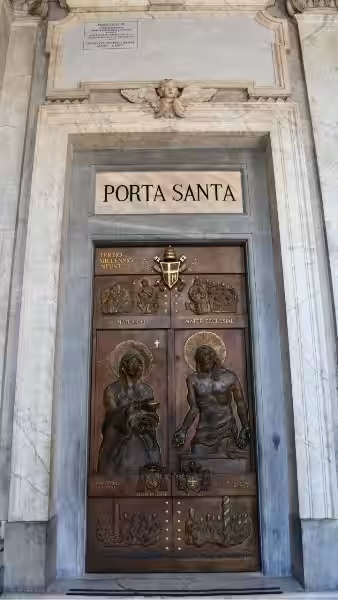
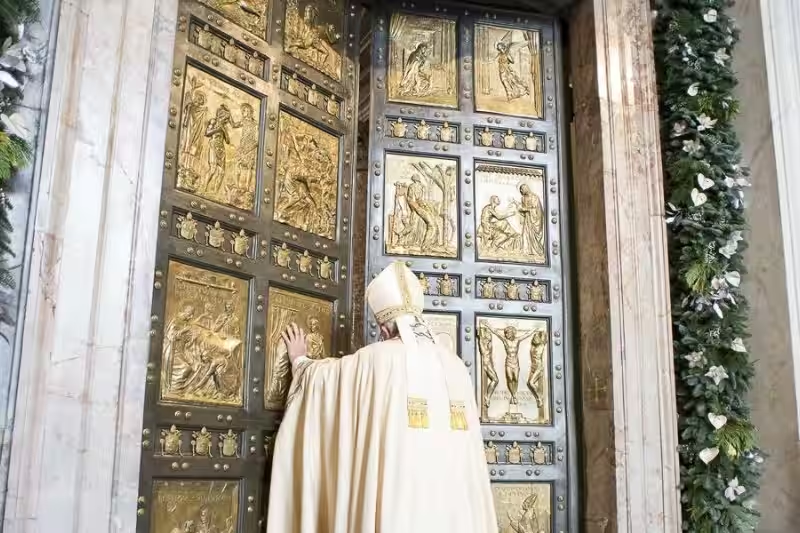
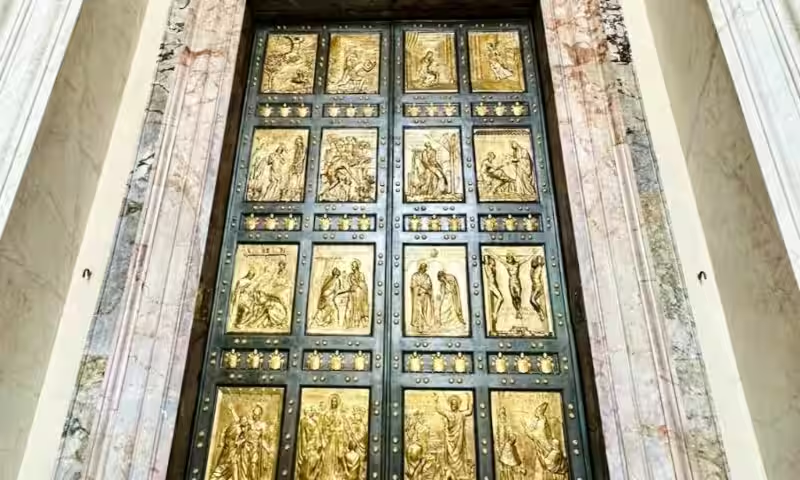
The concept of a Sacred Door, or Porta Santa, holds a profound significance within the Catholic faith. These are not just doorways; they are potent symbols of divine grace, a gateway to spiritual transformation, and a tangible representation of Jesus Christ himself, who declared, “I am the door; whoever enters through me will be saved.” For centuries, the opening of these Holy Doors has marked extraordinary moments in the Church’s history, offering pilgrims a unique opportunity for spiritual renewal and a deeper connection to God. As anticipation builds for the next Holy Door opening, many are seeking to understand the tradition, its meaning, and what this sacred event can offer them personally.
This article aims to illuminate the rich history and contemporary relevance of the Holy Door tradition. We will explore its theological underpinnings, the historical context of its observance, and the practicalities involved in participating in this sacred rite. Whether you are a devout Catholic preparing for this spiritual pilgrimage or simply curious about this significant religious practice, you will find valuable insights into the immense spiritual power and personal growth that can be experienced during a next Holy Door opening.
Understanding the Sacred Significance of the Holy Door
At its core, the Holy Door represents divine access and forgiveness. It is believed that passing through a Holy Door during a designated Holy Year, or Jubilee, allows the faithful to receive a plenary indulgence, a remission of temporal punishment for sins that have already been forgiven through the sacrament of reconciliation. This is not a magical shortcut but a profound spiritual grace earned through acts of faith, repentance, and sincere devotion. The act of passing through the door is a powerful metaphor for entering into a renewed relationship with God, leaving behind the old self and embracing a life of greater holiness.
The symbolism is deeply rooted in scripture. Jesus’ statement, “I am the door,” points to him as the sole mediator between humanity and God. The opening of a physical Holy Door during a significant period, like a Jubilee, is a visible manifestation of this spiritual reality. It calls believers to actively participate in their faith, to step through the offered grace, and to experience God’s mercy in a profound way. The next Holy Door opening will undoubtedly be a powerful reminder of this essential truth for those who participate.
The tradition of the Holy Door and the Jubilee Year has ancient origins, dating back to the biblical concept of the Jubilee year, described in the Old Testament. This was a time of liberation, forgiveness of debts, and the return of ancestral lands, a period of radical societal reset and divine favor. The Catholic Church adopted and adapted this concept, seeing in it a powerful model for spiritual renewal. The first formal Holy Year was proclaimed by Pope Boniface VIII in 1300, and since then, the observance of Jubilees, often accompanied by the opening of Holy Doors, has become a recurring event in the Church’s calendar.
Historically, the opening of Holy Doors was a monumental occasion, drawing vast numbers of pilgrims to Rome and other designated basilicas. The solemn ceremony, often presided over by the Pope himself, involved the symbolic breaking down of a bricked-up doorway, signifying the opening of God’s mercy to the faithful. These events were not just religious observances but also significant cultural and social phenomena, shaping the landscape and economy of cities. The anticipation surrounding a next Holy Door opening carries echoes of this long and storied past, reminding us of the enduring human desire for spiritual renewal and connection.
What to Expect at the Next Holy Door Opening
The experience of passing through a Holy Door is deeply personal, yet it is shared with thousands of other pilgrims on a similar spiritual journey. The atmosphere is typically one of reverence, prayer, and profound gratitude. As the door is opened, a sense of awe often descends upon the gathered faithful. The act of walking through is usually accompanied by prayers, reflections on one’s life, and a sincere commitment to living a more Christ-centered existence.
While the exact timing and location of the next Holy Door opening will be officially announced by the Vatican, it is usually linked to a significant Jubilee. The most recent Ordinary Jubilee was in the year 2000, and the Extraordinary Jubilee of Mercy was in 2015, which saw Holy Doors opened in cathedrals and shrines worldwide. These events are meticulously planned, with specific guidelines provided for pilgrims. It’s important to be aware that participation often requires adhering to certain spiritual disciplines, such as attending Mass, confessing sins, and praying for the intentions of the Pope.
Preparing for a pilgrimage to a Holy Door involves more than just making travel arrangements; it’s primarily a spiritual preparation. This can involve:
Prayer and Reflection: Dedicate time to prayer, meditating on the meaning of mercy, forgiveness, and your personal relationship with God.
Sacrament of Reconciliation: Participate in the sacrament of confession to experience the cleansing power of God’s forgiveness.
Spiritual Reading: Engage with scripture, the lives of saints, or theological writings that explore the themes of mercy and pilgrimage.
Acts of Charity: Reflect on ways you can extend God’s mercy to others in your daily life.
Understanding the spiritual requirements for receiving an indulgence, such as making a profession of faith and praying for the Pope’s intentions, is also crucial. The next Holy Door opening offers a dedicated time to focus on these spiritual disciplines and to embrace the graces available, allowing the experience to foster lasting change in your life.
The Enduring Power of the Holy Door Tradition
In a world often characterized by division and turmoil, the Holy Door stands as a beacon of hope, unity, and God’s unwavering love. It reminds us of our shared humanity and our common need for redemption. The act of passing through this sacred threshold is a powerful affirmation of faith, a commitment to seeking a deeper spiritual life, and an embrace of the transformative power of God’s mercy.
As we look forward to the next Holy Door opening, let us approach it with open hearts and a spirit of profound anticipation. It is an invitation to step out of our comfort zones, to embrace the call to holiness, and to experience firsthand the boundless love and forgiveness that God offers to all who seek Him. This sacred journey through the Holy Door promises not just a spiritual encounter but a profound personal renewal, shaping our lives long after we have stepped back into the ordinary world.
Frequently Asked Questions About the Next Holy Door Opening
When is the next Holy Door expected to open?
The next Holy Door opening is scheduled for the Jubilee of Mercy, which will take place in 2025.
What is the significance of opening a Holy Door?
Opening a Holy Door is a profound spiritual event in the Catholic Church, symbolizing an invitation to receive God’s grace and mercy. It is traditionally associated with a Jubilee year, a special time of forgiveness and reconciliation. Passing through the Holy Door is seen as an act of faith, signifying a spiritual pilgrimage and a commitment to leading a more Christ-centered life.
Which specific Holy Doors will be opened?
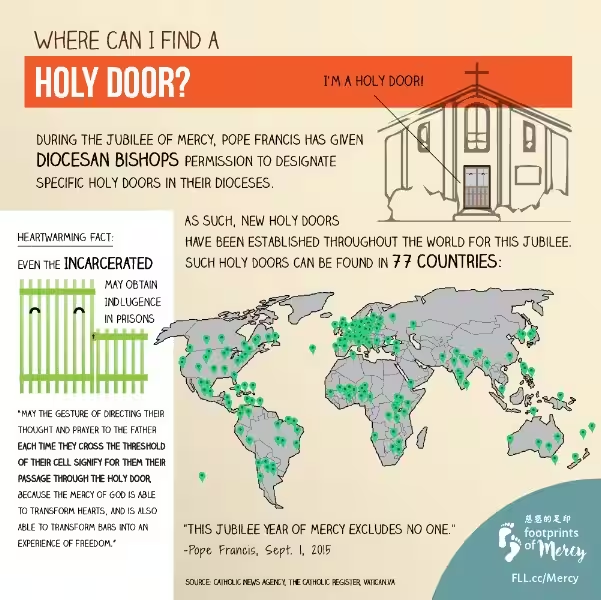
The most prominent Holy Door is located in St. Peter’s Basilica in Vatican City. During a Jubilee year, other major basilicas in Rome, such as St. John Lateran, St. Paul Outside the Walls, and St. Mary Major, also have their Holy Doors opened. Dioceses around the world may also designate a Holy Door in their local cathedral or a significant shrine.
What is a Jubilee year?
A Jubilee year, also known as a Holy Year, is a special period of prayer, conversion, and penance in the Catholic Church. It is a time when the Church emphasizes God’s mercy and forgiveness. The tradition of Jubilee years dates back to the 14th century, originally established by Pope Boniface VIII.
What are the requirements to receive the Jubilee indulgence?
To receive the Jubilee indulgence, the faithful are generally required to: undertake a spiritual pilgrimage to a designated Holy Door, pass through it with the intention of receiving the Jubilee grace, and fulfill the customary conditions: receive sacramental confession, receive Holy Communion, and pray for the Pope’s intentions.
Who is responsible for designating and opening the Holy Doors?
The Holy Father, the Pope, is responsible for proclaiming a Jubilee year and for opening the Holy Door of St. Peter’s Basilica. He also authorizes the opening of Holy Doors in other Roman basilicas and may grant permission for dioceses worldwide to designate their own Holy Doors.