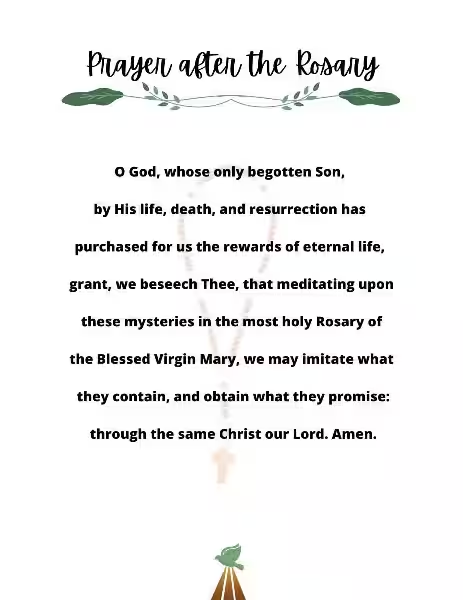
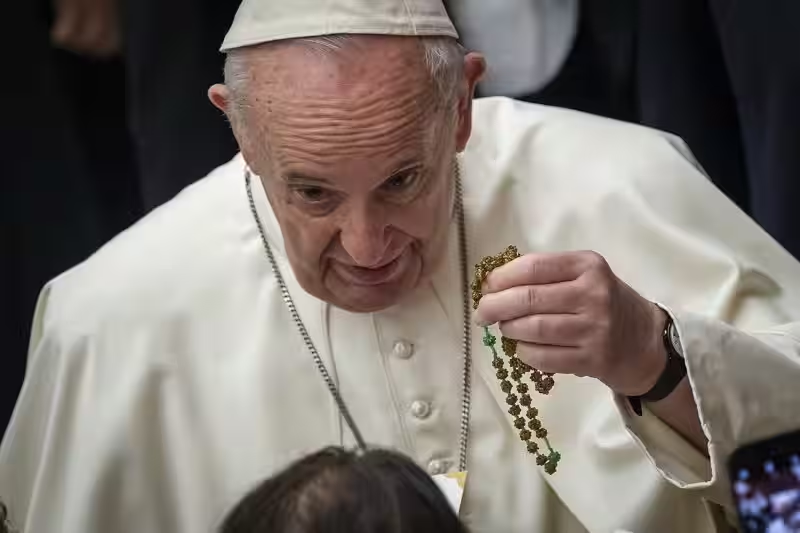
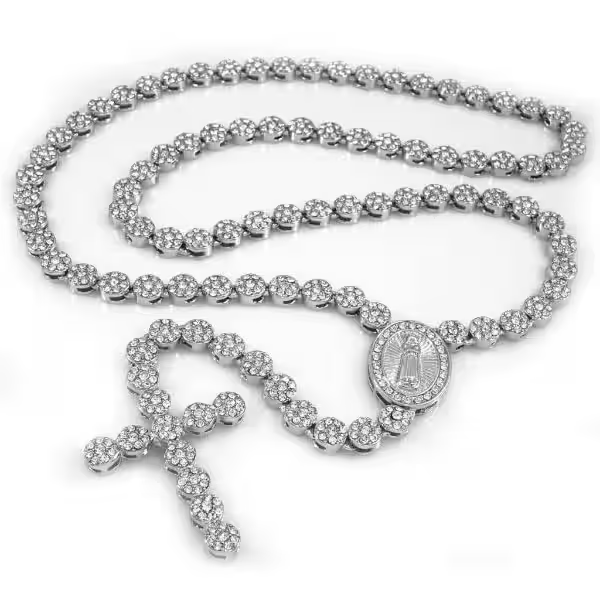
In the tapestry of Catholic devotion, the Rosary stands as a powerful and cherished prayer. More than just a string of beads, it’s a meditative journey through the life of Jesus and Mary, offering solace, strength, and a profound connection to the divine. For many, the end rosary prayer marks a special moment, a culmination of contemplation and petition, a final entrustment of their intentions to God’s loving care. Whether you are a seasoned practitioner or just beginning to explore this sacred devotion, understanding the significance and practice of the end rosary prayer can deepen your spiritual life.
This article delves into the heart of the Rosary, exploring its origins, its structure, and the unique beauty of its conclusion. We’ll uncover how the end rosary prayer serves as a powerful closing, a moment of grace that leaves us feeling renewed and uplifted. Imagine the quiet stillness of a chapel after Mass, the gentle murmur of prayers fading, and then, the profound peace that settles as the final “Amen” is spoken – that’s the essence of the end rosary prayer.
Unveiling the Mysteries: The Rosary as a Spiritual Walk
The Rosary is often described as a “spiritual walk” through the significant events in the lives of Jesus and Mary. It’s not simply reciting words; it’s about meditating on the Mysteries of the Rosary. These Mysteries are divided into four categories: the Joyful, the Luminous, the Sorrowful, and the Glorious. Each set offers a unique lens through which to view the unfolding drama of salvation history. For instance, contemplating the Annunciation in the Joyful Mysteries allows us to reflect on Mary’s humble acceptance of God’s will, a powerful lesson in obedience and faith.
As we move through each decade, reciting the Our Father, ten Hail Marys, and a Glory Be, our minds are invited to ponder the specific event associated with that Mystery. This repeated rhythm, coupled with the sacred words, creates a contemplative state. Think of it like walking a familiar path in nature; with each step, you notice new details, gain new perspectives, and feel a deeper connection to your surroundings. Similarly, with each Mystery, we draw closer to understanding God’s love and plan for us.
The Structure of Contemplation: From Beginning to End
A typical Rosary prayer begins with the Sign of the Cross, followed by the Apostles’ Creed, an Our Father, three Hail Marys (for faith, hope, and charity), and a Glory Be. Then, the prayers for each Mystery commence, with an intention set for each decade. This structured approach provides a framework for our reflections, ensuring a comprehensive journey through the life of Christ. It’s a carefully designed pathway, leading us step-by-step through profound spiritual truths.
The beauty of the Rosary lies in its adaptability. While there’s a traditional structure, individuals can tailor their prayers and reflections to their personal needs and spiritual growth. The end rosary prayer, however, often carries a specific weight. It’s the moment where we can offer our completed prayers, our heartfelt petitions, and a final surrender of our worries and hopes into the hands of God. This concluding phase solidifies the meditative experience.
The Significance of the End Rosary Prayer: A Moment of Grace
The end rosary prayer is more than just saying “Amen.” It is a deliberate act of concluding our spiritual journey for that particular session. It’s a time to offer a final prayer of thanksgiving for the grace received, to entrust any unvoiced intentions, and to seek God’s blessing upon ourselves and others. Imagine a traveler reaching their destination; the end rosary prayer is like that moment of arrival, a feeling of accomplishment, peace, and gratitude for the journey undertaken.
Often, the end rosary prayer includes specific concluding prayers such as the Hail Holy Queen (Salve Regina) and a final prayer to St. Joseph or the Sacred Heart. These prayers are not merely tacked on; they are integral to the Rosary’s spiritual richness. They offer a powerful plea for Mary’s intercession and a profound expression of our devotion to her and her Son. The end rosary prayer is a testament to our enduring hope and trust in God’s boundless mercy.
Common Concluding Prayers and Their Meaning
The Hail Holy Queen is a cornerstone of the end rosary prayer. This beautiful hymn of praise addresses Mary as “Mother of Mercy,” acknowledging her role as a compassionate intercessor. It continues, “Hail, our life, our sweetness and our hope!” This phrase encapsulates the profound comfort and guidance Catholics find in the Blessed Mother. The prayer then implores her to turn her eyes of mercy towards us and show us Jesus, the blessed fruit of her womb, after this life.
Following the Hail Holy Queen, a final prayer is often offered. This might be a prayer for the intentions of the Holy Father, a prayer for peace, or a personal petition. The end rosary prayer is a perfect opportunity to offer these specific requests. For example, you might pray, “For all those suffering, for peace in the world, and for the guidance of our leaders, we pray.” These concluding petitions add a layer of directed intention to the overall prayer experience, transforming the end rosary prayer into a potent act of intercession.
Integrating the End Rosary Prayer into Daily Life
Making the Rosary a regular part of your life, including the end rosary prayer, can profoundly impact your spiritual well-being. It’s a practice that can be adapted to busy schedules. Even a few minutes spent meditating on a single Mystery, with the concluding prayers, can be a source of strength. Think of it as a “spiritual snack” – a quick but nourishing boost for your soul throughout the day.
The end rosary prayer offers a consistent and reliable way to conclude our spiritual conversations with God. It provides a sense of closure and a final entrustment of our day, our struggles, and our joys. Whether recited in the morning to start the day with intention, in the afternoon for a moment of reflection, or in the evening as a preparation for rest, the end rosary prayer serves as a beautiful and powerful conclusion.
Practical Tips for a Meaningful End to Your Rosary
To enhance the experience of the end rosary prayer, consider these practical tips:
Set a clear intention: Before beginning your Rosary, decide what you want to pray for. During the end rosary prayer, you can specifically offer these intentions.
Find a quiet space: Minimize distractions to allow for deeper meditation and a more impactful end rosary prayer.
Reflect on the Mysteries: Don’t just say the words; try to visualize the events. This makes the end rosary prayer a more personal and engaging experience.
Vary your concluding prayers: Explore different traditional prayers for the end rosary prayer to discover which resonate most with you.
Be consistent: Even short Rosaries with a focused end rosary prayer are beneficial. Consistency builds spiritual muscle.
The end rosary prayer is a sacred moment, a time to gather the fruits of our meditation and place them at the foot of the cross. It’s a promise of continued faith and a testament to our unwavering belief in God’s love and mercy. By understanding and embracing the end rosary prayer, we unlock a deeper dimension of this beloved devotion, allowing its peace and power to permeate our lives.
Frequently Asked Questions about the End Rosary Prayer
What is the purpose of the end rosary prayer?
The end rosary prayer, often referred to as the “Concluding Prayers” or “Final Prayers,” serves to formally conclude the recitation of the Rosary. These prayers typically include the Hail Holy Queen (Salve Regina), the prayer to St. Michael the Archangel, and sometimes a brief prayer for the intentions for which the Rosary was prayed. They are meant to offer a final petition and entrust oneself and one’s intentions to God and the intercession of Mary.
What religion is the end rosary prayer a part of?
The end rosary prayer is a practice within the Catholic Church. The Rosary itself is a devotional prayer that centers on the life of Jesus Christ, with the Blessed Virgin Mary as a meditative guide.
Are there specific prayers that constitute the end rosary prayer?
Yes, the most common concluding prayers include:
* The Hail Holy Queen (Salve Regina): A prayer of praise and petition to Mary as the Queen of Heaven and Earth.
* Prayer to St. Michael the Archangel: A prayer asking for St. Michael’s protection against evil.
* Other optional prayers: Sometimes, a personal prayer or a prayer for the specific intentions of the Rosary is added.
Can I add my own prayers at the end of the Rosary?
Absolutely. While there are traditional prayers for the conclusion of the Rosary, individuals are encouraged to offer their own personal prayers and petition for their specific needs and intentions at the end of the Rosary. The Rosary is a personal devotion, and flexibility is often welcomed.
Is the end rosary prayer mandatory in Catholic tradition?
While the traditional concluding prayers are highly encouraged and commonly recited, they are not strictly mandatory in the sense of invalidating the Rosary if omitted. The core of the Rosary lies in the meditation on the Mysteries and the recitation of the Our Fathers, Hail Marys, and Glory Be’s. However, reciting these concluding prayers is a customary and pious way to finish the devotion.