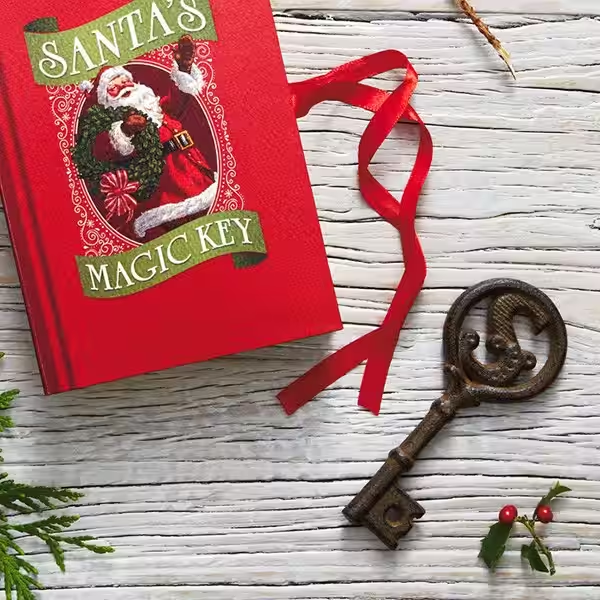
The shimmering magic of Christmas often conjures images of twinkling lights, festive carols, and the jolly figure of Santa Claus. But beneath the surface of this beloved cultural icon lies a deeper, more resonant theme that intertwines with ancient traditions and personal faith. For many, the concept of Santa keys isn’t just about a symbolic door opener for a bearded man delivering presents; it’s a profound metaphor for unlocking the spirit of generosity, selflessness, and even spiritual connection. This article will explore the multifaceted meaning of Santa keys, weaving in threads of religion, personal growth, and the enduring power of belief.
Imagine a child, wide-eyed and brimming with anticipation on Christmas Eve. They might leave out a plate of cookies and a glass of milk, a tangible offering to their belief in Santa. And sometimes, especially in stories or as a playful tradition, they might even leave out a special Santa key. This key, often ornate and placed on the hearth or by the fireplace, is more than just a prop; it’s a potent symbol that bridges the gap between the material and the magical, the seen and the unseen. It represents the child’s earnest desire to facilitate Santa’s arrival, to ensure the joyous bounty of Christmas can enter their home. This act of faith, in its purest form, mirrors the very foundations of many religious beliefs.
While Santa Claus himself is a secular figure, the traditions surrounding him often echo deeply rooted religious sentiments. The act of leaving out a Santa key can be seen as a parallel to the offerings and prayers made in various faith traditions. It’s an expression of hope, a tangible demonstration of trust in a benevolent force that will bring blessings. This isn’t to equate Santa with divine figures, but rather to highlight the shared human impulse to connect with something larger than ourselves, to express our desires and our faith through symbolic actions.
Consider the concept of faith itself. In many religions, belief isn’t always based on empirical evidence, but on a profound inner conviction. A child leaving a Santa key operates on a similar principle. They believe in Santa, and this belief empowers them to perform actions that, in their young minds, will ensure his visit. This parallels the way believers might engage in rituals, prayers, or acts of charity, not for guaranteed outcomes, but as expressions of their commitment and trust in a divine plan. The Santa key becomes a tangible representation of this inner work, a physical manifestation of their faith in the extraordinary.
Unlocking Generosity: The Heart of the Santa Key Tradition
Beyond the individual act of belief, the Santa key tradition also embodies the spirit of generosity, a core tenet in many religions. Santa Claus, by definition, is the ultimate giver. He embodies selfless giving, bringing joy and gifts without expectation of reward. The Santa key, in this context, is the facilitator of this giving. It’s the tool that allows the spirit of abundance and goodwill to flow into our lives and the lives of others.
Think about the practical application of this idea. When we embrace the spirit of the Santa key, we are reminded to open our own hearts and homes to generosity. This can manifest in many ways: donating to charity, volunteering our time, or simply offering kindness to a stranger. The Santa key serves as a beautiful metaphor for actively participating in the cycle of giving. It encourages us to be conduits of good, just as Santa is portrayed. This resonates deeply with religious teachings that emphasize sharing our blessings and helping those in need. For example, many faiths have traditions of tithing or almsgiving, directly inspired by the principle of generosity.
Santa Keys as Symbols of Access and Opportunity
The very nature of a key is to grant access, to unlock doors that would otherwise remain shut. In the context of Santa keys, this symbolism extends beyond the physical entrance of a home. It can represent unlocking new opportunities, opening our minds to new possibilities, and gaining access to inner peace and fulfillment. The belief in Santa, and the accompanying Santa key, can inspire a sense of wonder and possibility that encourages us to look beyond limitations.
This idea of unlocking potential is a powerful one, deeply intertwined with religious narratives of spiritual growth and enlightenment. Many spiritual journeys involve seeking keys to understanding, to divine connection, or to personal transformation. The Santa key, while whimsical, taps into this fundamental human desire to find the right ‘key’ to unlock our best selves and to experience the fullness of life. It’s about believing that there are ways to access the blessings and joys that await us, if only we are open and willing to seek them.
The act of Santa leaving gifts is a one-way street of pure giving. However, the tradition of the Santa key introduces a subtle reciprocal element. The child offers the key, a gesture of welcome and invitation. This mirrors the concept in many religions where human actions, such as prayer, devotion, or good deeds, are seen as ways to invite divine grace and blessings into one’s life. It’s a partnership, a beautiful exchange between the earthly and the ethereal, facilitated by a simple, yet potent, Santa key.
This exchange isn’t about earning favor, but about fostering a connection. When we offer our own forms of “keys” – our acts of kindness, our prayers, our willingness to be open and receptive – we create an environment where positive energy can flow. The Santa key reminds us that we have a role to play in inviting good into our lives and the lives of others. It’s about actively participating in the creation of a more joyful and abundant world, an endeavor that is central to many religious teachings about building a better society.
Passing Down the Legacy: Faith and the Santa Key
The tradition of the Santa key is often passed down from parents to children, much like religious traditions are nurtured through generations. This act of passing on the ritual, the story, and the belief itself, reinforces the enduring power of faith and the importance of shared values. Each generation that places a Santa key by the fireplace is, in a sense, participating in a continuum of hope and generosity.
This intergenerational transmission is a cornerstone of religious practice. Stories of faith, moral lessons, and the importance of community are communicated through shared rituals and traditions. The Santa key becomes a tangible link to these deeper values, reminding us of the importance of fostering belief, wonder, and generosity in the younger generation. It’s a way of ensuring that the spirit of Christmas, and the profound lessons it can teach, continues to shine brightly, unlocking hearts and minds for years to come.
The Universal Language of Giving and Receiving
Ultimately, the concept of Santa keys speaks to a universal human experience: the joy of giving and the gratitude for receiving. While the figure of Santa Claus is culturally specific, the underlying principles of generosity, hope, and the belief in something good are shared across all faiths and cultures. The Santa key serves as a charming, accessible entry point into these profound themes.
Whether you believe in the literal magic of Santa or see him as a personification of the Christmas spirit, the Santa key offers a valuable lesson. It encourages us to open our metaphorical doors to kindness, to offer what we can, and to remain open to the blessings that life, and the generosity of others, can bring. It’s a reminder that sometimes, the simplest of symbols can unlock the greatest of joys and the deepest of connections, echoing the timeless wisdom found within religious teachings about the power of an open heart.
Frequently Asked Questions about Santa Keys
What are Santa Keys?
Santa Keys are magical keys that are said to unlock doors for Santa Claus on Christmas Eve, allowing him to deliver presents to children who may not have a chimney. They are often left out by children along with cookies and milk for Santa.
Are Santa Keys a religious tradition?
No, Santa Keys are not a religious tradition. They are a secular, folkloric element associated with the secular celebration of Christmas and the character of Santa Claus.
Do Santa Keys have any connection to specific religions?
Santa Keys do not have any intrinsic connection to any specific religion. They are part of a modern, widely adopted tradition that exists independently of religious beliefs.
Is there a religious meaning behind Santa Keys?
There is no religious meaning behind Santa Keys. They are a playful and imaginative part of the Santa Claus mythos, focused on the joy and magic of gift-giving during the Christmas season.
Can people of any religion use Santa Keys?
Yes, people of any religion, or no religion at all, can participate in the tradition of leaving out Santa Keys. The tradition is a cultural one, not tied to any religious doctrine.