The Rosary, a centuries-old devotional practice deeply rooted in Catholic tradition, offers a profound pathway to prayer and meditation. More than just a string of beads, it’s a sacred tool that helps believers focus their minds and hearts on key moments in the lives of Jesus and Mary. While its core purpose remains consistent – to foster a deeper connection with the divine – the world of rosaries is surprisingly rich and varied, offering a tapestry of rosary types that cater to different needs, preferences, and even theological emphases. Understanding these variations can unlock new dimensions of this beloved devotion, making it even more personal and impactful for those who engage with it.
For many, the mere mention of the rosary conjures images of a simple string of beads. However, delving deeper reveals a spectrum of options, from the most common and traditional to specialized forms designed for specific prayers or intentions. This exploration is not just about aesthetics; it’s about appreciating the religious significance woven into each design and the unique spiritual journey each can facilitate. Whether you’re a seasoned practitioner looking to deepen your understanding or a newcomer curious about this powerful prayer, discovering the different rosary types can be an enlightening experience.
The Foundation: Understanding the Traditional Rosary Structure
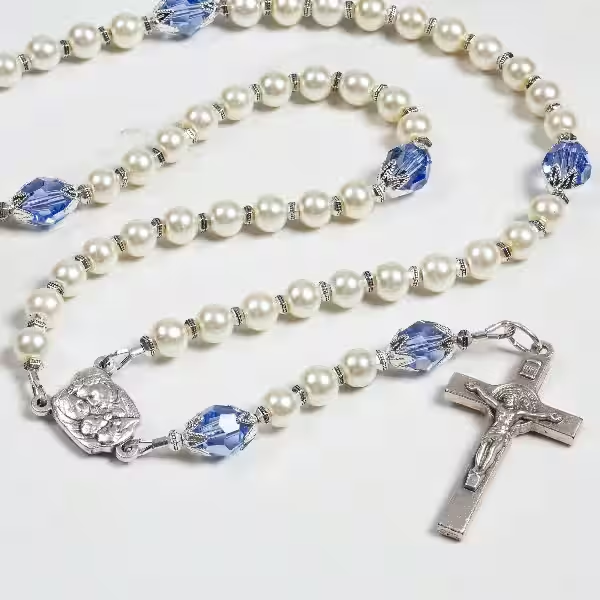
At its heart, the traditional rosary is a meditative prayer that follows a specific sequence of events from the Gospels, known as the Mysteries. These narratives are divided into four sets: the Joyful Mysteries, the Luminous Mysteries, the Sorrowful Mysteries, and the Glorious Mysteries. Each Mystery is contemplated while reciting a specific set of prayers: one Our Father, ten Hail Marys, and one Glory Be. A crucifix, an initial large bead for the Our Father, and groups of ten smaller beads separated by larger beads (called decades) form the physical structure of a standard rosary. This methodical approach allows for a structured contemplation, helping the mind to settle and the heart to open.
The physical manifestation of this prayer is the rosary itself, a string of beads designed to be held and manipulated during prayer. The number and arrangement of beads are significant, acting as tactile markers for each prayer. A typical rosary will have 150 Hail Mary beads (representing the 150 Psalms, a historical connection), plus additional beads for the opening prayers and the Our Fathers that precede each decade. The crucifix, often ornate, serves as the starting point and closing symbol of the devotion. This physical interaction with the beads is not merely mechanical; it’s a way to engage the senses, grounding the prayer and making it accessible even amidst distractions. The religious symbolism inherent in the crucifix and the beads themselves amplifies the contemplative experience.
Exploring the Classic Rosary Types
When people refer to “rosary types,” they are often thinking about variations on the traditional theme, distinguished by material, design, or a slight alteration in the prayerful focus. The most common classification is by the number of decades, with the most prevalent being the five-decade rosary. This is the rosary most readily available and used for the daily recitation of one set of Mysteries. Its compact size makes it convenient for carrying in a pocket or purse, ensuring that this spiritual tool is always at hand.
Beyond the five-decade model, you’ll encounter the thirty-three-day rosary, often used for intensive novenas or specific petitions that require sustained prayer. This type features thirty-three beads, representing the years of Christ’s life on earth, and is typically prayed with a specific intention for an extended period. Another significant, though less common, type is the 150-bead rosary, a direct reflection of the traditional 150 Psalms. While it can be more cumbersome to handle, it allows for the recitation of all 150 Hail Marys in a single session, offering a comprehensive and deeply meditative experience for the devout. These different configurations highlight the adaptability of the rosary for various levels of devotion and commitment, each carrying its own unique religious weight.
Beyond the Basics: Specialized Rosary Forms
The world of rosary types extends far beyond the standard five-decade string. Recognizing the diverse needs of the faithful, the Church and devotional communities have developed specialized rosaries that cater to specific intentions, spiritual disciplines, or even particular saints. These variations offer a more tailored approach to prayer, allowing individuals to align their rosary practice with specific spiritual goals or devotionals. Each type, while structurally different, maintains the core meditative essence of the rosary.
One such specialized form is the Chaplet of Divine Mercy. This rosary uses a standard five-decade rosary but is prayed with a specific intention focused on the Divine Mercy of Jesus, as revealed to Saint Faustina Kowalska. The prayers themselves are distinct, featuring the famous “Eternal Father” prayer and the “For the sake of His sorrowful Passion” invocation. Another example is the Scapular Rosary, which combines the devotional aspects of a scapular (a garment worn by some religious orders) with the beads of a rosary. These are often designed for ease of use, allowing the wearer to have both their scapular and rosary readily accessible for prayer. The Miraculous Medal Rosary also falls into this category, featuring the Miraculous Medal, a powerful symbol of Mary’s intercession, prominently incorporated into its design. These specialized rosary types demonstrate the dynamic and evolving nature of Catholic devotion, offering a rich array of options for personal spiritual growth.
The Power of the Chaplet: A Condensed Devotion
Chaplets, in general, represent a more condensed form of the rosary, often focusing on a specific aspect of Jesus’ Passion, Mary’s Sorrows, or the intercession of a particular saint. While they utilize beads, the number and arrangement are typically different from the traditional rosary. For instance, the popular St. Michael Chaplet typically consists of nine sets of three beads, each set dedicated to one of the nine choirs of angels. This allows for a focused prayer on angelic protection and intercession, making it a potent tool for spiritual warfare and defense.
Similarly, the Franciscan Crown Rosary is a beautiful example of a chaplet with a distinct structure and purpose. It consists of seven decades, each honoring one of the seven joys and seven sorrows of Mary. This seven-part structure is a deliberate choice, often linked to the seven days of the week, allowing for a daily focus on different aspects of Mary’s life and her role in salvation history. These chaplets, though perhaps less known than the full rosary, offer a deeply meaningful and often more accessible way to engage in contemplative prayer, especially for those who may find the length of the traditional rosary challenging. The religious devotion encapsulated in these smaller, focused prayers is just as profound.
Materials Matter: The Aesthetics and Symbolism of Rosary Beads
The material from which a rosary is made is far from being a mere aesthetic choice; it carries significant symbolic weight and can deeply influence the tactile and spiritual experience of the prayer. From humble wood to precious metals and gemstones, the choice of material connects the physical rosary to the spiritual realities it represents. The enduring appeal of rosary types is also tied to the variety of materials available, allowing for a deeply personal connection to this devotional tool.
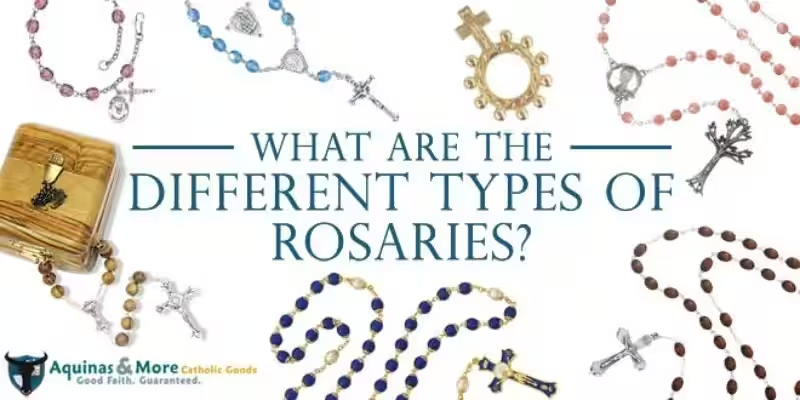
Traditional rosaries are often made from wooden beads. These can range from simple, unvarnished wood, evoking a sense of humility and grounding, to finely polished woods like rosewood or olive wood, which carry their own natural beauty and subtle fragrance. For those seeking a more durable and often more visually striking option, glass beads are extremely popular. These come in a dazzling array of colors, from deep blues and vibrant reds to clear, shimmering crystal, each color potentially carrying its own symbolic meaning within religious contexts. For a touch of elegance and permanence, metal rosaries, crafted from materials like sterling silver, brass, or even gold, are also cherished. These often feature intricate designs on the crucifix and center medal, adding a layer of artistry to the devotion.
Precious and Semi-Precious Stones: Enhancing Devotion
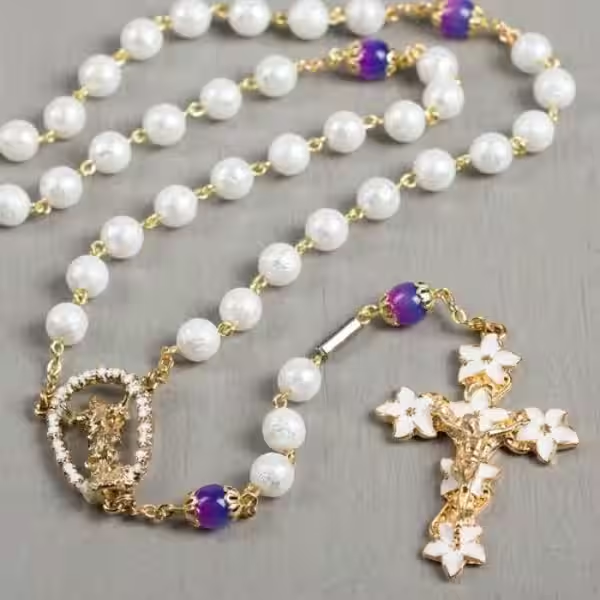
For those who appreciate the deeper symbolism and inherent beauty of gemstones, rosaries made with precious and semi-precious stones offer a unique and powerful devotional experience. Each stone is believed to possess its own unique properties and historical associations, which can further enrich the contemplative aspect of the rosary. For example, a rosary made with lapis lazuli might be chosen for its association with the heavens and truth, while amethyst is often linked to spirituality, peace, and protection. Garnet might be chosen for its association with passion and life force, and pearls, with their luminescence, can symbolize purity and the Virgin Mary herself.
Beyond their symbolic meanings, the tactile sensation of holding a rosary made from polished stones can be incredibly grounding and soothing. The natural variations in color and texture within a single stone, or across a set of beads, can serve as a constant reminder of the intricate beauty of God’s creation. These rosary types, while often more of an investment, offer a tangible link to the earth and the natural world, connecting the spiritual journey to the material reality in a profound and beautiful way. The religious significance is amplified by the inherent qualities of these natural wonders.
Choosing Your Path: Finding the Right Rosary for You
Navigating the diverse world of rosary types can feel like embarking on a personal spiritual quest. The key is to remember that the “best” rosary is not necessarily the most expensive or the most elaborate, but rather the one that most resonates with your heart and aids you in your prayer life. Consider your personal style, your spiritual goals, and the practicalities of daily use when making your selection. The journey of finding the right rosary is an intimate one, often guided by intuition and a desire for deeper connection.
If you are new to the rosary, starting with a simple, five-decade rosary made of wood or durable plastic is often a wise choice. It allows you to learn the prayers and meditations without feeling overwhelmed by complexity or fragility. As your devotion deepens, you might find yourself drawn to rosaries made of specific materials, perhaps a gemstone that holds personal meaning, or a chaplet designed for a particular prayer intention that has captured your heart. Don’t be afraid to experiment and explore different rosary types; the religious journey is one of constant discovery and growth, and your rosary can be a faithful companion on that path.
A rosary is a string of beads used for prayer and meditation, primarily in the Catholic tradition. It helps the devotee keep track of prayers and focus their mind.
What are the different types of rosaries?
There are several types of rosaries, including the traditional Catholic rosary (with 5 decades), the Chaplet of Divine Mercy, the Scapular Rosary, and various other devotional chaplets that may use beads but have different prayer structures.
What is the difference between a rosary and a chaplet?
While often used interchangeably, a rosary typically refers to the Catholic rosary with 15 or 20 decades of Hail Marys, Our Fathers, and Glorias, structured around the Mysteries of the Rosary. A chaplet is a broader term for a shorter prayer string, often with fewer beads and a specific devotion, like the Chaplet of Divine Mercy.
Are there different kinds of beads used in rosaries?
Yes, rosary beads can be made from a wide variety of materials, including wood, glass, plastic, metal, semi-precious stones, and even seeds or olive pits. The material often holds personal or spiritual significance for the owner.
Does the Catholic Church have specific rules about rosary beads?
The Catholic Church does not mandate specific materials for rosary beads. The important aspect is the prayer and devotion associated with using them. However, rosaries used for indulgences must be blessed by a priest or deacon.
Can people of other religions use rosaries?
While the rosary is most strongly associated with Catholicism, other traditions have similar prayer beads. Many individuals from different faith backgrounds find the meditative and focused nature of prayer beads beneficial for their own spiritual practices.
What is the significance of the crucifix on a rosary?
The crucifix is an integral part of the rosary. It is often kissed at the beginning of the prayer and serves as a visual reminder of Christ’s sacrifice and redemption.
How many beads are on a typical Catholic rosary?
A standard Catholic rosary has 59 beads: a crucifix, one medal (often at the beginning), one bead for the Our Father, three beads for Hail Marys, and then 5 sets of 10 Hail Mary beads (decades) separated by a bead for an Our Father.
What are the Mysteries of the Rosary?
The Mysteries of the Rosary are events from the lives of Jesus and Mary that are meditated upon during the recitation of the rosary. They are divided into the Joyful, Luminous, Sorrowful, and Glorious Mysteries.
Is there a specific way to pray the rosary?
Yes, there is a traditional method that involves reciting specific prayers (Sign of the Cross, Apostles’ Creed, Our Father, Hail Mary, Glory Be) while meditating on the Mysteries of the Rosary. The structure guides the prayer through each bead.