The Catholic Mass is a cornerstone of faith for millions worldwide, a weekly (or even more frequent) gathering that offers spiritual renewal, communal connection, and an encounter with the divine. For those new to the faith, returning after a hiatus, or simply seeking a deeper understanding, the nuances of attending Mass can sometimes feel a little perplexing. Fear not! This article aims to demystify the Catholic Mass guidelines, transforming them from a set of rigid rules into a roadmap for a rich and fulfilling liturgical experience. We’ll explore the “why” behind these guidelines, making them relatable and accessible, so you can approach each Mass with confidence and reverence.
At its heart, Catholic Mass guidelines are rooted in fostering an atmosphere of reverence and respect for the most sacred event in the Catholic faith. This isn’t about arbitrary restrictions; it’s about creating a sacred space where individuals can fully engage with God and the community. Think of it like preparing for a special guest: you tidy your home, dress appropriately, and quiet your mind to give them your undivided attention. Similarly, the guidelines for Mass are designed to help us focus our hearts and minds on the Eucharistic Sacrifice.
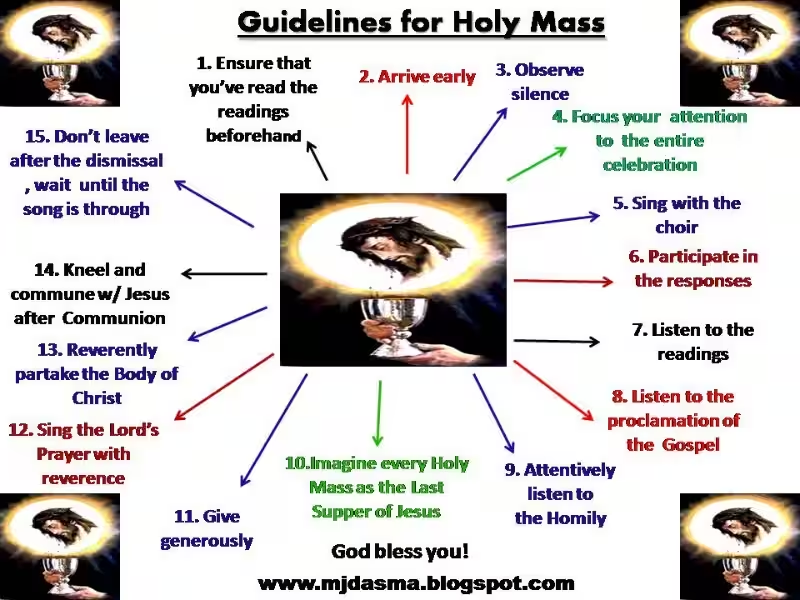
The environment of a Catholic church is intentionally designed to facilitate this reverence. From the altar and tabernacle, signifying the real presence of Christ, to the stained-glass windows that often depict biblical stories, every element points towards God. Therefore, understanding and adhering to the general conduct guidelines helps maintain this sacred atmosphere. This includes silence before and after Mass, minimizing chatter and phone usage, and dressing in a manner that reflects the dignity of the occasion.
Preparing Your Heart and Mind: Before the Mass Begins
The preparation for Mass begins long before you step through the church doors. Catholic Mass guidelines encourage a mindful approach, encouraging us to transition from the hustle and bustle of daily life into a prayerful disposition. This means actively choosing to leave behind distractions and to open ourselves to the spiritual encounter that awaits. It’s a conscious decision to set aside worldly concerns and embrace a spirit of prayer.
One crucial aspect of this preparation is practicing silence and personal prayer. While the church is a place of community, it is also a sanctuary for individual communion with God. Therefore, observing quiet contemplation before the service starts allows for introspection, an examination of conscience, and a moment to ask for God’s grace. This can be as simple as reciting a familiar prayer or reflecting on a Bible verse. Furthermore, attending Mass with a prayerful intention, perhaps for a specific need or person, can significantly deepen the experience.
Understanding the Liturgical Seasons and Their Significance
The Catholic Church observes various liturgical seasons, each with its own character, themes, and corresponding decorations and music. These seasons are not mere calendar divisions; they are designed to help us journey through the life of Christ and the history of salvation. Familiarizing yourself with these seasons, such as Advent, Christmas, Lent, and Easter, enriches your understanding of the Mass and its unfolding narrative. For instance, the vibrant colors of vestments change to reflect the mood of the season: purple for penitence and preparation during Advent and Lent, white for joy and purity during Christmas and Easter, and green for hope and growth during Ordinary Time.
Each season offers a unique lens through which to view the mysteries of faith. Advent, for example, is a time of expectant waiting for the coming of Christ, marked by themes of hope and preparation. The readings and music often focus on prophecies and the longing for salvation. In contrast, Lent is a period of intense prayer, fasting, and almsgiving, preparing us for the solemnity of Easter and the remembrance of Christ’s sacrifice. Understanding these seasonal shifts in emphasis helps us to better appreciate the specific readings, prayers, and hymns chosen for each Mass.
Active Participation: What to Do and When
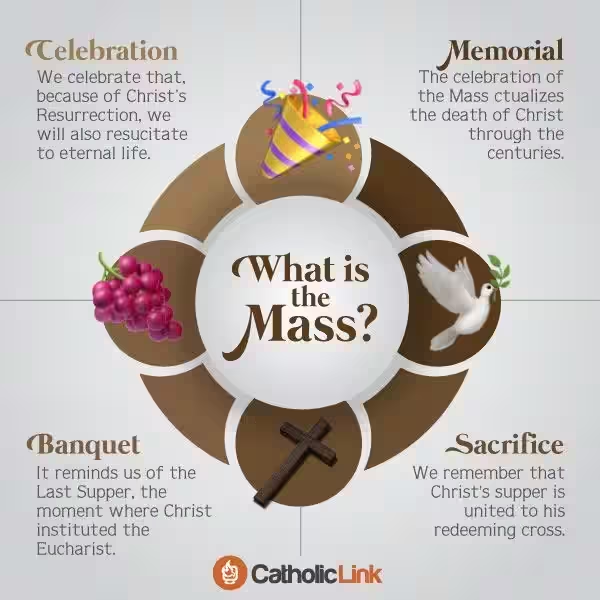
The Mass is not a passive spectator sport; it is an active and communal participation in the offering of sacrifice and the receiving of Christ’s Body and Blood. Catholic Mass guidelines encourage us to engage with the liturgy through our words, actions, and attention. This participation is a sign of our unity with Christ and with our fellow believers. It’s about being present not just physically, but spiritually and intellectually.
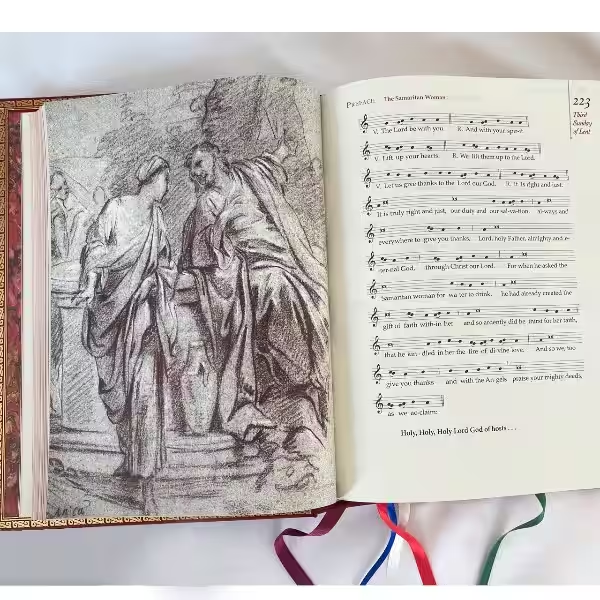
A fundamental aspect of active participation is responding to the prayers and singing the hymns. You’ll notice the priest or deacon will often prompt specific responses, such as “And with your spirit” or “Thanks be to God.” These are not mere formalities but declarations of faith and assent to what is being proclaimed. Similarly, singing the hymns fosters a sense of unity and shared devotion. Even if you don’t know all the words, making an effort to join in is a beautiful expression of communal worship.
The Flow of the Mass: Key Moments and Actions
Understanding the structure of the Mass can greatly enhance your experience. While variations exist, the general order remains consistent. It typically begins with the Introductory Rites, which prepare us for worship. This includes the Entrance Antiphon, the Sign of the Cross, the Penitential Act (where we confess our sins), the Kyrie Eleison (Lord, have mercy), the Gloria (Glory to God), and the Opening Prayer. These initial moments are crucial for gathering our hearts and minds and asking for God’s mercy and blessing.
Following the Introductory Rites are the Liturgy of the Word, where we hear Scripture readings and a homily that applies these readings to our lives. This is a time for listening attentively and reflecting on God’s spoken word. Then comes the Liturgy of the Eucharist, the heart of the Mass, where bread and wine are consecrated and become the Body and Blood of Christ. Key actions during this part include:
The Offertory: When the gifts of bread and wine are brought to the altar.
The Eucharistic Prayer: The central prayer of thanksgiving and consecration.
The Our Father: A communal prayer of petition.
The Sign of Peace: A gesture of reconciliation and unity.
Communion: The reception of the Eucharist.
The Concluding Rites: Blessing and dismissal.
Each of these moments has a specific purpose and calls for a particular response, all guided by Catholic Mass guidelines that aim to deepen our encounter with Christ.
Receiving Holy Communion: A Sacred Encounter
Receiving Holy Communion is the most intimate moment of the Mass, a profound encounter with Jesus Christ. Catholic Mass guidelines are particularly important here, ensuring that this sacred act is approached with the reverence and spiritual preparedness it deserves. It is the ultimate expression of our unity with Christ and the Church. This is not just a symbol; for Catholics, it is the actual presence of Jesus.
Before approaching the altar for Communion, it is essential to be in a state of grace. This means being free from grave sin. If you are aware of having committed a mortal sin, you should approach the Sacrament of Reconciliation (Confession) before receiving Communion. This is a matter of respect for the Blessed Sacrament. Furthermore, if you are not Catholic, or if you are Catholic but not fully initiated or are aware of being in a state of serious sin, you are invited to remain in your pew during Communion and make an Act of Spiritual Communion, offering your desire to be united with Christ.
Generally, believing Catholics who are in a state of grace and have observed the fasting requirement (abstaining from food and drink for at least one hour before receiving, except for water and medicine) are eligible to receive Holy Communion. The fasting rule is a small sacrifice that prepares us for a greater gift. For Catholics, this act signifies their full communion with the Church.
Non-Catholics, or Catholics who are not in full communion with the Church, are not permitted to receive Holy Communion. This is not intended to exclude but rather to affirm the meaning of the Eucharist as a sign of unity within the Catholic Church. However, all are welcome to approach the altar for a blessing, typically indicated by crossing one’s arms over their chest. This gesture is a beautiful reminder that everyone is welcome to receive God’s grace in different ways.
Dress and Demeanor: Presenting Your Best Self
The way we present ourselves at Mass speaks volumes about our respect for the occasion. While there aren’t strict dress codes in the same way there might be for a formal event, Catholic Mass guidelines encourage modest and respectful attire. Think of it as dressing for an important meeting or a visit to a respected elder. We want to show that we take this encounter seriously.
This means avoiding overly casual or revealing clothing. While jeans and t-shirts are generally acceptable in many parishes, dressing in a more dignified manner, such as wearing a dress, skirt, slacks, or a collared shirt, is often preferred. The goal is to minimize distractions for yourself and others, allowing everyone to focus on the liturgy. This also extends to our demeanor, which should be one of prayerful attentiveness and respect.
Minimizing Distractions for a Focused Worship
In our modern world, distractions are everywhere. Catholic Mass guidelines aim to help us minimize these so that the Mass can be the spiritual focal point it is meant to be. This is why turning off or silencing mobile phones is paramount. A ringing or vibrating phone can disrupt the solemnity of the liturgy for everyone. Similarly, avoiding unnecessary talking before and after Mass is encouraged to maintain a prayerful atmosphere.
For families with young children, the presence of little ones is a joyful part of the community. However, Catholic Mass guidelines also offer practical advice for managing the inevitable moments of restlessness. This might include bringing quiet toys or books, having a designated cry room if available, or taking a short break outside if a child becomes overly distressed. The aim is to support families in their participation while ensuring the reverence of the Mass is preserved for all.
Conclusion: Embracing the Sacred Journey
Understanding and embracing the Catholic Mass guidelines is not about adhering to a rigid set of rules but about embarking on a sacred journey of faith. Each guideline serves to deepen our connection with God and with our community, transforming the Mass from a routine obligation into a profound spiritual encounter. By preparing our hearts, participating actively, and approaching the sacraments with reverence, we can truly experience the transformative power of this central act of Catholic worship.
So, the next time you attend Mass, remember that these guidelines are your allies in creating a meaningful experience. They are the compass that helps us navigate the sacred space, opening us to the boundless graces offered through the Eucharist and the Word of God. May your participation in the Mass be ever more joyful, prayerful, and spiritually enriching.
Frequently Asked Questions: Catholic Mass Guidelines
What is the purpose of attending Mass?
Attending Mass is a central act of worship for Catholics, fulfilling the commandment to keep holy the Lord’s Day. It is an opportunity to commune with God, to hear His word, and to receive Him in the Eucharist.
What are the basic expectations for behavior during Mass?
During Mass, reverence and respect are expected. This includes dressing modestly, arriving on time, refraining from unnecessary talking, silencing mobile devices, and participating actively in the prayers and responses.
What is the significance of specific actions during Mass, such as kneeling, standing, and sitting?
These postures are bodily prayers that express our disposition of worship and reverence. Standing typically signifies prayer or listening to the Gospel. Kneeling is a posture of adoration and penitence. Sitting is for listening to readings and the homily.
What is the Eucharist and how should one prepare to receive it?
The Eucharist is the sacrament of the Body and Blood of Jesus Christ, truly present under the appearances of bread and wine. To receive Holy Communion, one must be in a state of grace, meaning free from mortal sin, and have fasted from food and drink for at least one hour (water is permitted).
Can I receive Holy Communion if I am not Catholic?
No, in accordance with current Church law, only baptized Catholics who are in a state of grace may receive Holy Communion. Non-Catholic Christians are welcome to participate in the Mass and may approach the altar for a blessing if they so choose.
What is the role of the homily?
The homily is the sermon delivered by the priest or deacon after the Gospel reading. It explains the Scripture readings of the day and applies them to the lives of the faithful, offering spiritual guidance and encouragement.
Are children welcome at Mass? If so, what are the expectations for them?
Children are very welcome at Mass. Parents are encouraged to teach their children about the liturgy and to help them participate in appropriate ways. While some movement or noise is understandable, parents should strive to keep their children as reverent as possible.
What should I do if I arrive late for Mass?
If you arrive late, enter quietly and find a seat. It is important to participate in the Mass as fully as possible from where you are. If you arrive very late, it may be advisable to consult with the priest regarding the fulfillment of your Sunday obligation.
Is it permissible to leave Mass before the final blessing?
Leaving Mass before the final blessing is generally discouraged as it means departing before the final dismissal and blessing, which are integral parts of the liturgy. There may be rare and urgent circumstances for such an departure.
What is the proper attire for attending Mass?
While there are no strict dress codes, modest and respectful attire is appreciated. This means avoiding clothing that is overly revealing or distracting. Dressing as you would for a formal occasion shows honor to God and the sacredness of the Mass.