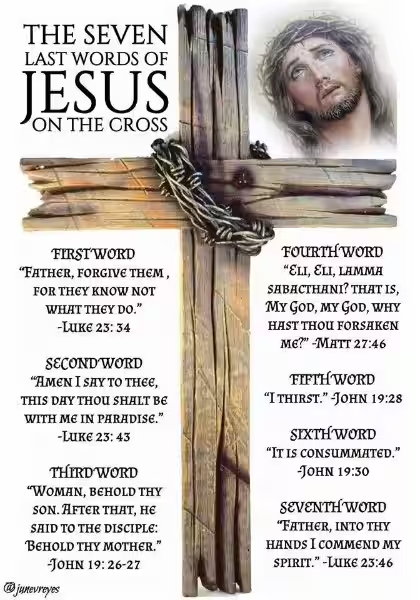
In the tapestry of human experience, threads of spirituality and faith weave through the fabric of our lives. For many, these threads are illuminated by the profound and enduring words from the Lord. These are not merely historical accounts or ancient pronouncements; they are living expressions of divine wisdom, love, and guidance, offering solace, direction, and a deeper understanding of our purpose. The journey of faith often begins with encountering these sacred utterances, which can resonate with us on a deeply personal level, shaping our worldview and influencing our actions. Whether found in scripture, whispered in prayer, or revealed through the quiet promptings of the spirit, the Lord’s words hold an unparalleled power to transform.
Understanding and internalizing these words from the Lord is a continuous process, an ongoing conversation between the divine and the human heart. It requires an open mind, a willing spirit, and a commitment to seek truth. This exploration isn’t about blind adherence, but about discerning the echoes of divine love in everyday life. The Lord speaks to us in countless ways, adapting His message to our unique circumstances and understanding. He offers principles that are eternal, yet He presents them in forms that are accessible and relatable to each generation. This adaptability makes the words from the Lord eternally relevant, a constant source of inspiration and strength.
Unveiling the Lord’s Message: Where to Find Divine Wisdom
The primary repository for the words from the Lord for many is found within sacred texts. These holy scriptures, passed down through millennia, are considered by believers to be divinely inspired. They contain narratives of creation, accounts of covenants, prophetic declarations, and teachings on righteous living. For example, the Ten Commandments offer a foundational ethical framework, a clear articulation of the Lord’s expectations for His children. Similarly, the Beatitudes, spoken by Jesus, reveal a different kind of righteousness, one rooted in humility, mercy, and a pure heart – principles that might surprise us if we only expected pronouncements of power or judgment. These texts are not meant to be static relics, but living guides, inviting us to engage with their timeless truths.
Beyond the written word, the words from the Lord can also be perceived through personal revelation and the promptings of the Holy Spirit. Many individuals testify to receiving divine guidance in moments of quiet contemplation, prayer, or even in the midst of challenging circumstances. This form of communication is often subtle, a gentle nudge, a feeling of peace, or an intuitive understanding that aligns us with God’s will. Consider the experience of making a significant life decision; sometimes, amidst the confusion, a clear sense of what is right and good emerges, a feeling that resonates with the principles found in divine teachings. This inner voice, when cultivated and respected, becomes another avenue through which the Lord’s words from the Lord can guide us.
The Transformative Power of Embracing the Lord’s Words
When we actively engage with and internalize the words from the Lord, a profound transformation can occur within us. This isn’t about cosmetic changes, but a deep-seated shift in our perspective, motivations, and actions. The Lord’s teachings often challenge our ingrained assumptions and societal norms, inviting us to adopt a higher standard of love, compassion, and integrity. For instance, the commandment to “love your neighbor as yourself” calls us to extend kindness and empathy even to those who may be different from us or who have wronged us – a radical idea in a world often driven by self-interest. Embracing this principle can dismantle barriers and foster reconciliation.
The practical application of the words from the Lord leads to a more meaningful and purposeful existence. When we align our lives with divine principles, we cultivate inner peace, build stronger relationships, and contribute positively to the world around us. For example, the counsel to be honest in all our dealings, a recurring theme in religious teachings, not only builds trust between individuals but also fosters a sense of personal integrity and self-respect. The Lord’s words provide a compass, helping us navigate the complexities of life with clarity and unwavering moral conviction. Ultimately, the words from the Lord are an invitation to a life of grace, purpose, and enduring joy.
Living by the Lord’s Principles: Practical Application in Daily Life
The true impact of the words from the Lord is realized when they are not just intellectually understood, but actively lived. This means translating divine principles into tangible actions, even in the smallest of ways. Consider the principle of forgiveness. While it may seem like a monumental task to forgive someone who has caused us deep pain, the words from the Lord consistently encourage this path. This isn’t about condoning wrong behavior, but about releasing ourselves from the burden of resentment and bitterness, which ultimately harms us more than anyone else. Practicing forgiveness, even in small increments, can begin to heal emotional wounds and foster healthier relationships.
Furthermore, the words from the Lord often guide us in our interactions with others, emphasizing virtues like patience, kindness, and humility. In the fast-paced, often demanding nature of modern life, these virtues can feel like a challenge. However, the Lord’s teachings provide a framework for navigating these challenges with grace. For instance, instead of reacting with frustration when encountering a difficult person or situation, we can choose to respond with patience and understanding, remembering the Lord’s example of compassion. This conscious effort to live by His principles, even when inconvenient, builds character and reflects the light of His teachings in our daily lives.
The Eternal Promise: Hope and Guidance in the Lord’s Utterances
At the heart of the words from the Lord lies an unwavering message of hope. Regardless of our past mistakes or present struggles, divine messages offer the promise of redemption, forgiveness, and a brighter future. This hope is not a passive wish, but an active assurance grounded in the Lord’s unchanging love and His eternal plan for humanity. The words from the Lord remind us that our journey on earth is temporary, and that there is an eternal perspective that transcends our current circumstances. This understanding can provide immense comfort and resilience when facing adversity.
Ultimately, the words from the Lord serve as an enduring source of guidance, illuminating our path and empowering us to live lives of purpose and meaning. They offer not just abstract doctrines, but practical wisdom that can be applied to every aspect of our existence. By continually seeking, studying, and striving to live according to these divine utterances, we draw closer to the divine and to a deeper understanding of ourselves and our place in the grand design. The words from the Lord are a constant invitation to growth, to love, and to an eternal connection that enriches our lives immeasurably.
Frequently Asked Questions about “Words from the Lord” and Religion
What is “Words from the Lord”?
“Words from the Lord” is a general term used to refer to divine revelations, teachings, or pronouncements believed to originate from a deity or God. These words can be conveyed through various means, such as prophets, sacred texts, spiritual experiences, or direct inspiration.
How do different religions interpret “Words from the Lord”?
The interpretation of “Words from the Lord” varies significantly across different religions.
Abrahamic Religions (Judaism, Christianity, Islam): These religions often point to sacred scriptures like the Torah, Bible, and Quran as direct or divinely inspired “Words from the Lord.” They believe these texts contain commandments, guidance, and narratives central to their faith.
Eastern Religions (Hinduism, Buddhism, Sikhism): While the concept might be framed differently, these traditions recognize sacred texts and teachings that are considered to convey profound spiritual truths or insights believed to be of ultimate origin. For example, the Vedas in Hinduism or the teachings of the Buddha.
Indigenous and Traditional Religions: Many indigenous spiritual practices involve receiving guidance or messages believed to be from spirits, ancestors, or a Great Spirit, which can be considered a form of “Words from the Lord” within their cultural context.
Not necessarily. While some religious traditions interpret their sacred texts as literal historical accounts or direct commands, others view them metaphorically, allegorically, or as containing deeper spiritual meanings that require interpretation. The understanding of “literal” can also differ between denominations within the same religion.
How can one discern true “Words from the Lord”?
Different religions offer various methods for discerning true divine words. Common approaches include:
Scriptural Authority: Comparing perceived messages against established sacred texts.
Spiritual Discernment: Relying on inner spiritual guidance, intuition, or the promptings of the Holy Spirit (in Christianity).
Community Consensus: Seeking confirmation or guidance from religious leaders and the broader religious community.
Fruit of the Spirit: Evaluating whether the message or teaching leads to positive spiritual and moral outcomes (love, peace, joy, etc.).
Alignment with Divine Nature: Assessing if the message is consistent with the perceived attributes of God or the divine (e.g., love, justice, mercy).
Is “Words from the Lord” exclusive to one religion?
From an academic or comparative religion perspective, the concept of divine communication is found across a multitude of faiths. However, within each religion, adherents often believe their specific scriptures or teachings represent the most authentic or complete “Words from the Lord” for humanity.
What is the role of “Words from the Lord” in religious practice?
“Words from the Lord” serve as the foundation for religious belief, practice, and ethics. They provide:
Moral and Ethical Guidelines: Dictating how adherents should live their lives.
Understanding of the Divine: Revealing the nature, will, and purposes of God.
Spiritual Formation: Guiding personal growth and relationship with the sacred.
Community Cohesion: Uniting believers around shared doctrines and traditions.
Hope and Meaning: Offering comfort, purpose, and a framework for understanding existence.