Milan, a city synonymous with fashion, finance, and artistic grandeur, holds within its bustling heart a profound spiritual legacy. Beyond the dazzling storefronts and iconic Duomo, lie places of deep devotion and historical significance. Among these, the St. Charles Crypt in Milan stands as a testament to faith, sacrifice, and the enduring power of a saintly figure. This sacred space, often overlooked by the hurried tourist, offers a unique window into the religious soul of this vibrant Italian metropolis, inviting contemplation and a connection to centuries of spiritual practice.
Exploring the St. Charles Crypt is more than just a historical excursion; it’s an immersive experience into the life and legacy of Saint Charles Borromeo, a pivotal figure in the Counter-Reformation and a beloved patron of Milan. The very air within the crypt seems to hum with a quiet reverence, a stark contrast to the energetic pulse of the city above. It is a place where the material and the spiritual converge, offering solace, inspiration, and a profound sense of peace to all who enter its hallowed chambers.
Discovering St. Charles Borromeo: A Shepherd of Faith
Saint Charles Borromeo, born into a noble Italian family in 1538, rose to prominence during a turbulent era for the Catholic Church. His uncle, Pope Pius IV, appointed him to the cardinalate at a remarkably young age, a decision that propelled him into the heart of ecclesiastical affairs. Despite early responsibilities, Charles displayed an unwavering commitment to reform and a deep pastoral zeal, dedicating himself to revitalizing the Church’s spiritual life. He is remembered for his tireless efforts during the plague of 1576, where he personally ministered to the sick and dying, risking his own life to offer comfort and aid.
The influence of St. Charles Borromeo extended far beyond his lifetime. He played a crucial role in the Council of Trent, a landmark event that reshaped Catholic doctrine and practice for centuries to come. His vision for a more disciplined and devout clergy, coupled with his emphasis on education and outreach to the faithful, left an indelible mark on the religious landscape of Italy and beyond. His life serves as a powerful example of leadership grounded in compassion and unwavering faith, a beacon for those seeking spiritual guidance and inspiration.
The Crypt’s Sacred Significance: A Sanctuary of Rest and Reflection
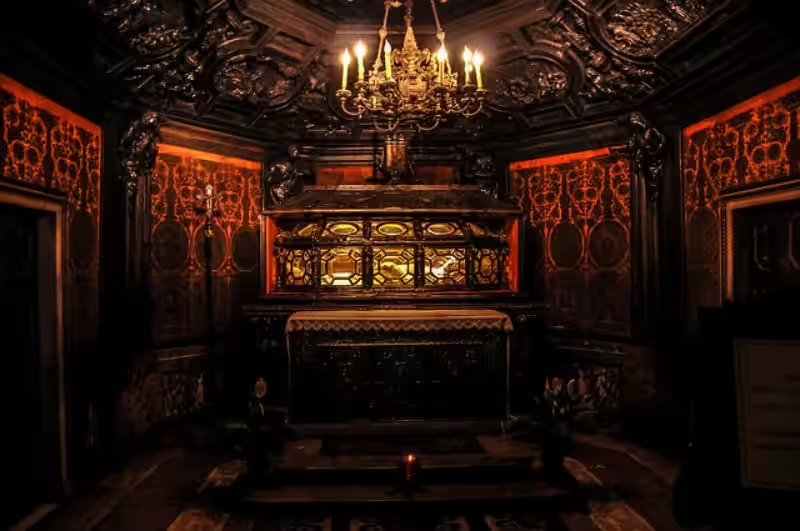
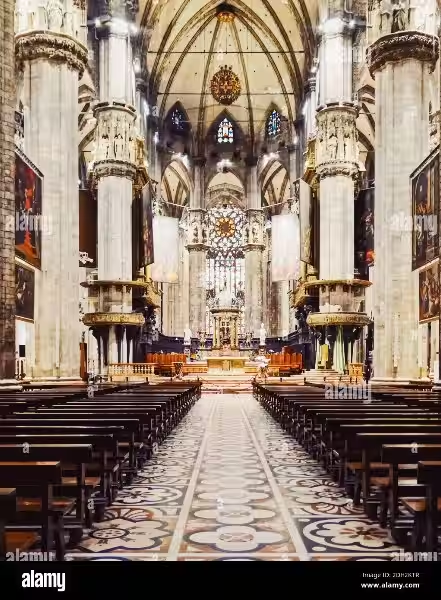
The St. Charles Crypt in Milan is not merely a burial site; it is a meticulously designed sanctuary that encapsulates the saint’s enduring spirit. Located beneath the magnificent Duomo, the crypt serves as the final resting place for Saint Charles Borromeo, a place where pilgrims and devotees come to pay their respects and seek his intercession. The architectural design of the crypt speaks to a profound sense of devotion, with its solemn atmosphere and devotional art contributing to an environment of deep spiritual reflection. It is a space designed to inspire awe and encourage a personal connection with the divine.
Within the St. Charles Crypt, one can find beautiful frescoes and intricate mosaics that depict key moments from the saint’s life, further enhancing the narrative of his hallowed journey. The central sarcophagus, where the saint’s remains are interred, is the focal point of the crypt, drawing visitors into a quiet contemplation of his legacy. Many find solace and spiritual renewal in this sacred space, feeling the palpable presence of faith that has been nurtured here for generations. The crypt offers a tangible link to Milan’s rich religious history, a quiet corner of devotion amidst the vibrant urban tapestry.
A Journey Through the Crypt: What to Expect
Visiting the St. Charles Crypt in Milan offers a deeply personal and enriching experience. Upon descending into the crypt, visitors are immediately struck by the change in atmosphere – a profound sense of quiet reverence that stands in sharp contrast to the bustling activity of the Duomo above. The air is cooler, the light more subdued, and the silence allows for introspection and prayer. The journey through the crypt is a pilgrimage in itself, a walk through history and faith that engages all the senses.
The crypt is typically divided into several chambers, each with its own specific significance. You will encounter exhibits detailing the life of Saint Charles Borromeo, including relics and artifacts associated with his ministry. The most prominent feature is, of course, the altar and the sarcophagus, where the saint’s mortal remains are preserved. Many visitors find themselves moved by the opportunity to be in such close proximity to a figure of such profound religious importance. It’s a chance to absorb the spiritual energy of the place and reflect on your own journey of faith.
Key Elements of the St. Charles Crypt Experience
As you navigate the St. Charles Crypt, pay close attention to the artistic and architectural details. The frescoes often tell stories of Saint Charles’s miracles and his dedication to the poor and sick. Look for symbols of his pastoral care, such as the shepherd’s crook. The lighting is artfully designed to create an atmosphere of solemnity and contemplation, guiding your gaze towards important devotional points. Many visitors report experiencing a sense of profound peace and spiritual connection within these sacred walls, making it a truly memorable part of their Milanese exploration.
One of the most impactful aspects of the St. Charles Crypt experience is the opportunity for personal prayer and reflection. The quietude of the space allows for a deep connection with one’s own beliefs and a moment to seek guidance or express gratitude. It is a place where the boundaries between the past and the present seem to blur, connecting visitors to the countless individuals who have sought solace and inspiration here over the centuries. Remember to maintain a respectful demeanor as you explore, honoring the sacred nature of this remarkable site.
The Enduring Legacy of the St. Charles Crypt in Milan
The St. Charles Crypt in Milan is far more than a tourist attraction; it is a living testament to the enduring power of faith and the profound impact of a dedicated spiritual leader. Saint Charles Borromeo’s commitment to his flock and his unwavering devotion to religious reform continue to resonate centuries later, drawing people from all walks of life to this sacred site. The crypt serves as a constant reminder of the importance of compassion, service, and spiritual fortitude in navigating the complexities of life.
For those seeking a deeper understanding of Milan’s religious heritage, a visit to the St. Charles Crypt is an essential experience. It offers a unique opportunity to connect with history, spirituality, and the enduring legacy of a beloved saint. The quiet contemplation it affords, combined with the rich historical narrative, makes it a place of profound significance, a sacred heart beating beneath the modern pulse of this dynamic city, inviting all to pause, reflect, and be inspired by the power of unwavering faith.
Frequently Asked Questions – St. Charles Crypt, Milan & Religion
What is the St. Charles Crypt in Milan?
The St. Charles Crypt (Cripta di San Carlo) in Milan is a sacred burial place located beneath the Milan Cathedral (Duomo di Milano). It houses the mortal remains of Saint Charles Borromeo, a highly influential archbishop of Milan who lived in the 16th century. The crypt is considered a significant pilgrimage site for Catholics.
What is the religious significance of the St. Charles Crypt?
The crypt holds immense religious significance as the resting place of Saint Charles Borromeo, a pivotal figure in the Counter-Reformation and a revered saint within the Catholic Church. His life was dedicated to reform, charity, and strengthening the faith, making his tomb a focal point for devotion and veneration. Pilgrims visit to pray for his intercession and to connect with his spiritual legacy.
Yes, the St. Charles Crypt is generally open to the public as part of the Milan Cathedral complex. Visitors can descend to the crypt to pay their respects and admire its architecture and sacred relics. It is important to check the specific opening hours and any potential admission fees for the Duomo complex, as these can vary.
What can I expect to see in the St. Charles Crypt?
Within the crypt, you will find the tomb of Saint Charles Borromeo, often adorned with offerings and religious artifacts. The crypt itself is typically decorated with frescoes, mosaics, and architectural elements that reflect the religious and historical context of its creation. The atmosphere is one of solemnity and reverence.
Is there a specific religious service or prayer that should be observed in the crypt?
While there are no mandatory religious services for casual visitors, many pilgrims choose to offer personal prayers or light candles in front of the saint’s tomb. You will likely see people praying individually. Respect for the sacred space and the devotions of others is paramount.
Are there any dress code requirements for visiting the St. Charles Crypt?
As the St. Charles Crypt is a religious site within the Milan Cathedral, a modest dress code is expected. This generally means covering shoulders and knees. It is advisable to dress respectfully out of deference to the sacred nature of the location.
What is the historical connection between St. Charles Borromeo and Milan?
Saint Charles Borromeo served as the Archbishop of Milan from 1560 to 1584. He played a critical role in implementing the reforms of the Council of Trent, actively combating the Protestant Reformation, and addressing a major plague that afflicted the city. His dedication to the spiritual and physical well-being of the Milanese people cemented his legacy and his eventual canonization as a saint.