The Book of Revelation, a cornerstone of Christian eschatology, is a tapestry woven with symbolic language, prophetic visions, and profound pronouncements about the culmination of human history. Among its most enigmatic figures are the two witnesses described in chapter eleven. Their appearance, their mission, and their eventual fate have sparked centuries of debate, theological inquiry, and, for many, a deep sense of spiritual longing. This article will delve into the significance of these figures, exploring their potential identities, their symbolic roles, and how their story continues to resonate with believers today. Understanding the revelation of the two witnesses offers not just a glimpse into ancient prophecy, but a reflection on enduring themes of faith, persecution, and ultimate divine triumph within the broader context of religion.
For those seeking to understand the deeper currents of religious thought and prophecy, the two witnesses in the Book of Revelation present a compelling case study. Their presence marks a pivotal moment in the unfolding narrative, a period of intense spiritual warfare and divine intervention. The details surrounding them – their power, their testimony, and their impact on the world – are rich with symbolic meaning, inviting us to ponder their relevance beyond the literal interpretation of ancient texts. This exploration aims to demystify these figures, making their story accessible and understandable, and highlighting their enduring message for anyone grappling with questions of faith and the grander narrative of religion.
Unveiling the Identity of the Two Witnesses: A Spectrum of Interpretation
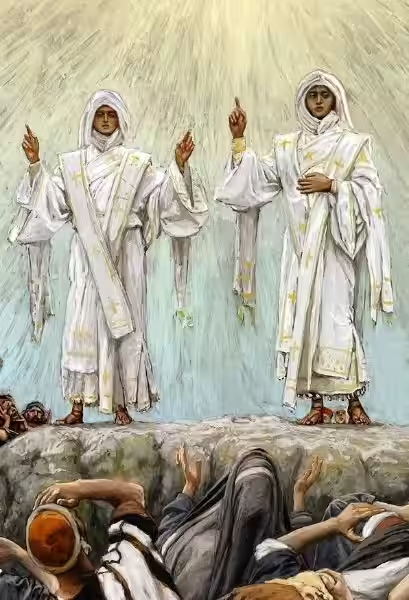
The question of “who are the two witnesses?” has vexed theologians and believers for millennia. The text itself offers tantalizing clues but refrains from explicit naming. Some scholars propose they represent Moses and Elijah, figures of immense prophetic power in the Old Testament. Moses, the lawgiver, and Elijah, the fiery prophet who ascended to heaven, both possessed extraordinary abilities and stood as pillars of religious integrity against idolatry and corruption. Their association with miraculous powers, such as turning water to blood and bringing drought, directly mirrors the described actions of the two witnesses. This interpretation resonates with the idea that the Old Covenant and the New Covenant are both represented, highlighting the continuity of God’s plan throughout religion.
Another prominent interpretation suggests the two witnesses are not specific individuals but rather symbolic representations of the Church or the faithful remnant in times of intense persecution. This view emphasizes their role as witnesses to Christ, proclaiming His truth even in the face of overwhelming opposition and martyrdom. The number “two” itself can signify legality and corroboration within biblical jurisprudence, suggesting that their testimony is divinely authorized and undeniable. This perspective shifts the focus from individual figures to the collective body of believers, underscoring the universal call to bear witness to the Gospel across all ages and denominations within religion. The power they wield, then, is the power of the Holy Spirit working through His people, a testament to the enduring strength of faith.
The two witnesses are depicted as wielding immense spiritual authority. The Book of Revelation states they have the power to “prophesy for one thousand two hundred and sixty days” (Revelation 11:3), a period often interpreted as a specific duration of intense spiritual activity and opposition. During this time, they are described as possessing the ability to “stop the sky from raining” and to “strike the earth with every kind of plague” (Revelation 11:6). These are not mere displays of brute force, but symbolic actions that demonstrate God’s sovereign control over creation and His ability to enact judgment in response to wickedness. Their religious mission is to proclaim God’s word and expose the deception of the Antichrist, influencing the spiritual landscape of the world.
Their ultimate victory, despite their apparent defeat and death, is central to their narrative. The text describes them being “slain by the beast” that ascends from the abyss, their bodies lying in the streets for three and a half days. However, this is not a final end, but a prelude to their miraculous resurrection and ascension. This dramatic sequence highlights the resilience of truth and the ultimate triumph of God’s purposes over evil. Their revelation is not just about suffering, but about the undeniable power of divine intervention and the promise of life beyond death, a core tenet in many expressions of religion. This powerful imagery serves as a profound encouragement to believers facing trials, reminding them that their struggles are not in vain and that their testimony, like that of the two witnesses, will ultimately be vindicated.
The Relatability of Persecution and Perseverance in Their Story
The narrative of the two witnesses is deeply relatable to anyone who has experienced or witnessed opposition for their faith. Their mission to stand firm and speak truth in a hostile environment mirrors the challenges faced by countless individuals and communities throughout history who have been persecuted for their religious beliefs. Whether it’s the early Christians facing Roman persecution, or modern-day believers in regions where freedom of worship is suppressed, the story of the two witnesses offers a beacon of hope and a testament to the enduring power of perseverance. Their struggle reminds us that faith is often tested, but that steadfastness in the face of adversity can lead to ultimate vindication.
The harrowing description of their death and subsequent revival speaks to a profound human experience: the fear of suffering and the yearning for ultimate redemption. For believers, this prophetic revelation offers a powerful assurance that even in the darkest hours, God is present and His plan will prevail. The image of their bodies lying exposed resonates with the vulnerability and helplessness that can accompany intense persecution. Yet, their resurrection and ascension underscore the unshakeable foundation of Christian hope: the resurrection of Jesus Christ. This core religious truth empowers believers to face their own trials with courage, knowing that death is not the end, but a transition to an eternal life secured by divine power. The two witnesses serve as powerful archetypes of this enduring hope.
The Enduring Significance of the Two Witnesses for Modern Religion
In the vast landscape of religion, the revelation of the two witnesses continues to hold profound significance. They serve as potent symbols of divine authority and prophetic truth, reminding believers of the ongoing spiritual battle between good and evil. Their story is not merely a historical or eschatological footnote; it is a living testament to the power of God’s word and the perseverance of His faithful servants. For contemporary Christians, understanding the two witnesses encourages a deeper commitment to bearing witness to their faith, even when faced with societal pressures or outright opposition. Their message urges us to examine our own convictions and to stand firm in our religious beliefs.
Furthermore, the two witnesses highlight the importance of divine timing and ultimate justice. The specific duration of their ministry and the dramatic unfolding of their story emphasize that God’s plans are meticulously orchestrated and will ultimately culminate in His perfect justice. This perspective can be incredibly comforting for individuals and communities experiencing hardship or injustice. It reinforces the religious belief that while suffering may be real, it is not the final word. The revelation of these two powerful figures assures us that God is in control and that His purposes, however mysterious, will ultimately be fulfilled, bringing hope and encouragement to people of faith around the world.
Frequently Asked Questions: Revelation’s Two Witnesses and Religion
Who are the Two Witnesses in Revelation?
The Book of Revelation, chapter 11, describes two witnesses who prophesy for 1,260 days wearing sackcloth. Their identity is not explicitly stated, leading to various interpretations within religious scholarship. Some believe they represent specific individuals, while others see them as symbolic of groups or ministries.
What is the significance of their prophecy and authority?
The Two Witnesses are depicted as having immense spiritual authority. They are described as having the power to shut up the sky so that it will not rain, to turn rivers into blood, and to strike the earth with plagues. This symbolic power suggests their role in proclaiming God’s message and bringing judgment upon those who oppose it.
What happens to the Two Witnesses?
Revelation states that after completing their testimony, the “beast that comes up from the Abyss” will make war on them, conquer them, and kill them. Their bodies will lie in the street of the “great city” for three and a half days, during which time the world will celebrate their demise. However, after three and a half days, the “breath of life from God” will enter them, and they will stand on their feet, causing great fear among those who see it.
What do the Two Witnesses symbolize in relation to religion?
Interpretations of the Two Witnesses’ symbolism vary widely depending on different theological perspectives. Some understand them to represent the Old and New Testaments, or the Law and the Prophets, testifying to God’s truth. Others view them as representing the faithful church or specific prophetic ministries throughout history. Their resurrection signifies ultimate victory and vindication for God’s people and message.
How do the Two Witnesses relate to the concept of divine judgment?
The actions attributed to the Two Witnesses—calling down plagues and shutting up the sky—are directly linked to divine judgment. They serve as instruments through whom God’s wrath is expressed against wickedness and unbelief. Their eventual resurrection and ascension also highlight the ultimate triumph of God’s justice and power.
Are there historical figures believed to be the Two Witnesses?
Throughout Christian history, various figures have been proposed as potential candidates for the Two Witnesses. These often include Old Testament prophets like Elijah and Moses, or prominent New Testament figures. However, these are largely speculative interpretations as the text itself does not definitively identify them.