The concept of dignitas, the inherent worth and dignity of every human being, resonates deeply, especially when we witness the resilience of a nation like Ukraine grappling with unimaginable challenges. In the heart of this struggle, amidst the rubble and the sorrow, the enduring power of religion has emerged not merely as a comfort, but as a vital force shaping the very fabric of Ukrainian society. It’s a testament to how faith, in its myriad forms, provides both solace and strength, anchoring individuals and communities when the ground beneath them feels most unstable. This article explores the profound connection between dignitas, the Ukrainian experience, and the multifaceted role of religion in navigating a landscape defined by conflict and hope.
The very idea of dignitas is not abstract; it translates into the everyday struggles and triumphs of the Ukrainian people. It’s evident in the volunteer who risks their safety to deliver aid, the parent who shields their child from a siren, or the artist who continues to create, preserving a cultural identity under siege. These acts, born from a deep-seated belief in the value of life, are often intertwined with spiritual convictions. The concept of dignitas in Ukraine, therefore, is not a philosophical debate but a lived reality, a constant affirmation against forces that seek to dehumanize and destroy.
The Sacred and the Secular: Religion’s Multifaceted Role in Ukrainian Society
In Ukraine, religion is more than just private belief; it’s a deeply ingrained aspect of national identity and community life. From the gilded domes of ancient cathedrals to the humble chapels in rural villages, places of worship have become focal points for both spiritual devotion and practical support. The ongoing conflict has amplified this role, transforming religious institutions into havens, distribution centers, and rallying points for national unity. This is particularly true for the Orthodox Church, which holds significant cultural and historical sway, but also for other denominations, including Catholicism, Protestantism, and Judaism, each contributing to the diverse tapestry of faith.
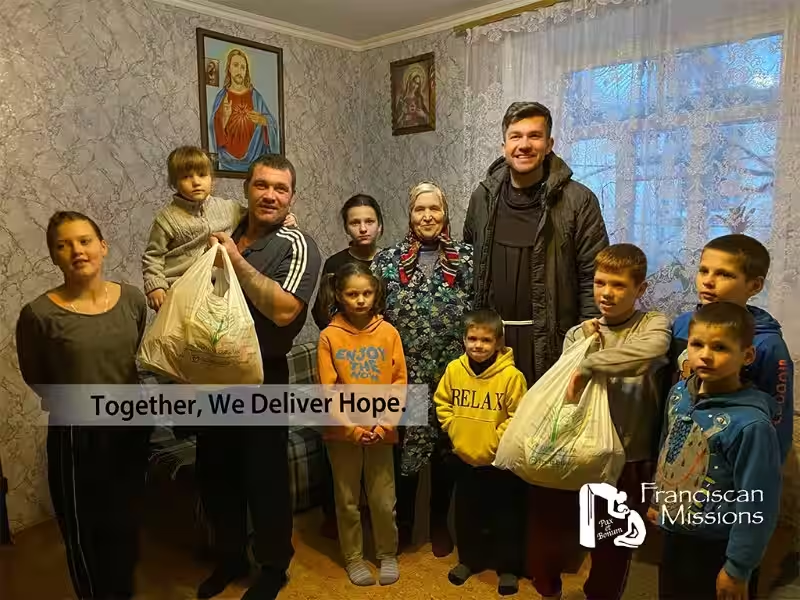
The challenges faced by Ukraine underscore the crucial role religion plays in upholding dignitas during times of extreme duress. Beyond offering prayers and spiritual guidance, religious leaders and organizations are actively engaged in humanitarian efforts. They provide shelter for displaced persons, distribute food and medicine, and offer counseling to those suffering from trauma. This practical application of faith demonstrates that dignitas is not just about abstract respect but about tangible acts of compassion and solidarity, often fueled by religious imperatives.
Faith as a Foundation for Resilience and Rebuilding
The strength of dignitas in Ukraine is visibly bolstered by the unwavering faith of its people. When faced with the destruction of homes and the loss of loved ones, the spiritual framework offered by religion provides a crucial anchor. It offers a narrative that transcends immediate suffering, pointing towards hope and a future worth striving for. This is evident in the resurgence of religious gatherings, sometimes held in makeshift shelters or even amidst the ruins, symbolizing the enduring spirit that refuses to be extinguished.
The rebuilding of a nation is a monumental task, and religion plays a significant part in this process, both spiritually and practically. Churches and other religious organizations are often at the forefront of reconstruction efforts, mobilizing volunteers and resources to restore damaged infrastructure and communities. This active participation in rebuilding reinforces the concept of dignitas by demonstrating a commitment to human well-being and the restoration of normalcy. The shared experience of faith can foster a sense of collective purpose, vital for healing and moving forward after immense trauma, a journey Ukraine is undertaking with remarkable fortitude.
The Interplay of Dignitas and Spiritual Values in Ukrainian Resilience
The concept of dignitas in Ukraine is intrinsically linked to its rich spiritual heritage. The willingness of Ukrainians to defend their land and their freedom, even at immense personal cost, is a profound expression of their belief in the value of life and the sanctity of their nation. This unwavering spirit is deeply nourished by their religious convictions, which often emphasize themes of sacrifice, perseverance, and the ultimate triumph of good over evil. These are not mere platitudes but deeply held beliefs that inform action and sustain hope.
The influence of religion on the Ukrainian psyche is undeniable, especially in understanding their resilience. For many, faith provides a moral compass and a source of inner strength to face adversity. Whether it’s the comfort found in attending a liturgy, the community support offered by a congregation, or the philosophical underpinnings of their religious traditions, these elements are crucial in maintaining a sense of dignitas amidst the chaos. This spiritual fortitude allows individuals to not only endure but to actively strive for a better future for themselves and their country.
Navigating Conflict and Hope: The Enduring Significance of Religion in Ukraine
The ongoing conflict in Ukraine has brought the profound significance of religion to the forefront, highlighting its role in preserving dignitas and fostering hope. Religious institutions have become vital hubs for humanitarian aid, offering shelter, food, and emotional support to those affected by the war. This practical manifestation of faith demonstrates a commitment to the well-being of all individuals, irrespective of their background, reinforcing the universal value of dignitas.
Beyond immediate relief, religion offers a framework for understanding and processing the immense grief and trauma experienced by the Ukrainian people. It provides a narrative of hope and renewal, encouraging perseverance and a belief in the eventual restoration of peace and prosperity. The prayers, rituals, and communal gatherings offered by religious organizations serve as powerful reminders of shared humanity and collective resilience, crucial elements in rebuilding not just infrastructure, but the very spirit of the nation, solidifying the concept of dignitas for generations to come.
Frequently Asked Questions about Dignitas Ukraine and Religion
Is Dignitas Ukraine a religious organization?
No, Dignitas Ukraine is not a religious organization. It is a non-profit organization that provides palliative care and support to individuals with life-limiting illnesses. Their services are offered with respect for all beliefs and backgrounds.
Do Dignitas Ukraine’s services have any religious affiliation?
Dignitas Ukraine’s services are not affiliated with any specific religion. They focus on providing comprehensive care that addresses the physical, emotional, and spiritual needs of patients and their families, regardless of their religious or non-religious beliefs.
Can I request spiritual support from Dignitas Ukraine if I have specific religious needs?
Yes, while Dignitas Ukraine does not provide religious services itself, they are committed to supporting the spiritual well-being of their patients. They can facilitate connections with chaplains or spiritual leaders of various faiths upon request, or they can support patients in maintaining their existing spiritual practices.
Does Dignitas Ukraine impose any religious beliefs on patients or families?
Absolutely not. Dignitas Ukraine operates on principles of respect, dignity, and autonomy. They do not impose any religious beliefs or practices on patients or their families and will always honor individual choices.
How does Dignitas Ukraine approach the spiritual needs of patients who are not religious?
Dignitas Ukraine recognizes that spiritual needs extend beyond organized religion. They aim to support patients in finding meaning, comfort, and peace, which may involve exploring personal values, life reflections, or simply providing a compassionate and understanding presence.