Imagine standing on the precipice of something truly profound, a threshold that has witnessed centuries of faith, prayer, and pilgrimage. This is the experience many seek when visiting the magnificent St. Peter’s Basilica in Vatican City. While the sheer grandeur of Michelangelo’s dome and Bernini’s baldachin are immediate awe-inspirers, there’s a specific, deeply spiritual element that draws the faithful: the Holy Doors. These aren’t just architectural features; they are potent symbols of religion, grace, and the journey of the soul.
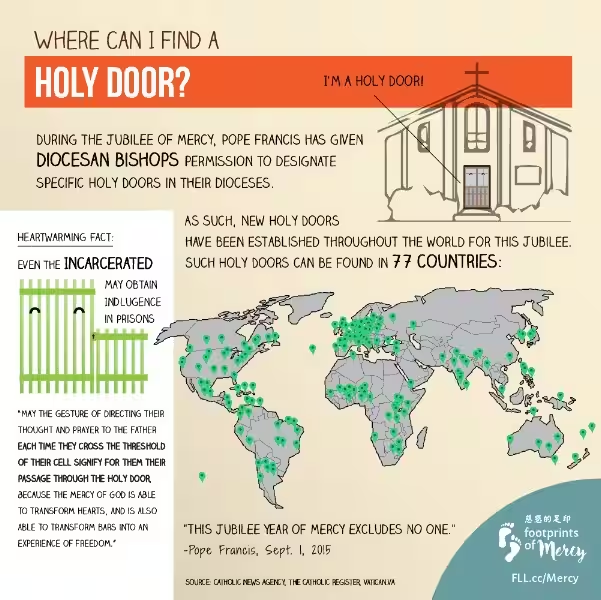
The concept of a Holy Door transcends St. Peter’s Basilica, but its most famous iteration is undeniably here. These doors are not merely passages; they are consecrated portals, opened only during specific Jubilee years declared by the Pope. To pass through a Holy Door is to undertake a symbolic act of spiritual renewal, a physical manifestation of entering a time of divine mercy and forgiveness. It’s a tangible connection to a rich theological tradition that has resonated for generations seeking a closer encounter with the divine.
The Genesis of Sacred Entry: A Brief History of Holy Doors
The tradition of the Holy Doors has deep roots within the Catholic Church, originating from the concept of a Jubilee year. The first major Jubilee was declared by Pope Boniface VIII in 1300, and it was during this time that the idea of a special, sacred entrance for pilgrims began to take shape. Initially, these doors were bricked up and only opened for the Jubilee, emphasizing their extraordinary and infrequent nature. This act of opening and closing highlighted their sacred purpose, setting them apart from the everyday entrances.
Over the centuries, the practice evolved. While initially all basilicas had a Holy Door, the tradition became more concentrated, with the four major papal basilicas in Rome – St. Peter’s, St. John Lateran, St. Mary Major, and St. Paul Outside the Walls – each featuring one. The Holy Door of St. Peter’s Basilica, in particular, has become the most iconic, a focal point for pilgrims from across the globe. The act of construction and sealing, followed by the dramatic opening, underscores the profound theological weight attached to these sacred thresholds, symbolizing the opening of God’s grace.
The Iconography and Symbolism of St. Peter’s Holy Door
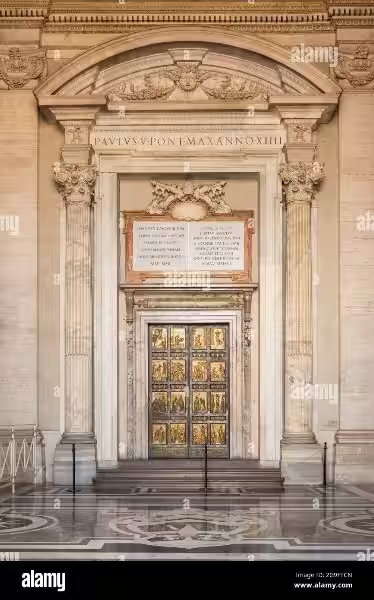
The most prominent Holy Door at St. Peter’s Basilica, often referred to as the Holy Door of St. Peter’s Basilica, is located on the north transept of the basilica. Unlike the other entrances, this one remains sealed with masonry from the outside, only to be opened by the Pope during a Jubilee. The bronze doors themselves are a masterpiece of artistry, decorated with intricate reliefs depicting key events in the life of Jesus Christ and the history of the Church. These images serve as a visual sermon, reminding those who approach of the core tenets of their religion.
The act of passing through the Holy Door is laden with symbolism. It represents repentance, faith, and the reception of divine grace. Think of it like entering a special sanctuary where the usual rules of the world are suspended, and a deeper connection to God is made possible. The journey through this sacred portal is intended to inspire a sense of spiritual renewal and reconciliation, a personal encounter with the divine that can profoundly impact one’s faith journey. It signifies a step away from the ordinary and into the extraordinary embrace of God’s mercy.
The Spiritual Journey Through the Holy Door: What it Means for the Faithful
For the millions of pilgrims who flock to Vatican City, passing through the Holy Door of St. Peter’s Basilica is often the pinnacle of their spiritual journey. It’s not just about ticking a box on a travel itinerary; it’s about engaging in a profound act of faith. The tradition dictates that by passing through the Holy Door during a Jubilee year and fulfilling certain conditions – such as confession, receiving communion, and praying for the Pope’s intentions – one can receive a plenary indulgence. This is a remission of the temporal punishment due to sins that have already been forgiven.
This spiritual benefit underscores the deep theological significance of the Holy Doors. It’s an invitation to experience God’s boundless mercy and a chance to strengthen one’s relationship with Him. Imagine a parent offering their child a special gift after they’ve shown genuine remorse and made a commitment to do better; the indulgence is a divine echo of that loving gesture. The Holy Doors are not just about the past; they are about present spiritual transformation and a hope for the future, reinforcing the enduring relevance of religion in modern life.
Experiencing a Holy Door: A Personal Encounter with Faith
The experience of approaching and passing through a Holy Door is deeply personal, even amidst the crowds. There’s a palpable sense of anticipation, solemnity, and awe as pilgrims queue, often for hours, to reach this sacred threshold. The air is thick with prayers, quiet contemplation, and a shared sense of purpose. As one steps across the threshold, it’s a moment of profound personal reflection and a conscious act of surrendering to God’s love and mercy. It’s a tangible reminder of the sacredness that permeates places of worship.
Witnessing the opening of a Holy Door is an even more extraordinary event. The Pope himself strikes the door three times with his staff, symbolizing Christ’s victory over death, and then pushes it open. This dramatic ceremony signifies the opening of heaven’s gates and the outpouring of God’s grace upon humanity. For those present, it’s an unforgettable moment that reinforces their faith and the teachings of their religion, a powerful testament to the enduring spiritual vitality of these sacred traditions.
The Enduring Legacy of the Holy Doors in Religious Practice
The Holy Doors of St. Peter’s Basilica, and indeed of other basilicas, are far more than just historical artifacts; they are living, breathing components of Catholic religion. They serve as constant reminders of the Church’s teachings on mercy, forgiveness, and the ongoing journey of faith. Even outside of Jubilee years, the sealed doors stand as silent witnesses to the sacred events they have hosted, inspiring devotion and a sense of continuity with the past.
The tradition of the Holy Doors continues to resonate with believers today, offering a tangible connection to the spiritual heart of the Catholic Church. They represent a powerful symbol of hope and renewal, inviting all who approach to experience the transformative power of faith. The Holy Doors are a testament to the enduring human need for spiritual connection and the profound ways in which religion provides pathways for encountering the divine, making them a vital and cherished part of the global religious landscape.
Frequently Asked Questions about the Holy Doors of St. Peter’s Basilica
What is a Holy Door?
A Holy Door is a special door in a basilica, typically sealed shut and only opened for a Holy Year (Jubilee). Passing through a Holy Door is a symbolic act of pilgrimage and repentance, signifying a passage to spiritual renewal and the remission of temporal punishment for sins.
The Holy Door at St. Peter’s Basilica is located on the facade of the basilica, to the right of the main entrance. It is made of bronze and is adorned with reliefs depicting various biblical scenes.
When is the Holy Door at St. Peter’s Basilica opened?
The Holy Door is opened by the Pope at the beginning of each Holy Year, which occurs every 25 years, although extraordinary Jubilees can be proclaimed by the Pope. It remains open for the duration of the Holy Year.
What is the significance of passing through the Holy Door of St. Peter’s Basilica?
Passing through the Holy Door of St. Peter’s Basilica is considered a profound spiritual act. It is believed to grant a plenary indulgence, which remits the temporal punishment due to sins whose guilt has already been forgiven. It symbolizes a journey of faith, conversion, and reconciliation with God.
Who can pass through the Holy Door?
Any Catholic who fulfills the usual conditions for the Jubilee (confession, Holy Communion, prayer for the Pope’s intentions) and passes through the Holy Door is eligible for the plenary indulgence. Non-Catholics are welcome to witness the opening and experience the atmosphere of the Jubilee, but the spiritual benefits of the indulgence are specific to the Catholic Church’s teachings.
What happens to the Holy Door after the Holy Year?
After the conclusion of the Holy Year, the Holy Door is sealed shut again by the Pope, often in a ceremonial closing. It remains sealed until the next Holy Year is proclaimed.
Are there other Holy Doors in Rome?
Yes, besides St. Peter’s Basilica, there are three other major Holy Doors in Rome which are opened during a Holy Year: one at the Basilica of Saint John Lateran, one at the Basilica of Saint Paul Outside the Walls, and one at the Basilica of Saint Mary Major.
Is there a cost to pass through the Holy Door?
There is no cost to pass through the Holy Door itself. However, visitors are expected to adhere to the rules and regulations of the Vatican and St. Peter’s Basilica, and any associated religious practices such as confession and communion may involve specific requirements.