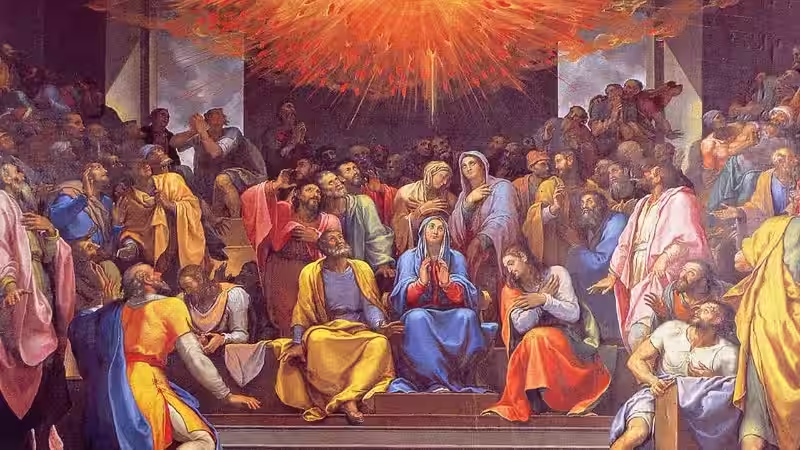
The event of Pentecost, as chronicled in the book of Acts, stands as a pivotal moment in the history of Christianity. It wasn’t just a gathering of believers; it was the divine ignition of the nascent Church. Imagine a group of ordinary individuals, still reeling from the crucifixion and resurrection of Jesus, suddenly infused with an unprecedented spiritual power. This wasn’t a quiet, introspective experience. The Holy Spirit descended “like the blowing of a violent wind,” and tongues of fire appeared, resting on each disciple. This dramatic manifestation wasn’t merely symbolic; it was the launchpad for their mission, equipping them with the boldness and the supernatural abilities needed to spread the Gospel to the ends of the earth.
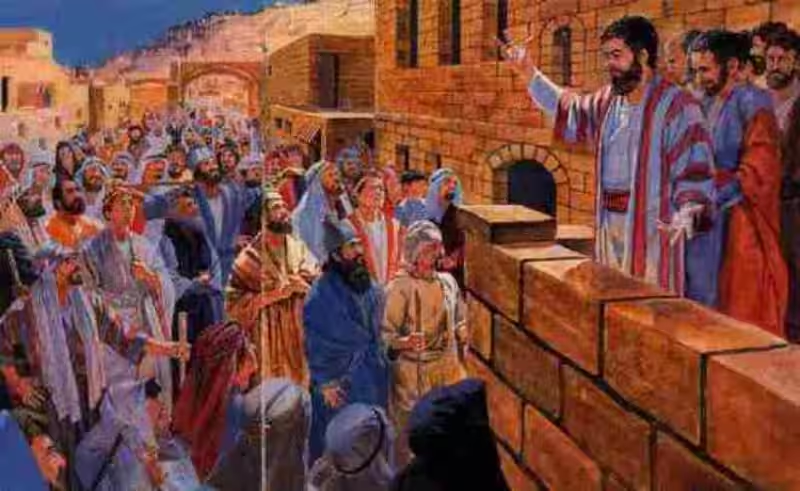
The impact of this initial outpouring was immediate and transformative. Peter, who had famously denied Jesus just weeks before, stood before a vast crowd and delivered a powerful sermon, filled with conviction and clarity. His words, empowered by the Holy Spirit, resonated deeply, leading to the conversion of thousands on that single day. This event, therefore, isn’t just a historical footnote; it’s the foundation upon which Pentecostal preaching is built. It signifies the ongoing presence and power of the Holy Spirit available to believers today, offering a tangible connection to God’s active engagement in the world.
The Core Elements of Pentecostal Preaching
At its heart, Pentecost preaching is characterized by its emphasis on the Holy Spirit. It’s not just about delivering a theological message; it’s about facilitating an encounter with the divine. Preachers aim to articulate biblical truths in a way that is both intellectually engaging and experientially transformative. This often involves a deep reliance on the Holy Spirit for inspiration, guidance, and the ability to communicate God’s word with authority and love. Think of it as a bridge, connecting the ancient truths of scripture to the modern-day needs of the listener, with the Holy Spirit as the architect and builder of that connection.
Furthermore, Pentecost preaching is inherently experiential. It doesn’t shy away from the supernatural manifestations that accompanied the original Pentecost. This can include:
Vibrant worship and music: Often characterized by passion, spontaneous expressions of praise, and a strong sense of the Lord’s presence.
Emphasis on spiritual gifts: Preaching often touches upon the operation of gifts like prophecy, healing, tongues, and interpretation, as described in the New Testament, encouraging believers to embrace and utilize these gifts.
Call to repentance and faith: A clear and urgent invitation for individuals to surrender their lives to Christ and to experience the transformative power of God.
Anointing and empowerment: The expectation that the Holy Spirit will equip the preacher and the congregation for service and witness.
The goal is not simply to inform but to ignite a fire within the hearts of the hearers, leading to a deeper relationship with God and a commitment to living out their faith actively.
The Role of the Holy Spirit in the Sermon
The preacher delivering Pentecost preaching doesn’t just rely on intellect and preparation, though these are important. There is a profound dependence on the direct leading of the Holy Spirit. This can manifest in various ways, from the unction that empowers the delivery of the message to the specific insights and applications that the Spirit brings to mind during the sermon. It’s a partnership, where the preacher diligently studies and prepares, but ultimately trusts the Spirit to bring the word to life and make it relevant to the congregation’s needs. Imagine a skilled artisan preparing their tools and materials, but then allowing natural inspiration and the perfect light to guide their final strokes.
This reliance on the Spirit means that Pentecost preaching can be dynamic and responsive. While there’s often an outline or a core message, the Holy Spirit might prompt the preacher to deviate, to pray for specific individuals in the congregation, or to share a personal testimony that directly addresses a felt need. This interactive and Spirit-led approach can create an atmosphere of anticipation and expectation, where listeners are not just passively receiving information but are actively participating in a divine conversation. The sermon becomes a living, breathing entity, guided by the very breath of God.
Empowering the Congregation for Ministry
A key outcome of Pentecost preaching is the empowerment of believers for active ministry. The initial Pentecost saw disciples transformed into apostles, equipped to go forth and share the Gospel. Similarly, contemporary Pentecostal preaching aims to equip the church body with the confidence and the spiritual tools to be witnesses in their daily lives. This means encouraging them to live out their faith not just on Sundays but in their workplaces, their homes, and their communities. The sermon isn’t meant to end when the preacher finishes speaking; it’s meant to spill out into the world.
This empowerment often involves teaching about the purpose and use of spiritual gifts. Preachers will frequently expound on passages like 1 Corinthians 12, emphasizing that every believer has a role to play within the body of Christ, empowered by the same Spirit that filled the disciples at Pentecost. Whether it’s a gift of encouragement, administration, teaching, or even healing, the goal is to foster a church where the supernatural enabling of God is recognized and actively employed for the building up of the community and the advancement of the Gospel. It’s about moving from passive observation to active participation in God’s redemptive work.
The Enduring Legacy of Pentecostal Preaching
The fervor and transformative power witnessed at Pentecost continue to inspire and shape Pentecost preaching today. It’s a tradition that emphasizes a living, dynamic relationship with God, accessible through the indwelling Holy Spirit. This isn’t a relic of the past; it’s a present reality that preachers strive to convey in every message. The very essence of Pentecost preaching is to remind believers of their divine potential and the ongoing work of the Spirit in their lives, enabling them to live victoriously and to be effective witnesses for Christ.
Ultimately, Pentecost preaching serves as a perpetual invitation. It invites individuals to experience the same baptism of the Holy Spirit that empowered the early church, offering them renewed hope, spiritual strength, and a clear purpose. It’s a message of divine accessibility and empowerment, a constant reminder that the God who acted so powerfully on the day of Pentecost is still very much at work, ready to fill and empower anyone who seeks Him. This is the enduring legacy, a call to embrace the fullness of God’s power and to live out the extraordinary life He has called us to.
Frequently Asked Questions about Pentecost Preaching
What is Pentecost preaching?
Pentecost preaching refers to sermons or messages delivered during the Christian celebration of Pentecost. This period commemorates the descent of the Holy Spirit upon the apostles, as described in the Book of Acts. Sermons during this time often focus on the power, gifts, and work of the Holy Spirit, the birth of the Church, and the spread of the Gospel.
Common themes include:
* The coming and empowerment of the Holy Spirit.
* The gifts of the Spirit (e.g., speaking in tongues, prophecy, healing).
* The birth and mission of the Church.
* The universality of the Gospel message.
* The transformation and boldness of believers.
* The importance of living a Spirit-filled life.
How does Pentecost preaching differ from regular preaching?
While all Christian preaching aims to illuminate God’s Word, Pentecost preaching has a specific theological emphasis. It centers on the events of Pentecost and the subsequent outpouring of the Holy Spirit, often leading to messages that are more dynamic, inspirational, and focused on the Spirit’s active role in believers’ lives and the Church.
What biblical passages are often used in Pentecost preaching?
Key passages include:
* Acts 2:1-41 (the account of Pentecost itself)
* John 14-16 (Jesus’ teachings about the Holy Spirit)
* Romans 8 (life in the Spirit)
* 1 Corinthians 12-14 (gifts of the Spirit)
* Galatians 5 (fruit of the Spirit)
* Joel 2:28-29 (Old Testament prophecy fulfilled at Pentecost)
What is the significance of Pentecost for the Church?
Pentecost is considered the birthday of the Christian Church. It marks the moment when the apostles were empowered by the Holy Spirit to boldly proclaim the Gospel, leading to the conversion of thousands and the establishment of the early Christian community. It signifies the Spirit’s ongoing presence and power within the Church.
What should a listener expect from a Pentecost sermon?
Listeners can expect a message that highlights the transformative power of God’s Spirit, encouraging faith, empowerment for service, and a deeper understanding of the Church’s mission. Sermons may also include calls to embrace the gifts of the Spirit and to live a life guided by Him.