At the heart of many religious traditions lies the profound concept of intimate communion. It’s more than just a ritual or a set of doctrines; it’s the deeply personal and often transformative connection individuals forge with the divine, a sacred bond that transcends the ordinary. This communion isn’t always a grand, public spectacle; it can manifest in the quiet solitude of prayer, the mindful contemplation of nature, or the shared reverence within a community. For many, it’s the feeling of being seen, understood, and loved by something far greater than themselves, a direct and personal encounter that shapes their worldview and their very being.
The desire for intimate communion is a fundamental human yearning, a quest for meaning and connection that religion often addresses. Think of it like this: imagine feeling lost in a vast desert, overwhelmed by the immensity and isolation. Then, you find a secret oasis, a place of profound peace and refreshment, where you feel utterly at home. This oasis represents that sacred space where intimate communion allows us to find solace, purpose, and a sense of belonging within the grand tapestry of existence. It’s in these moments that life’s challenges can feel less daunting, and the beauty of existence becomes more apparent.
Manifestations of Intimate Communion Across Faiths
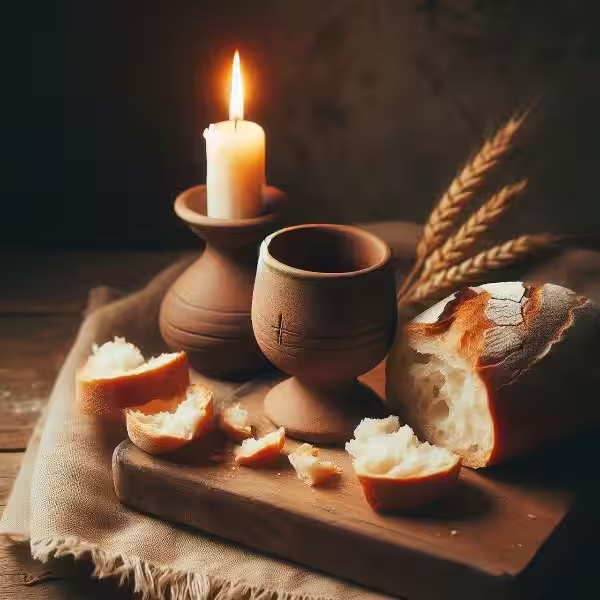
The ways in which intimate communion is experienced and expressed are as diverse as the religions themselves. In Christianity, the sacrament of Holy Communion, or the Eucharist, is a central pillar, allowing believers to symbolically partake in the body and blood of Christ, fostering a palpable sense of divine presence. This act of sharing bread and wine is a powerful reminder of Jesus’ sacrifice and a tangible way to feel connected to the sacred. It’s a moment of deep personal reflection, where individuals can confess their faults, express their gratitude, and reaffirm their faith, drawing strength from this spiritual nourishment.
Similarly, in Islam, the five daily prayers (Salah) offer a structured pathway to intimate communion with Allah. The act of prostration, the recitation of verses from the Quran, and the focused intention create a sacred dialogue, a personal conversation between the worshipper and the Creator. Each prayer is an opportunity to realign one’s life with divine will, seeking guidance and expressing devotion. Beyond formal prayer, the practice of dhikr, the remembrance of Allah through chanting His names, can also cultivate a state of deep spiritual intimacy, allowing for a constant awareness of the divine in everyday life.
Beyond the more formalized rituals, many traditions emphasize the power of intimate communion through silent contemplation and meditation. In Buddhism, practices like Vipassanā meditation aim to cultivate insight and awareness, leading to a profound understanding of the self and the nature of reality. This inner journey is a form of intimate communion with one’s own consciousness, which is often seen as intrinsically linked to the universal consciousness. By quieting the external noise, individuals can access a deeper, more authentic connection to their inner spiritual core.
For some, this intimate communion might be found in the quiet reverence of nature. The awe inspired by a starlit sky, the peace found by a babbling brook, or the grandeur of a mountain range can evoke a sense of the sublime and the transcendent. Many spiritual seekers have reported experiencing profound moments of divine connection while immersed in the natural world, feeling a sense of oneness with creation. This connection isn’t necessarily about a specific deity or doctrine, but rather a deep, intuitive recognition of a sacred force at play in the universe.
Cultivating Intimate Communion in Modern Life
In our fast-paced, often distracting modern world, cultivating intimate communion can feel like a significant challenge. The constant barrage of information, the demands of work and social obligations, can easily pull us away from the inner stillness necessary for spiritual connection. However, the desire for this sacred relationship remains, and finding ways to nurture it is crucial for well-being. Simple practices, consistently applied, can make a substantial difference in fostering this personal and profound bond.
One effective approach is to dedicate sacred time each day for intimate communion. This doesn’t require hours of elaborate devotion. It could be as simple as ten minutes of quiet reflection before starting your day, a mindful walk during your lunch break, or a brief period of prayer before bed. The key is consistency and intention. During this dedicated time, consciously bring your focus to your spiritual center, whether that involves prayer, meditation, reading sacred texts, or simply sitting in grateful silence. The goal is to create a regular touchpoint with the divine, strengthening the invisible threads that connect you.
Beyond structured time, incorporating intimate communion into everyday activities can profoundly deepen your spiritual life. This means practicing mindfulness in all that you do. When you’re eating, savor the taste and texture of your food, considering it a gift. When you’re interacting with loved ones, offer your full, undivided attention, seeing the divine spark within them. Even mundane tasks, like washing dishes or commuting, can become opportunities for spiritual awareness if you approach them with a sense of gratitude and presence. These micro-moments of conscious connection weave a richer tapestry of intimate communion throughout your day.
Another valuable practice is engaging with sacred texts or teachings in a reflective and personal manner. Instead of just reading words on a page, ask yourself: “How does this apply to my life right now? What message is this speaking to my soul?” Journaling your thoughts, prayers, and insights can be an invaluable tool for processing and integrating spiritual experiences. Consider these practices as building blocks, each one a step towards a more robust and meaningful intimate communion with the divine. The journey is ongoing, and each effort, no matter how small, contributes to the growing strength of your spiritual heart.
The Transformative Power of Intimate Communion
The profound impact of intimate communion extends far beyond individual spiritual growth; it has the power to transform lives and communities. When individuals experience this deep connection, they often find themselves driven by a greater sense of purpose and compassion. This divine alignment can inspire acts of kindness, generosity, and service, leading to positive ripple effects in the world. The spiritual nourishment derived from communion provides the strength and motivation to face life’s adversities with resilience and grace.
Ultimately, intimate communion is the very essence of a living faith. It’s the whisper of the divine in the quiet moments, the embrace of unconditional love, and the guiding light that illuminates our path. By actively seeking and nurturing these sacred connections, individuals can discover a deeper sense of peace, fulfillment, and belonging, allowing the transformative power of intimate communion to shape their lives in profound and beautiful ways.
Frequently Asked Questions: Intimate Communion and Religion
What is intimate communion?
Intimate communion, in a religious context, refers to a deep and personal spiritual connection with the divine or a higher power. It is a feeling of closeness, understanding, and oneness experienced through prayer, meditation, or sacred rituals.
How do different religions approach intimate communion?
Approaches vary widely. Some religions emphasize direct personal experience, while others focus on communal worship and sacraments as pathways to divine connection. Practices like contemplative prayer, mystical experiences, and devotional rituals are common across diverse faiths.
Can I experience intimate communion outside of organized religion?
Many people find profound spiritual connections and a sense of the sacred through personal practices such as nature walks, artistic expression, or acts of compassion, independent of formal religious structures. This is often referred to as a personal spirituality or a connection immanent in the world.
What role does scripture or sacred texts play in intimate communion?
Sacred texts are often seen as guides, offering wisdom, stories, and teachings that can illuminate the path to the divine. For many, engaging with these texts through study, reflection, and prayer is a crucial element in fostering a deeper relationship with the sacred.
Is intimate communion a lifelong pursuit?
Yes, for many believers and spiritual seekers, intimate communion is not a destination but an ongoing journey. It is a continuous process of growth, deepening understanding, and evolving one’s relationship with the divine throughout life.