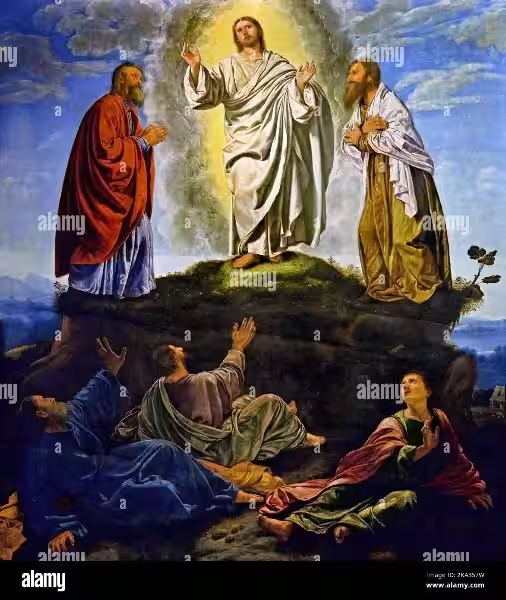
The concept of the biblical transfiguration is a cornerstone of Christian theology, representing a profound moment where the divine nature of Jesus Christ was revealed in a spectacular, awe-inspiring manner. This pivotal event, described in the Gospels of Matthew, Mark, and Luke, offers more than just a historical account; it serves as a powerful symbol of hope, transformation, and the ultimate glory that awaits believers. Understanding the transfiguration isn’t just about historical study; it’s about encountering a living truth that can illuminate our own spiritual journeys and provide a compelling glimpse of God’s majesty.
This article will delve into the rich tapestry of the biblical transfiguration, exploring its narrative, its theological significance, and its practical application in our contemporary lives. We will uncover why this event resonates so deeply within the religious landscape and how its message of divine radiance can empower us to navigate the challenges and embrace the potential for spiritual growth in our own faith. Prepare to be inspired by a story that continues to shine brightly across centuries, offering eternal relevance for all who seek to understand God’s love and purpose.
The Majestic Revelation: The Gospel Accounts of Transfiguration
The biblical transfiguration unfolds on a high mountain, a place often associated with divine encounters in scripture. Jesus takes Peter, James, and John, his closest disciples, with him. As they watch, Jesus’ appearance undergoes a radical change. His face shines like the sun, and his clothes become dazzling white, far whiter than any earthly bleach could achieve. This visual spectacle is not merely a display of power; it’s a direct manifestation of his divine essence, a brief unveiling of the glory he possessed before his earthly ministry and would reclaim fully after his resurrection.
The presence of Moses and Elijah alongside Jesus further amplifies the significance of this moment. These two figures represent the Law and the Prophets, respectively, the foundational pillars of the Old Testament. Their appearance and conversation with Jesus, speaking about his “departure, which he was about to accomplish in Jerusalem,” signify that Jesus is the culmination and fulfillment of all that the Law and the Prophets foretold. For Peter, overwhelmed by the experience, the natural reaction is to suggest building three tabernacles – one for Jesus, one for Moses, and one for Elijah. This highlights the disciples’ struggle to fully grasp the uniqueness of Jesus’ divine status amidst these revered figures.
The Divine Voice: Affirmation from Heaven
As Peter speaks, a bright cloud overshadows them, a recurring symbol of God’s presence in the Old Testament, often referred to as the Shekinah glory. From within this cloud, a voice declares, “This is my Son, whom I love; with him I am well pleased. Listen to him!” This divine affirmation is crucial. It directly validates Jesus’ identity as the beloved Son of God, leaving no room for doubt. It’s a moment of cosmic endorsement, where the Father himself testifies to the Son’s unique relationship and divine authority.
This pronouncement, “Listen to him!”, is a paramount instruction for the disciples and, by extension, for all of humanity. It signifies that while Moses and Elijah are important figures in religious history, Jesus is the ultimate revelation of God. His teachings, his life, and his sacrifice are the primary means through which humanity can truly understand and connect with the divine. This moment on the mountain serves as a divine compass, directing believers to follow Jesus as the supreme authority in their spiritual lives.
Theological Significance: Unpacking the Meaning of Transfiguration
The biblical transfiguration is far more than a dazzling spectacle; it is laden with profound theological implications that continue to shape Christian belief and practice. Primarily, it serves as a powerful confirmation of Jesus’ divine nature. In a world where doubt and skepticism can easily take root, this event acts as an irrefutable testament to Jesus’ identity as the Son of God, not merely a prophet or a wise teacher. It bridges the gap between the human Jesus and the divine Christ, revealing the fullness of his deity to those who witnessed it.
Furthermore, the transfiguration offers believers a glimpse of future glory. The radiant appearance of Jesus is a foreshadowing of the glorified state that awaits the faithful. It assures us that the earthly struggles and sufferings we experience are not the end, but rather a pathway to a resurrection life filled with divine radiance. This hope is a powerful antidote to despair, reminding us that our present circumstances do not define our ultimate destiny. The biblical transfiguration, therefore, becomes a beacon of eternal promise.
Jesus as the Fulfillment: Law, Prophets, and the New Covenant
The presence of Moses and Elijah, representing the entirety of the Old Testament covenant, underscores Jesus’ role as the fulfillment of God’s promises. He doesn’t abolish the Law and the Prophets; rather, he brings them to their ultimate meaning and completion. The sacrifices and rituals of the Old Covenant find their perfect antitype in Jesus’ atoning sacrifice. His life and teachings embody the spirit and intent of God’s ancient covenants, ushering in a new and everlasting covenant based on grace and love.
This aspect of the transfiguration is vital for understanding the continuity and progression of God’s redemptive plan. It shows that Christianity is not a radical break from God’s past dealings with humanity but rather the culmination and perfection of them. Jesus is the key that unlocks the deeper meaning of the scriptures, making the divine will accessible and understandable for all. His message, therefore, is not just for a select few but for all who are willing to listen and obey.
Relatable Relevance: How Transfiguration Impacts Our Daily Faith
The biblical transfiguration might seem like a distant, miraculous event, but its impact on our daily religious experience is incredibly significant and relatable. For individuals grappling with doubt, the transfiguration offers unwavering assurance of Jesus’ divine identity. It’s a reminder that even when our faith wavers, the truth of Christ’s divinity stands firm, like a mountain that cannot be moved. This historical affirmation provides a solid foundation for our own belief, allowing us to face life’s uncertainties with greater confidence.
Moreover, the transfiguration speaks directly to our longing for transformation and hope. We all experience moments of spiritual dullness or personal struggle. The radiant appearance of Jesus on the mountain is a symbol of the potential for renewal and spiritual brightness that God offers us. It reminds us that through our relationship with Christ, we too can experience a metamorphosis, shedding our old selves and embracing a more Christ-like existence, reflecting His light in our own lives. This promise of spiritual renewal is a powerful motivator for our religious journey.
The Call to Listen: Applying Jesus’ Authority in Our Lives Today
The divine instruction, “Listen to him!”, remains as relevant today as it was on that mountaintop. In a world saturated with competing voices and ideologies, the transfiguration directs us to prioritize Christ’s teachings and example. It’s a constant call to discernment, urging us to filter all other messages through the lens of Jesus’ words and the authority of His Spirit. This means actively engaging with scripture, seeking guidance through prayer, and allowing His wisdom to shape our decisions and actions.
Applying this principle means consciously choosing to align our lives with Christ’s teachings. It involves seeking His will in our relationships, our work, our finances, and every aspect of our existence. It’s about recognizing that Jesus is not just a historical figure but a living Lord whose voice continues to guide and empower us. By choosing to listen to Him, we invite His divine presence and transformative power into our everyday lives, experiencing the true essence of biblical religion.
Conclusion: The Enduring Radiance of Divine Transformation
The biblical transfiguration stands as a luminous testament to the divine nature of Jesus Christ and a powerful promise for all believers. It’s an event that transcends mere historical narrative, offering a profound glimpse into the glory of God and the transformative power of faith. From the dazzling radiance of Jesus to the divine affirmation from heaven, every element of this account speaks of eternal truth and unwavering hope.
As we reflect on the transfiguration, let us carry its message into our daily lives. Let the radiance of Christ illuminate our paths, strengthen our faith, and inspire us to listen to His voice above all others. The religious significance of this event is not confined to ancient scriptures; it is a living, breathing reality that offers us the promise of divine transformation and the assurance of a glorious future. May the enduring radiance of the biblical transfiguration continue to guide and uplift us on our spiritual journey, reminding us of the unparalleled love and power of our God.
Frequently Asked Questions: The Biblical Transfiguration
What is the biblical Transfiguration?
The biblical Transfiguration refers to the event described in the Gospels where Jesus went up on a mountain with three of his disciples – Peter, James, and John – and was transformed. His face shone like the sun, and his clothes became dazzling white. He was then seen talking with Moses and Elijah, who represented the Law and the Prophets.
Where in the Bible can I find the account of the Transfiguration?
The Transfiguration is recorded in three of the four Gospels:
Matthew 17:1-13
Mark 9:2-13
Luke 9:28-36
Who appeared with Jesus during the Transfiguration?
Moses and Elijah appeared and spoke with Jesus. Moses represents the Mosaic Law, and Elijah represents the Prophets.
What was the significance of Jesus’ Transfiguration?
The Transfiguration served several significant purposes:
It revealed Jesus’ divine glory to his closest disciples, strengthening their faith.
It affirmed Jesus’ identity as the Son of God and his connection to the Old Testament prophets and lawgivers.
It foreshadowed his future resurrection and heavenly glory.
It provided a glimpse of the heavenly realm and the communion of saints.
What did the voice from the cloud say?
A voice from a cloud declared, “This is my beloved Son, with whom I am well pleased; listen to him.” This echoed God’s affirmation of Jesus at his baptism and further emphasized his divine sonship.
Why did Moses and Elijah appear?
Their appearance symbolized the fulfillment of the Law and the Prophets in Jesus. They were key figures in Jewish tradition, and their presence alongside Jesus validated his mission and message.
What was the disciples’ reaction to the Transfiguration?
The disciples, particularly Peter, were awestruck and somewhat fearful. Peter, in his astonishment, suggested building three shelters – one for Jesus, one for Moses, and one for Elijah.
Did the disciples understand the Transfiguration immediately?
The Gospels indicate that the disciples did not fully grasp the meaning of the Transfiguration until after Jesus’ resurrection. Mark 9:9-10 notes that they kept the event to themselves, wondering what “rising from the dead” meant.
Is the Transfiguration a universal event for all Christians?
The Transfiguration is a specific historical event recorded in the Gospels. While all Christians can learn from and be inspired by its theological significance and the revelations it provided about Jesus’ identity and glory, it was a singular experience for a select group of disciples.