The Vatican City, a sovereign state nestled within the heart of Rome, is more than just the spiritual center of the Catholic Church; it is a living museum, a repository of centuries of faith, history, and unparalleled artistic achievement. For millions around the globe, it represents a profound connection to their spiritual heritage. For art lovers and history buffs, it is a pilgrimage to witness a Vatican masterpiece, an accumulation of human creativity dedicated to the divine. This extraordinary collection, from the awe-inspiring Sistine Chapel to the vast Vatican Museums, offers a journey through the evolution of religious thought and its breathtaking artistic expression.
When we speak of a Vatican masterpiece, we’re not just referring to a single painting or sculpture. It encompasses the entirety of the Vatican’s artistic output and its architectural marvels, each imbued with a deep religious significance. These creations are not merely decorative; they are visual sermons, designed to inspire, educate, and elevate the faithful. From the grandeur of St. Peter’s Basilica to the intricate details of papal apartments, every corner whispers tales of devotion, sacrifice, and the enduring power of faith. Exploring this spiritual and artistic heartland is an experience that transcends the ordinary, offering a profound insight into the human quest for meaning and transcendence.
The Genesis of a Spiritual Sanctuary: More Than Just Buildings
The very foundations of the Vatican’s artistic and religious significance are rooted in its history, dating back to the early days of Christianity. The Basilica of St. Peter, the monumental edifice that dominates the Vatican skyline, is built over the tomb of Saint Peter himself, one of Jesus’ apostles and the first Pope. This sacred ground has been a focal point of pilgrimage for millennia, drawing believers seeking a tangible link to the origins of their faith. The construction and subsequent embellishments of this basilica represent a continuous, generations-long effort to create a space worthy of such profound spiritual importance.
Over the centuries, Popes and patrons have commissioned artists of exceptional talent to adorn these sacred spaces. The result is an astonishing collection of religious art that reflects different eras and artistic styles, yet all united by a common purpose: to glorify God and convey the central tenets of Christianity. Think of it as a grand narrative told through brushstrokes, marble, and soaring architecture. Each fresco, each statue, each architectural element in the Vatican is a testament to the belief that beauty itself can be a pathway to the divine. This sustained patronage has ensured that the Vatican masterpiece is not a static entity but a continuously evolving testament to faith.
The Sistine Chapel: A Celestial Canvas of Divine Narrative
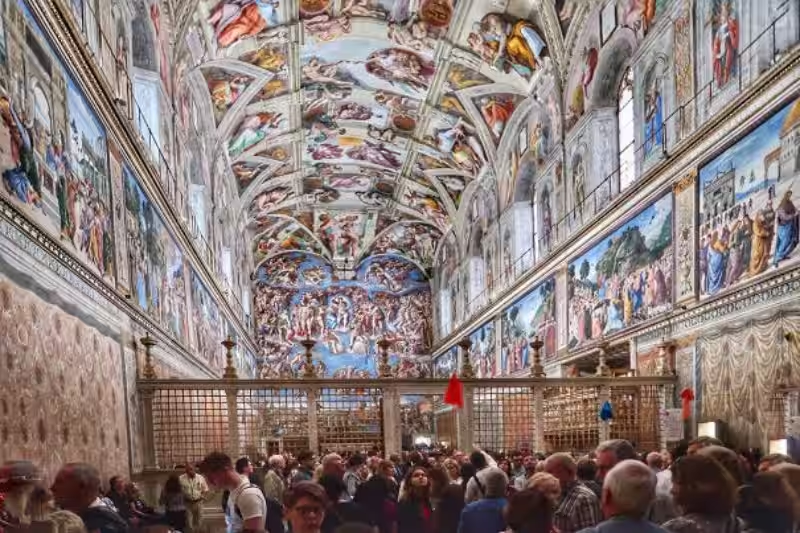
The Sistine Chapel stands as perhaps the most iconic Vatican masterpiece, a testament to the artistic genius of Michelangelo and the enduring narratives of the Old and New Testaments. Stepping into this hallowed space is akin to entering a celestial realm, where biblical stories unfold above you in a symphony of color and form. Michelangelo’s frescoes, particularly the ceiling and the Last Judgment, are not just paintings; they are profound theological statements rendered with breathtaking skill and emotional depth. The sheer scale and ambition of this work are enough to leave any visitor in awe, contemplating the divine power and human drama depicted.
The ceiling, a sprawling panorama of Genesis, depicts scenes from the creation of the world to the story of Noah. Imagine the sheer physical and mental effort required to create such a monumental work, lying on scaffolding for years. The Creation of Adam, with its iconic depiction of God reaching out to touch Adam’s finger, is a powerful symbol of divine spark and human potential. The Last Judgment, covering the altar wall, is a stark and powerful portrayal of salvation and damnation, a vivid reminder of the ultimate accountability of the soul. The Sistine Chapel is more than just a room; it is a profound spiritual experience, a visual sermon etched into the very fabric of the Vatican.
The Vatican Museums: A Treasure Trove of Sacred Art and History
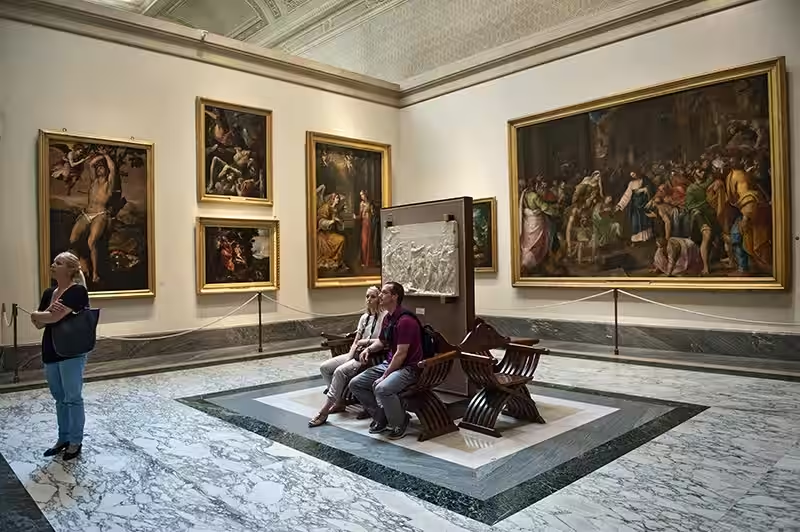
Beyond the Sistine Chapel, the Vatican Museums offer an unparalleled journey through art and history, each section a curated collection that reveals different facets of religious expression and human endeavor. The museums house an astonishing array of artifacts, from ancient Roman sculptures and Egyptian antiquities to Renaissance paintings and Etruscan artifacts. Each exhibit, whether a sarcophagus or a delicate mosaic, contributes to the overarching understanding of human civilization and its relationship with the sacred. The sheer volume of works means that exploring the Vatican masterpiece within the museums is a multi-day undertaking for the truly dedicated.
Within these vast halls, you can encounter masterpieces by Raphael, Leonardo da Vinci, and countless other masters, all commissioned or collected with a religious purpose. The Raphael Rooms, for instance, are adorned with frescoes that depict theological concepts and historical events crucial to the Church’s narrative. The School of Athens, a celebrated fresco in the Stanza della Segnatura, brilliantly illustrates the confluence of classical philosophy and Christian theology, showcasing prominent thinkers from both traditions. This intelligent curation ensures that the Vatican masterpiece is not merely a collection of beautiful objects but a coherent and compelling narrative of faith’s journey through time.
The Enduring Power of Faith and Art: A Relatable Connection
The Vatican masterpiece offers a deeply relatable connection to the human experience, regardless of one’s religious affiliation. At its core, art is about communication, about expressing the inexpressible, and about exploring the fundamental questions of life and death, love and loss, purpose and meaning. The masterpieces housed within the Vatican do this with an intensity and beauty that transcends language and culture. They speak to our innate desire for something greater than ourselves, for understanding, and for beauty.
Consider the universal appeal of a mother holding her child, or the power of a story depicting struggle and triumph. These are themes woven into the very fabric of the religious narratives depicted in the Vatican. Whether it’s the tenderness of a depiction of the Virgin Mary or the drama of a biblical battle, these artistic expressions tap into emotions that are universally understood. This emotional resonance is what makes the Vatican masterpiece so enduringly powerful. It reminds us that even in our diverse world, there are shared human experiences and aspirations that art can help us to explore and celebrate. The Vatican, therefore, becomes not just a destination for the faithful, but a beacon for anyone seeking to understand the profound ways in which humanity has sought to capture the divine and express its deepest truths.
Vatican masterpieces are works of art and architecture of exceptional quality and historical significance housed within Vatican City. These include iconic creations like Michelangelo’s Sistine Chapel ceiling and “The Last Judgment,” Raphael’s Stanze, and the vast collections of the Vatican Museums, such as ancient sculptures and Renaissance paintings.
How does religion influence the Vatican’s collection of masterpieces?
Religion is the fundamental inspiration and subject matter for many of the Vatican’s masterpieces. These works often depict biblical narratives, lives of saints, theological concepts, and elements of Catholic doctrine. They serve as visual expressions of faith, historical accounts of religious events, and tools for spiritual education and devotion for pilgrims and visitors.
Can I see these religious masterpieces in person?
Yes, most of the Vatican’s masterpieces are on public display within the Vatican Museums. Visitors can explore the Sistine Chapel, the Raphael Rooms, the Pinacoteca (Art Gallery), and various other galleries and collections that house these significant religious and artistic treasures.
Are there any specific religious requirements for viewing the Vatican masterpieces?
While there are no specific religious requirements to view the art, visitors are expected to dress modestly out of respect for the sacred nature of the Vatican and its artworks. This generally means covering shoulders and knees. Photography without flash is usually permitted, but always check for specific restrictions within individual galleries.
How are these masterpieces preserved and maintained with religious significance in mind?
The Vatican employs a dedicated team of art conservators and historians who work to preserve these masterpieces. Their work is guided by a deep respect for the religious and historical significance of the artworks, ensuring their longevity and integrity for future generations of believers and art enthusiasts.